
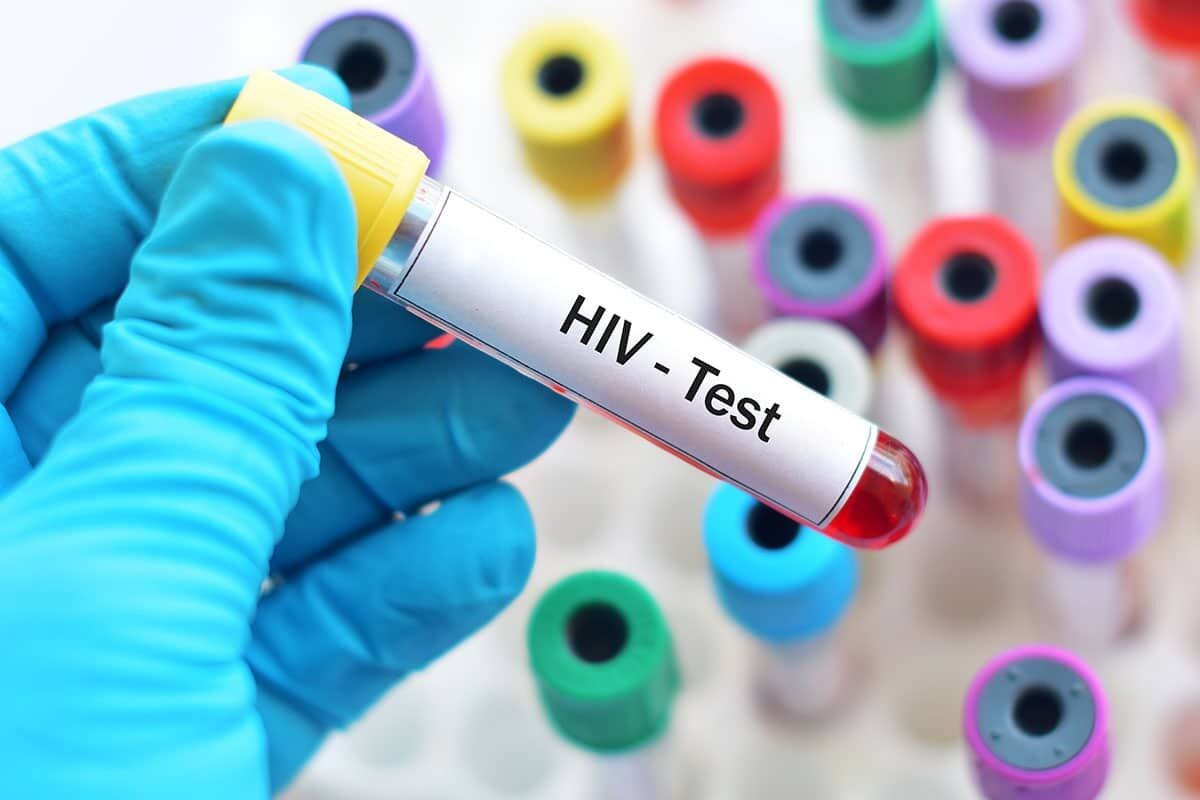
TEHRAN – A national HIV testing campaign organized by the Ministry of Health is being carried out across the country for one month starting November 11th.
The campaign, titled “I Will Get an HIV Test Too,” aims to increase uptake of HIV testing among key populations by increasing testing center capacity, as well as reducing stigma and expanding universal access to HIV education and diagnosis, the Ministry of Health reported.
Human immunodeficiency virus (HIV) is a virus that attacks the body’s immune system. Acquired immunodeficiency syndrome (AIDS) occurs during the most advanced stage of infection.
HIV targets the body’s white blood cells and weakens the immune system. This makes them more susceptible to diseases such as tuberculosis, infections, and some cancers.
According to the latest report, a total of 41,059 people are infected with HIV in the country, of which 25,870 are confirmed and registered. This gap indicates that some infected people have not yet been identified, and there is a need to actively detect HIV in the country, Mehr News Agency reported.
By age group, people aged 20-45 accounted for 73% of diagnosed cases in Iran 1403 (March 2024-March 2025). Those aged 45 and over and those under 20 accounted for 24% and 3%, respectively.
World AIDS Day commemorations will be held on December 1 with the theme “Overcoming confusion, transforming the AIDS response” and call for sustained political leadership, international cooperation and a human rights-centered approach to eradicate AIDS by 2030.
After decades of progress, the HIV response is at a crossroads. Lifesaving services have been disrupted and many communities face increased risk and vulnerability. But amidst these challenges, hope remains in the determination, resilience and innovation of communities working to end AIDS.
According to the World Health Organization (WHO), HIV remains a major global public health problem, claiming an estimated 44.1 million lives to date. Infection is ongoing in all countries around the world.
An estimated 40.8 million people were living with HIV at the end of 2024, 65% of whom live in the WHO African Region.
In 2024, there will be an estimated 630,000 HIV-related deaths and an estimated 1.3 million people will become infected with HIV.
There is no cure for HIV infection. However, the availability of effective HIV prevention, diagnosis, treatment, and care, including for opportunistic infections, has made HIV infection a manageable chronic disease, allowing people living with HIV to live longer and healthier lives.
In 2024, of all people living with HIV, 87 percent were aware of their status, 77 percent were on antiretroviral therapy, and 73 percent had suppressed viral load.
MT/MG