
TEHRAN – The United States is stepping up efforts to pressure Iraq to distance itself from Iran, with which it shares a nearly 1,600-kilometre border, religious ideology and centuries-long history, as Iranians simultaneously seek to curb violations of Iraqi airspace by the United States and Israel.
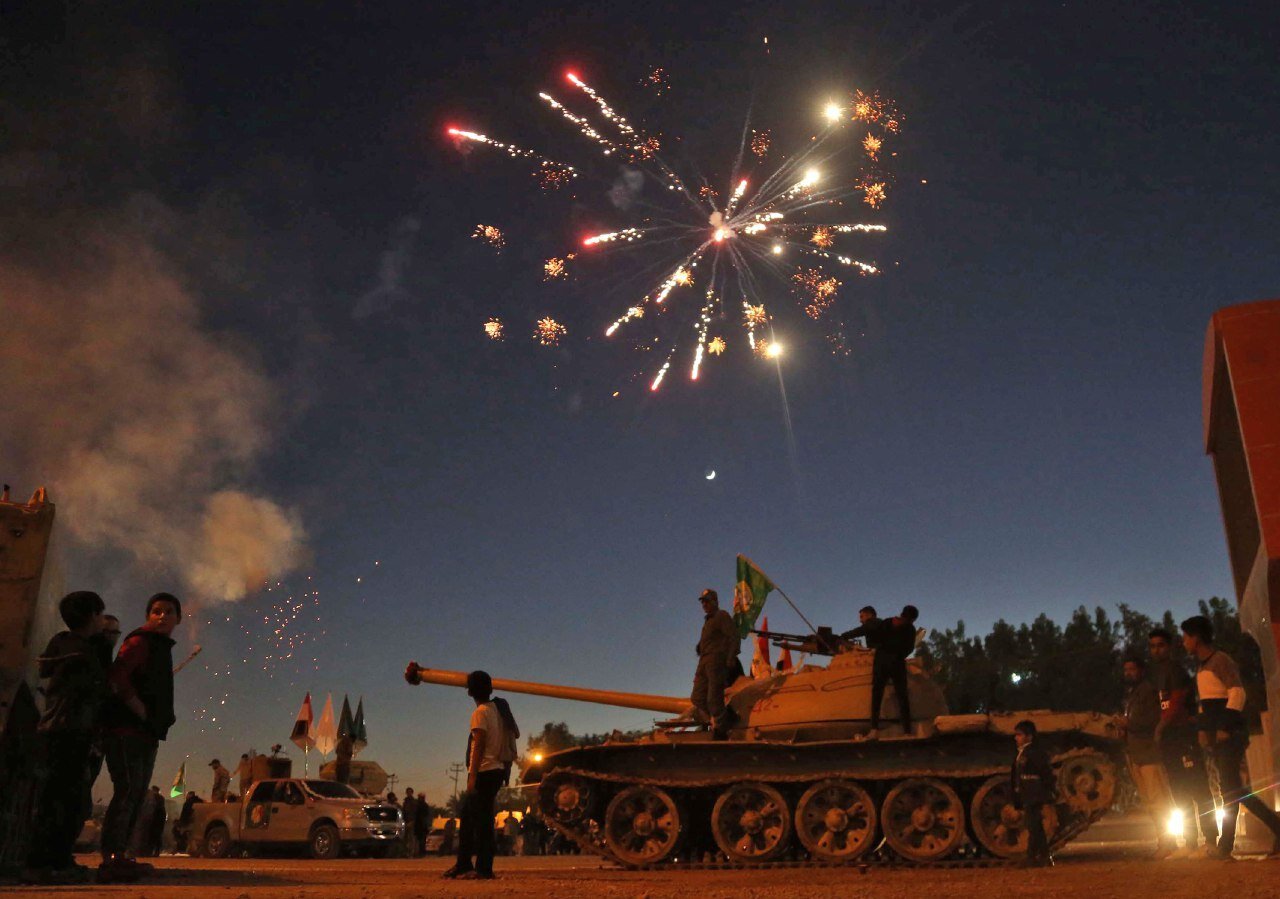
US Secretary of State Marco Rubio said in a phone call with Iraqi Prime Minister Mohammed Shia al-Sudani that Baghdad needs to further decouple from Iran economically and must also move to disarm the Popular Mobilization Units (PMU), a force that considers itself part of the Iranian-allied Axis of Resistance and spearheaded Iraq’s fight against Daesh terrorists in the 2010s.
Earlier this year, the Trump administration announced it would end sanctions waivers that allowed Baghdad to receive electricity from Tehran, which was originally scheduled to last until 2028, in line with its “maximum pressure” policy against Iran. The move exacerbated the country’s long-standing electricity crisis and spurred protests in various cities and villages throughout the summer.
According to the official State Department reading of the call, Mr. Rubio told PMU’s al-Sudani that he would “steal Iraq’s resources for Iran,” but did not explain how or when such an act could occur, given Washington’s complete control of Iraq’s oil money. Notably, US-based media outlets are simultaneously telling Iranians that their funds are being stolen and transferred to Iraq.
The US has already succeeded in forcing the al-Sudani regime to put pressure on PMU forces. This included forcing the Iraqi parliament to withdraw two bills. One would redefine the structure of the PMU, and the other would address military retirement benefits.
According to Mohadeseh Rezai, an expert on Iraq issues, US pressure on Iraq is not just about putting economic and ideological pressure on Iran. Given events in Syria and Washington’s continued pressure on Lebanon’s Hezbollah, this American effort also aims to pave the way for easier Israeli access in the future.
“The United States wants to rewrite the map and geopolitics of West Asia for Israel. This is a fact that both Israelis and Americans have acknowledged many times,” Rezai explained. In Iraq, the main obstacle to the existence of a free Israel is the deterrent local military. One of the most formidable components of the Iraqi military is the PMU. The PMU played a key role in clearing the country of Israeli-backed Daesh terrorists at its peak, when the group sought to establish a homogeneous caliphate in Iraq and Syria.
The US government is also expected to ban Iraq from purchasing Iranian gas in the future, a move that would further destabilize the country and allow the White House to tighten its control over the Iraqi government. “Iraqi’s oil revenues are deposited in accounts at the New York Fed. The Fed then auctions these dollars to international banks and Iraqi banks, which supply them with dinars. This mechanism gives the US Treasury the power to freeze or postpone these transactions. The Iraqi government, facing financial and domestic difficulties, will be more likely to comply with the US government’s demands,” the expert said.
The phone call between Rubio and al-Sudani came at the same time as Iraq’s national security adviser, Qassim al-Araj, was visiting Tehran for talks with senior Iranian security, political and military officials. During these discussions, the Iranian side appeared primarily concerned about reports that the United States and Israel used Iraqi soil during the 12-day war against Iran in June. Al-Araj assured Iranian authorities that Iraq considers Iran’s security “as its own” and will do everything in its power to prevent a similar situation from occurring in the future.
Speaking to reporters on the sidelines of a meeting in the northeastern Iranian city of Mashhad, Iranian Foreign Minister Abbas Alaghushi said his talks with al-Araj were positive and constructive. “The main focus of my conversation with Mr. Al-Araj was security. We discussed ways to better implement the security agreements we had previously signed,” the top diplomat said. “In my opinion, both Iran and Iraq are ready to take further steps. Our friends in Iraq have clearly said that they will not allow Iran’s enemies to use Iraq’s (air) space.”