
TEHRAN – Iran’s nuclear chief and vice president, Mohammad Eslami, said nuclear facilities damaged during US airstrikes will be completely rebuilt, emphasizing that Iran’s scientific and technological foundations are strong and will not be destroyed by foreign invasions.
An interview with Sky News in Vienna, on a bystander at the International Atomic Energy Agency (IAEA) General Assembly, Eslami confirmed that several sites were targeted during the June 22 attack, but insisted that Iran’s nuclear advancements would not be affected.
“It’s very normal for them to suffer damage and destroy infrastructure during a military attack on a facility,” he said. “What’s important is that science, know-how, technology and industry have been deeply rooted in Iran’s history over the years.”
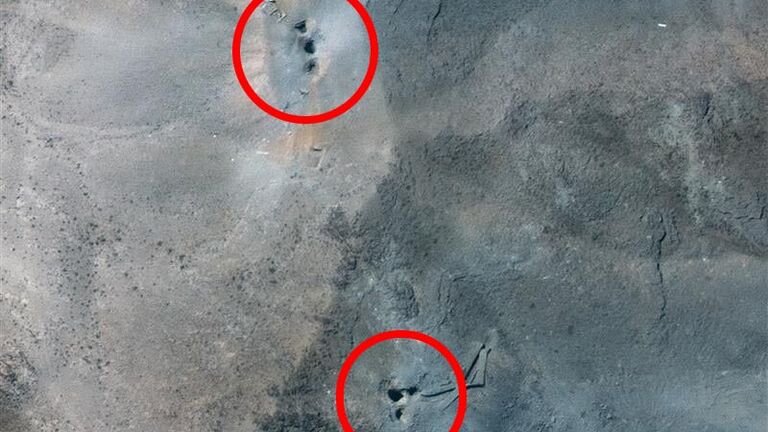
On June 22, the US carried out a massive strike using bombs containing 30,000 pound bunkers against three major Iranian nuclear facilities, Ford, Natanz and Isfahan. The satellite imagery released later showed significant destruction on the ground, but experts acknowledged that the facilities built deep beneath the mountains are difficult to assess for damage.
Shortly after the strike, the Iranian Foreign Minister admitted that “excessively serious damage” had been caused. However, Ayatollah Seyed Ali Khamenei, the leader of the Islamic Revolution, emphasized that the attack would not interfere with the country’s nuclear program.
Reaffirming Iran’s rights to nuclear development, Eslami has rejected Western claims that Tehran’s uranium enrichment is intended for weapons production. He emphasized that higher levels of enrichment serve peaceful needs under sanctions pressure.
“The enrichment rates presented in public opinion and in the media are supported by politicians, adventurers and enemies,” he said. “High enrichment is not necessarily exclusive to weapons. It is necessary for safety systems, sensitive measurement tools, and the processes required to manage nuclear reactors. No one sells these products.
Turning to diplomacy, Eslami confirmed that Iranian officials will meet with European countries this week on the sidelines of the United Nations General Assembly in New York. France, Germany and the UK recently sparked a 30-day process to restore “snapback” sanctions, unless Iran resumed full access to UN inspectors in October before the 2015 nuclear deal expired, and remarried in consultations with Washington.
However, Eslami was in the category of Iran not negotiating directly with the US. “There’s no need to talk to them,” he declared.
“The US government has committed major injustice on the people of Iran, has hit Iran hard since the beginning of the Islamic Revolution and has recently launched a military attack on our country,” he said. “The enemy is the enemy. They carried out military operations while indirect consultations were underway. They came to the negotiation table, abandoned it, and broke their promises. The US government is full of broken promises and no one can trust them.”
Despite increased pressure, Eslami concluded by emphasizing that Iran’s nuclear program will continue on a peaceful and irreversible path. “Our achievements are scientific, industrial and deeply rooted. Military strikes and political pressures cannot take them away.”