
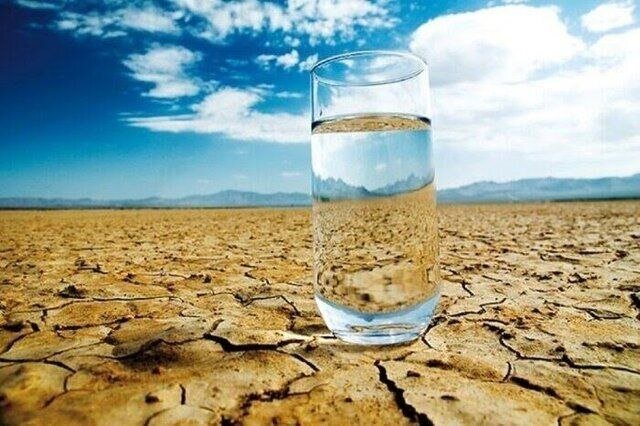
TEHRAN – From September 23, the start of the current water year, to December 5, the country recorded a total of 4.7 mm of rainfall, representing an 88.4 percent decrease from the long-term rainfall of 40.2 mm, according to the meteorological agency.
According to the data, the rainfall recorded from November 22 to December 5 was 0.8 mm, which is 94.1% less than the long-term record of 13.2 mm, ISNA reported.
From November 29 to December 5, the country received 0.7 mm of rainfall, an 87.5 percent decrease compared to the long-term recorded rainfall of 6 mm.
Precipitation was below normal in all states. Bushehr province recorded the lowest rainfall, with rainfall 100% less than normal. Rainfall in 21 other states decreased by 91 percent.
Tehran province is also one of the provinces where rainfall has decreased significantly. Tehran’s long-term average precipitation is 55.9 mm, but in this water year it has only averaged 2.2 mm. This represents a 96% reduction.
The country is facing the most severe and unprecedented drought in its history. However, precipitation is expected to increase after December 7th. Precipitation in the first two months of winter is expected to be normal and higher than last year.
Meteorological agency chief Ahad Wazifeh said the flooding would continue despite normal winter rainfall expected.
Rainfall in Iran over the past year (March 2023 to March 2024) was 50 to 75 percent below normal in the southern part of the country.
For the past five years, the country has experienced consecutive droughts. The previous water year (September 22, 2024-September 22, 2025) was one of the exceptional drought years for Iran, as autumn, winter, and spring precipitation decreased significantly. Bazife said September ended with 142.3 mm of rainfall, a 39.4 percent decrease compared to the long-term rainfall of 234.9 mm.
During the last month of summer, 4.1 mm of rainfall was recorded across the country, which was a 2.5% decrease compared to the long-term rainfall of 4.2 mm.
Rainfall recorded throughout the summer was 8 mm, representing a decrease of 27.9 percent compared to the long-term rainfall of 11.1 mm.
According to official statistics, groundwater levels and dam storage have fallen significantly, making densely populated areas more water-stressed than ever before, threatening water security, increasing the potential for land subsidence, and intensifying droughts.
Iran is facing an unprecedented water crisis, threatening not only its agricultural sector but also regional stability and global food markets.
MT/MG