
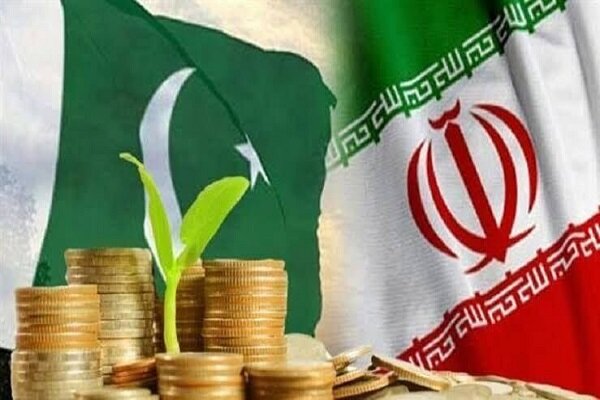
As regional ties become increasingly important for economic growth and diplomacy, direct flights between Iran and Pakistan can enhance contact with people from people, reduce physical costs, and strengthen trade, especially among undeveloped border regions.
Iran’s Ambassador to Pakistan Reza Reza Amiri Moghadam emphasized that the lack of direct flights between Tehran and Islamabad is a major barrier to expanding commercial and civic relations. He argued that establishing a direct route between Tehran-Islamabad and Zahedan Ketta would not only promote travel, but also reduce costs, save time and remove the reliance on halting third country.
Pakistan’s Deputy Minister of Defense Aviation, Deputy Minister Muhammad Ali, welcomed the proposal and expressed his preparedness to strengthen aviation ties with Iran. He noted that beyond the capital, cities such as Multan, Sialkot and Peshawar in Pakistan could establish direct air links with various Iranian cities, further expanding economic and cultural exchanges.
Iran and Pakistan are actively working to strengthen bilateral trade and economic ties through high-level discussions focusing on logistics, transportation and access to mutual markets.
The establishment of direct flights between major cities such as Tehran, Islamabad, Zahedan and Quetta is a central part of the consultation aimed at reducing travel costs, increasing human-to-person connections and eliminating reliance on the third country transit route.
The initiative is part of a broader push to reinvigorate the ties on both sides by Tehran and Islamabad amid changing regional dynamics. The two countries share a long land and cultural affinity, while logistical and bureaucratic hurdles slow economic integration. Expanding direct connections could pave the way for strengthening cooperation in transport, energy and regional trade corridors under initiatives such as economic cooperation organizations.
RHM/Elampless