
Tehran – The reinstatement of pre-JCPOA UN sanctions against Iran creates a complex and delicate balancing act for China.
As one of Iran’s important diplomatic and economic partners, the Chinese government has recognized Iran’s geopolitical importance and vast energy resources and sought to overcome these limitations with a pragmatic approach, while complying with UN mandates. China’s strategy has been to maintain relations with Iran without directly violating UN norms and laws.
China considers itself responsible for safeguarding international order and security. Farshad Adel, executive director of the Iran-China Institute for Strategic Studies, said that when China engages in confrontational dialogue with the West, it approaches these discussions from its own perspective.
“They are telling the West that they have lost faith in international institutions and that they have become powerless. … Mr. West, you have weakened international institutions,” he explained.
China’s role is to strengthen the powers of international organizations and define processes within their frameworks, Adel added. This is one of the core elements of China’s global governance initiative, introduced on September 1. ”
This careful diplomacy has often meant that Beijing has resorted to creative solutions, such as structuring deals through third countries, using off-the-books financial mechanisms, or engaging in non-dollar trade.
One of the key tactics China has adopted to reduce the impact of sanctions is the use of alternative financial systems. By engaging in local currency trade and barter, China has been able to maintain commercial ties with Iran while circumventing traditional international financial networks that are off-limits to Tehran.
Restrictions on Iran’s access to the Western financial system mean China faces additional costs and complexities in doing business. China is also wary of secondary sanctions from the United States and other Western countries, which poses significant risks, especially if the Chinese government deepens its involvement in sensitive areas such as the military and defense.
However, if sanctions against Iran are reduced or lifted, several areas could benefit from increased cooperation between China and Iran. Cooperation could expand under the Belt and Road Initiative (BRI), with China potentially increasing its involvement in Iran’s infrastructure development, especially in areas such as railways, ports, logistics hubs, and the oil and gas industry.
Beijing understands that any significant military engagement with Iran could trigger serious repercussions from the West, and has favored diplomatic solutions and non-confrontation strategies over direct military cooperation and assistance. China is refraining from actions that could violate UN norms or increase tensions with key economic and security partners such as the United States and the European Union.
However, on the diplomatic front, China has been one of Iran’s most consistent supporters, especially in international forums such as the United Nations Security Council. This support is rooted in a desire to preserve Iran’s sovereignty and balance Iran’s own strategic objectives.
China is also cautious about its broader diplomatic and economic interests, especially major regional actors such as Saudi Arabia and the United Arab Emirates. Therefore, while China supports Iran’s peaceful nuclear program and right to self-defense, it carefully avoids actions that could increase tensions with other partners in the region.
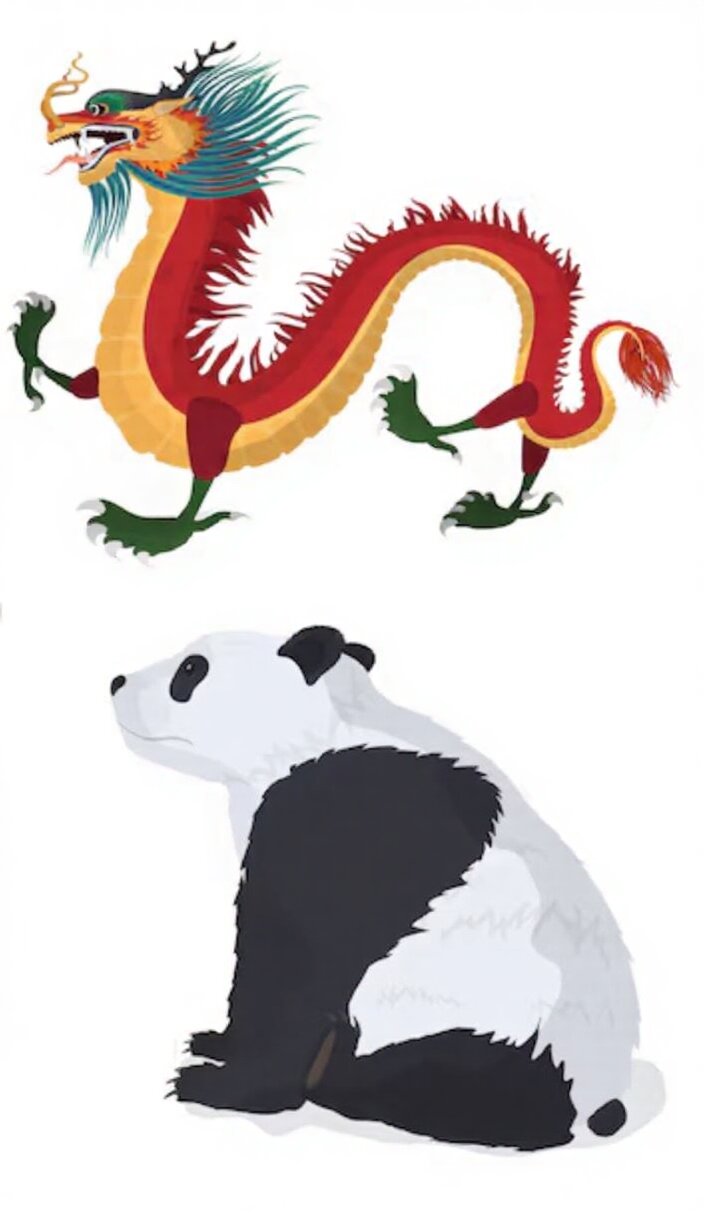
“China is actively working on projecting a new image and brand for its country. This is why Americans often associate China with the dragon symbol, but the Chinese prefer to express themselves with the panda symbol. They aim to project a softer, more endearing image,” Adel said.
China’s relationships with the United States and Persian Gulf states are important factors affecting security cooperation with Iran. While Beijing values its partnership with Tehran, it is acutely aware of the need to maintain stable relations with Washington and other major West Asian powers. The country has adopted a cautious diplomatic stance, supporting Iran in the international arena while avoiding direct military or security involvement that could damage relations with the United States and its allies in the Persian Gulf.
In this regard, China’s position is one of balancing competing interests: supporting Iran’s sovereignty and security needs while safeguarding Iran’s broader geopolitical and economic objectives. Given ongoing sanctions and the possibility of further international pressure, China is unlikely to significantly expand defense and security cooperation with Iran. Any move in this direction could provoke a strong reaction from the United States and its allies, resulting in increased pressure on China.
However, China will likely continue to engage in limited security cooperation with Iran, including information sharing, counterterrorism efforts, and unclassified weapons sales. This is because these actions carry less risk of provoking a violent backlash from the West. Continuing sanctions are likely to continue to prohibit cooperation in more sensitive areas such as advanced defense technology.
Going forward, as global power relations change and the world moves toward a more multipolar order, China is likely to adopt a more proactive and flexible approach toward West Asia. China’s position as a neutral mediator in regional conflicts could strengthen its role as a major player in Middle East geopolitics.