
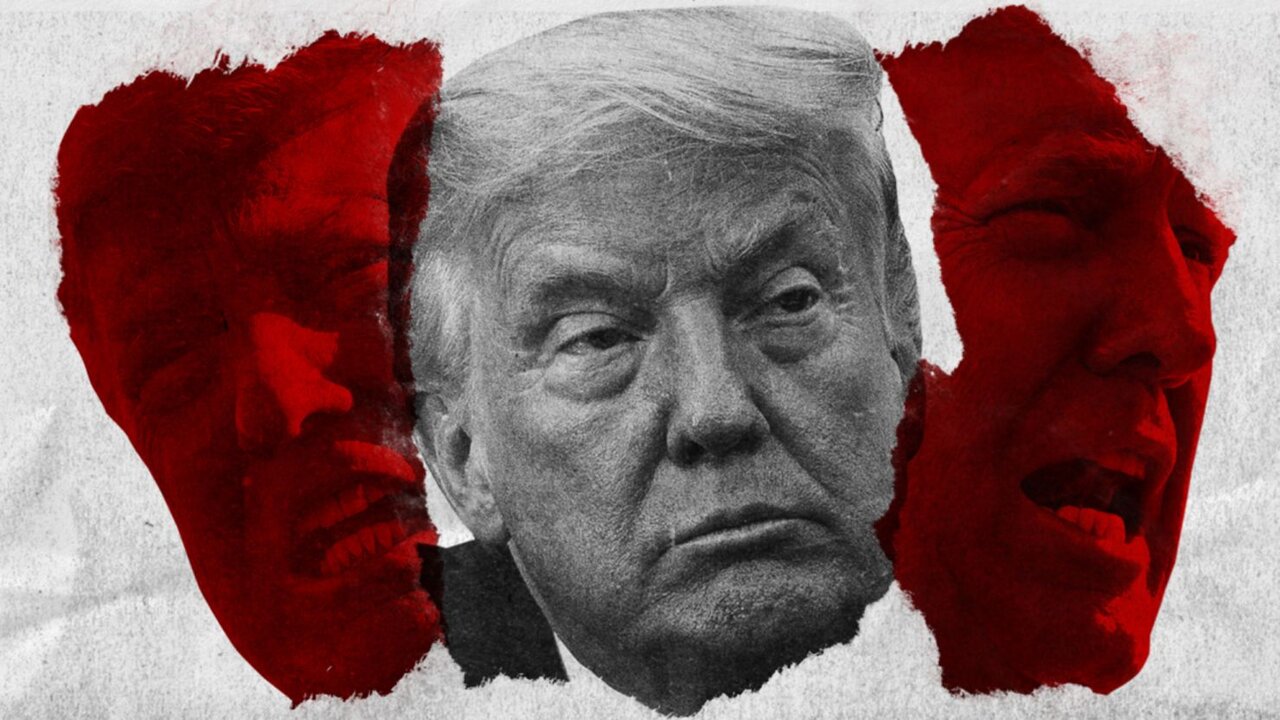
At the 80th UN General Assembly on September 23, 2025, US President Donald Trump gave a speech urging an immediate halt of hostilities in Gaza, labeling the ongoing conflict as a “humanitarian catastrophe.” This public call for peace is in stark contrast to the actions of the United Nations Security Council, where it exercises its veto power to block multiple resolutions advocating for a ceasefire in Gaza. This obvious contradiction raises questions about the underlying motivations and implications of Trump’s statement and the US policy regarding the Gaza conflict.
United Nations Security Council rejects the US
Despite Trump’s public appeal for the immediate end of the Gaza conflict, the US has rejected several UN Security Council resolutions aimed at establishing a ceasefire.
On September 18, 2025, the United States rejected a critical UN Security Council (UNSC) resolution calling for a ceasefire in Gaza as Israel spread its burnt-down Earth attack in Gaza. The resolution, approved by 14 of the Council’s 15 members, called for the lifting of “an immediate, unconditional, permanent ceasefire in Gaza, respected by all parties,” and restrictions on humanitarian assistance to Gaza.

The resolution, drafted by 10 elected members of the council, went further than previous iterations to highlight what diplomats called Gaza’s “devastating” humanitarian situation after nearly two years of war in the Gaza Strip that killed at least 65,141 people, according to Palestinian health authorities.
As expected, the US has rejected this effort in favor of the Israeli regime. “The US opposition to this resolution would not be surprising,” said Morgan Ortags, the deputy US envoy of the Middle East.
After the vote, Riyadh Mansour, Palestinian ambassador to the United Nations, said the US veto was “deeply regretful” and “prevented the Security Council from playing a legitimate role in the face of these atrocities.
Trump’s inaction in Israel’s attacks
In addition to the contradictions between his UN speech and the US veto, Trump remains particularly passive regarding Israeli ground operations in Gaza. Despite the escalating humanitarian crisis and widespread international condemnation, the US president has not put any meaningful pressure on Israel to stop the attack.
The suit effectively demonstrates implicit recognition or at least prioritizing strategic alliances against humanitarian concerns. While publicly advocating for a ceasefire, the Trump administration has not taken any concrete steps to limit Israeli military operations, emphasizing a sustained duality: humanitarian rhetoric on one side and substantial alignment with the other key allies.
This dual approach highlights the broader theme of the US foreign policy paradox. A statement aimed at softening international opinions and projecting moral leadership is to coexist with actions or omissions that maintain strategic and political interests. As a result, there are significant contradictions that raise important questions about the reliability and consistency of American diplomacy.
Analysis of Trump’s speech

President Donald Trump told the UN General Assembly (UNGA 80) that the war in Gaza must stop soon.
“We must stop the war in Gaza soon,” Trump told New York world leaders on Tuesday, claiming he was “deeply involved” in trying to secure a ceasefire.
In his UNGA speech, Trump presented an ostensibly urgent call to end the war in Gaza quickly. He emphasized the need to secure the release of the remaining prisoners, and portrayed the United States as deeply involved in humanitarian and diplomatic efforts. At first glance, his words paint pictures of politicians who advocate peace and negotiation. He also criticized certain Western countries for recognizing the Palestinian state and framing it as Hamas’ “reward.” This rhetoric is directly at odds with the stance of UN Secretary-General Antonio Guterres, who affirmed that the Palestinian state was a right, not a reward.
But Trump’s speech is surprisingly light to criticism from Israel, which has been running a deadly military campaign in Gaza since October 2023. While highlighting the release of prisoners and the pursuit of peace, he does not suggest pressure Israel to halt operations or end the war. This selective framing helps position the United States as a neutral mediator while avoiding conflict with Israel and effectively protecting the administration from international condemnation.
Trump’s public declaration at UNGA is a sharp contrast to Washington’s diplomatic record. While rhetorically defending peace, the United States actively prevented concrete measures that could lead to a ceasefire. This difference highlights the gap between American statements and policy action, reflecting a broader pattern, while predicting commitments to diplomacy and maintaining strategic support on the ground.
Essentially, Trump’s UNGA speech is largely symbolic. It highlights humanitarian concerns and moral authority, but reflects a persistent US policy of carefully avoiding challenges to Israel and using rhetoric to signal concerns, but veto ensures that meaningful international intervention remains stagnant. The contradiction between words and actions highlights the limitations of American diplomacy in resolving the Gaza conflict, revealing the calculated balance between engaging in peace efforts and maintaining Israeli attitudes.
Meaning and conclusion
The contradiction between an immediate ceasefire and Trump’s public appeal for a US veto on the Security Council underscores the complexities of international diplomacy and the challenge of aligning official statements with policy action. While Trump’s speech may have been intended to sort out global concerns and project an image of humanitarian concerns, the continued US support for Israeli actions in Gaza reveals the prioritization of strategic alliances against humanitarian considerations.
By Mohaddeseh Pakravan