
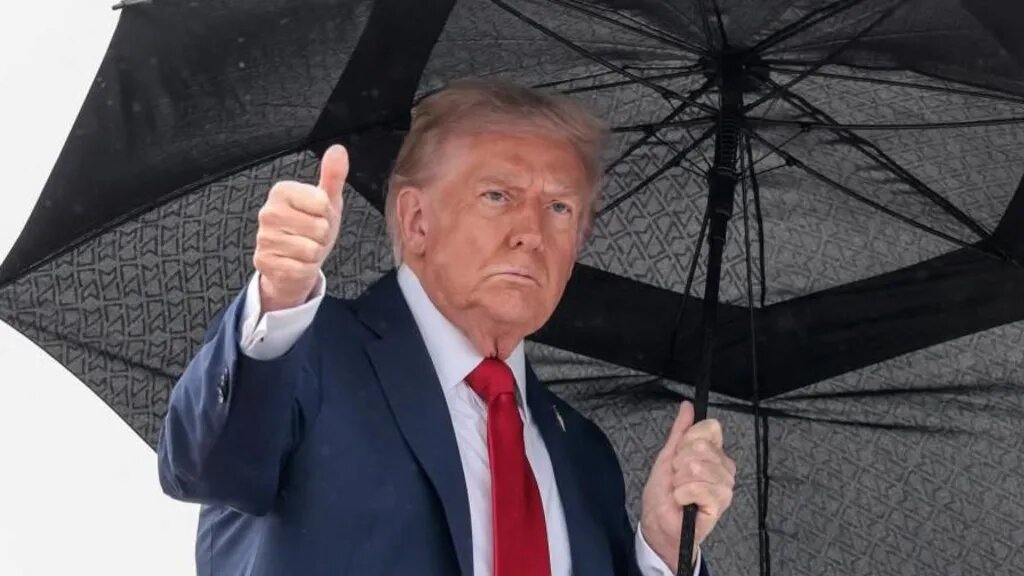
“All trade negotiations with Canada now end,” President Trump said in a post on his social media platforms late on Oct. 23.
President Trump claimed that the ad, which featured former President Ronald Reagan speaking negatively about tariffs, was an attempt to block a pending U.S. Supreme Court ruling on the legality of the tariffs.
Canada was the first country to be targeted by tariffs after Trump returned to office. A 35% tariff applies to U.S. imports from Canada, with additional duties on imported cars, auto parts, steel, and aluminum.
In fact, imports from Canada are taxed at the lowest rates among the United States’ major trading partners, as much of the trade is exempt from tariffs under the terms of the U.S.-Mexico-Canada Free Trade Agreement. Energy products will also be exempt from President Trump’s tariffs.
Earlier this month, the Canadian government said after a meeting between President Trump and Canadian Prime Minister Mark Carney that it wanted to quickly conclude trade deals on steel, aluminum and energy.
The U.S. Supreme Court has scheduled a hearing for Nov. 5 to consider a lower court’s ruling on whether President Trump overstepped his authority when he imposed emergency tariffs on most imports into the United States.
MNA/