
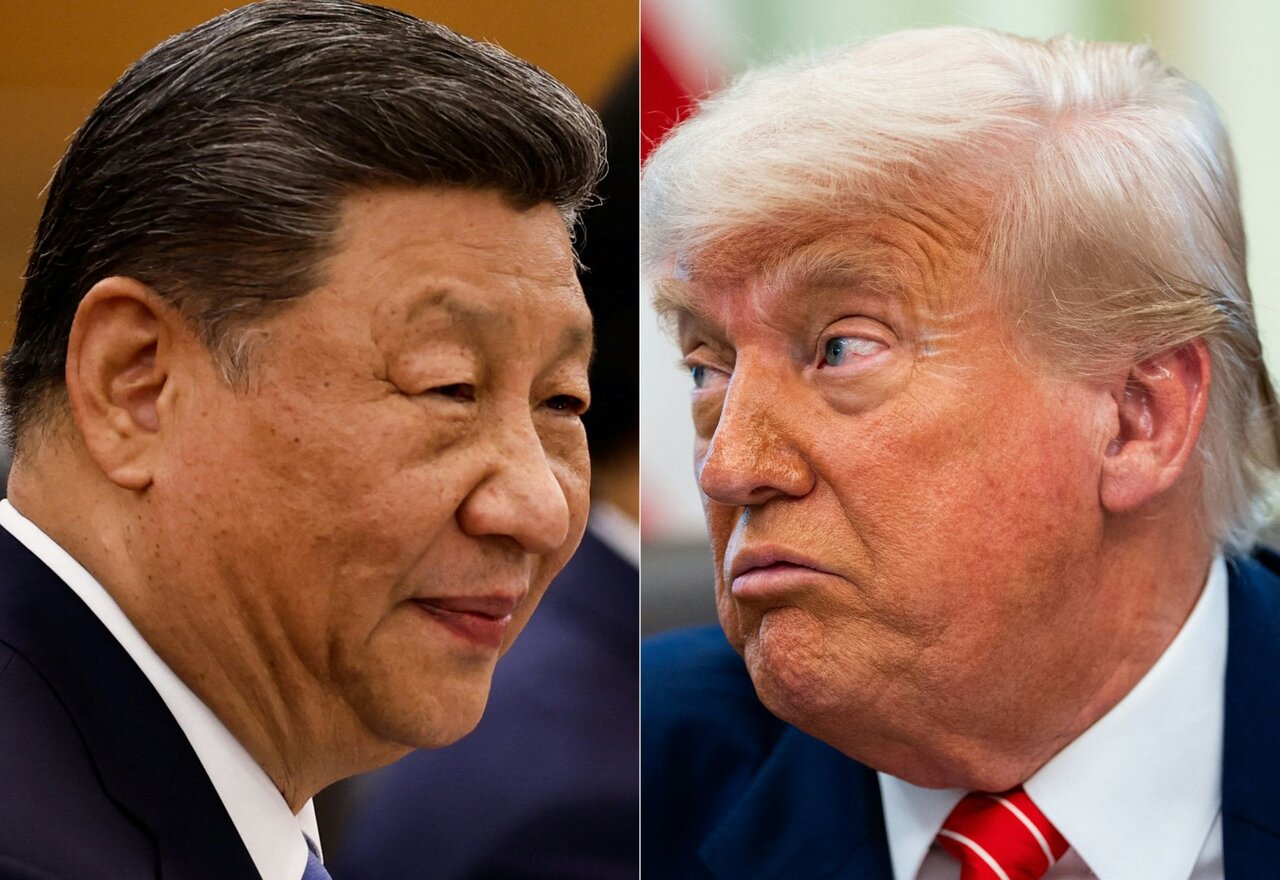
Chinese President Xi Jinping used his phone conversation with President Donald Trump on Monday night to position Taiwan’s unification as an untouchable pillar of the post-World War II solution, sharply reminding the US president that while the two countries once fought “shoulder to shoulder” against Japanese militarism, they should now jointly protect the outcome of the war.
The carefully worded history lesson detailed in the Xinhua News Agency’s readout was Beijing’s clearest signal yet that last month’s seemingly amicable Busan summit did not appease China’s core demands.
Xi urged both sides to “lengthen the list of cooperation and shorten the list of issues,” while advocating “equality, respect and mutual benefit.” This language implicitly criticizes ongoing US technology sanctions, arms sales to Taipei, and the expansion of the grid of the Indo-Pacific alliance.
According to a Chinese statement, Trump called Xi a “great leader,” said the meeting in Busan was “very enjoyable,” and said Washington “understands the importance of the Taiwan issue to China.”
What is clearly missing is a reaffirmation of the “one China” policy and recognition that U.S. actions on Taiwan (multibillion-dollar new arms packages and frequent congressional delegations) directly contradict that understanding.
The leaders briefly discussed Ukraine, with Xi reiterating his support for a “just, durable and binding” peace agreement, a term that U.S. officials privately reject as being in line with Russia’s extremist objectives.
The call embodies a repeated Trump-era pattern of effusive personal praise set against a Washington establishment that remains deeply wary of Beijing.
Although Mr. Xi seeks to secure Busan’s fragile interests and advocates “equality and reciprocity,” U.S. bipartisan policy continues to view China as a major long-term challenge.