
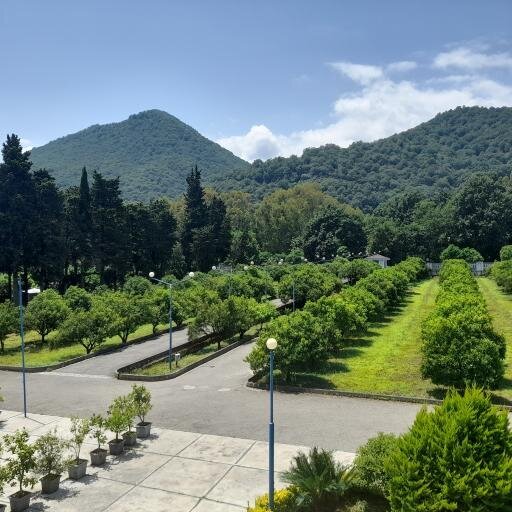
Tehran – Ramsal Research Gardens in Mazandaran were listed as No. 1121 on the National Heritage List on July 9, the state’s head of cultural heritage said.
Hassan Izadi also said that from now on, Ramsar Historical Gardens will be under the supervision of the Ministry of Cultural Heritage, Tourism and Crafts. He added that interference or conduct that leads to the destruction or alteration of the originality of the work is considered a crime and that the perpetrator will be subject to legal punishment, Isna wrote.
He noted that 780 historic monuments from the state are currently listed on the National Heritage List.
Ramsar Research Garden is located on Martyr Nourbakhsh Street. This garden is the green lungs of the city and is a sign of coexistence between science and nature. It will reflect all visitors in the wonders of the plant world. The garden is a precious treasure in northern Iran and is a symbol of an attempt to maintain and expand Iran’s natural resources.
Ramsar Research Garden is not only a botanical garden, but also a lively and dynamic complex of history, science and nature.
The garden is one of the key agricultural research and plant centres in northern Iran and plays an important role in the recognition and development of plant species in the region and the introduction of news species.
The garden dates back to the Pahlavi period in 1931 and 1931, when it was founded with the aim of studying and expanding the cultivation of tea and citrus fruits. Originally, it was a place where various types of tea and citrus fruits were tested and adapted to the climatic conditions of the region. Gradually, it transformed into a rich complex in terms of plant species.
Today, the garden is operated under the supervision of the National Tea Research Center. It is considered a living gene bank for many plants, especially tea and citrus fruits.
Ramsar Research Garden is an example of combining science with beauty.
Paved roads guide visitors through various parts of the garden. Tall, mature trees offer a pleasant shade, and benches are placed at various points in the garden for natural relaxation and contemplation.
The architecture of some of the old buildings in the garden dates back to their founding times.
Today, Ramsar Research Garden has a unique variety of plants. The most important parts include a collection of teas that contain a variety of teas, including black, green and white tea.
These plants have been studied and tested here to identify the best variety for cultivation in northern climatic conditions.
Seeing Tea Bush at different stages of growth is a unique experience.
The citrus collection is an extensive complex that includes a variety of oranges, tangerines, lemons, grapefruits and other citrus fruits, and is planted here for adaptation and development, not indigenous people in the area. The delightful scent of spring citrus flowers creates a dreamy atmosphere.
Herbal plants sections are plants with medical properties and special scents.
Ornaments and native plants are another part of Ramsar’s research garden. This includes beautiful and eye-catching ornaments alongside plants in northern Iran that play an important role in enhancing the beauty and richness of the garden, and plays an important role in maintaining the local genetic resources.
Tropical and subtropical plants are also found, and due to the unique climate and high humidity of Ramsar, tropical species are also grown in this garden, indicating the centre’s ability to adapt to a variety of plants.
Walking along the garden paths offers a relaxing and educational experience. The smell of moist soil creates a pleasant, soulful atmosphere with the aroma of tea leaves and citrus flowers, cool Northern Breeze and bird sounds. The silence and tranquility that spreads through the garden makes it an ideal place to escape the fuss of everyday life and immerse yourself in the natural world. Every corner of the garden tells the story of plant species, allowing visitors to reflect on the wonders of the plant world. The garden is not only a living lab for researchers and agricultural students, but also an attractive destination for nature lovers and tourists.
As an active research centre, Ramser Research Garden plays an important role in the development of sustainable agriculture and conservation of rare and endangered plant species.
KD