
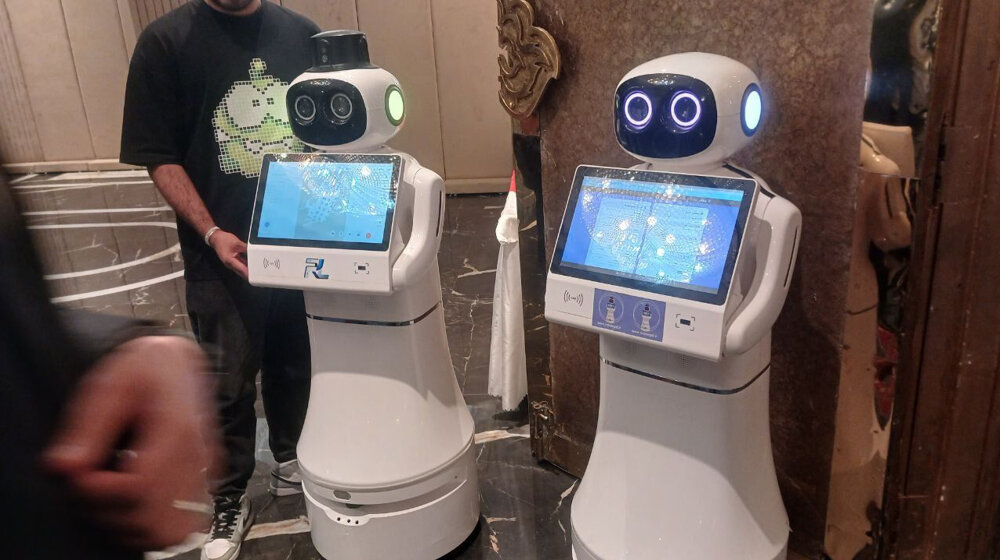
This new technology is designed to help people get legal advice easily and quickly, making it easier for everyone to access justice.
The system is user-friendly and allows individuals with various levels of legal knowledge to interact via speech and text.
People can ask legal questions by typing and speaking robots, and answers can be based on a large collection of Iranian legal cases. This means that more people will receive reliable legal assistance without having to pay large amounts or wait for a lawyer for a long time.
This innovation occurs when the Iranian technology world is growing rapidly. Many well-educated young people have started new companies and created digital services in areas such as online shopping, banking and more.
Robolegal shows how artificial intelligence can solve real problems and help millions of people in everyday life. Using AI in the judicial system is a wise move to make services faster, clearer and easier to use.
The Iranian government has worked hard to digitalize public services in areas such as education, health, agriculture and management. Thanks to these efforts, new ideas like Robolegal can grow and reach more people.
Robolegal isn’t just about legal questions. They can also help judges and lawyers by handling simple tasks, accelerating litigation and reducing costs. This means you can resolve the problem faster. This is good news for businesses and the economy as it reduces delays and uncertainties regarding legal issues.
What makes Robolegal special is that it is designed to meet the needs of the country. Instead of using foreign technologies that may not fully understand Iranian laws and culture, robots are built using local knowledge. This makes it very accurate and convenient for Iranian people.
AI like Robolegal shows how technology can help improve public services as a whole. By dealing with everyday tasks, you free people to focus on more important tasks. It also helps to make the legal process more open and fair and build trust between people and the judicial system.
Iranian high-tech companies, particularly small and medium-sized businesses, are growing in areas such as mobile apps, digital platforms, hardware and internet services. These companies know what local users need and create products that fit Iranian culture well.
Robourgal is a sign that Iran is at the heart of West Asia’s innovation. Despite the challenges, the country’s technology sector is thriving thanks to its clear focus on talented people, excellent education and using technology to improve society and economy.
Making Robolegal easier to use means that legal assistance will be available to more people, including those who could not afford it before or who live far from a big city. This will help create a fair legal system where everyone has the opportunity to receive advice.
The role of artificial intelligence in Iran’s public sector is expected to grow rapidly beyond legal services. The ability of AI to analyze large datasets, identify patterns, and automate management capabilities can revolutionize many government operations.
Iran’s growing digital ecosystem benefits from a vibrant startup culture characterized by agility and innovation.
Software development, communications and digital platform companies are continuously creating new products that meet domestic demand and regional market opportunities.
The government currently provides 201 general public services and 734 professional services electronically, covering areas such as judiciary, agriculture, education, healthcare and culture.
Iranian Information and Communications Technology (ICT) companies continue to innovate through software, hardware, digital platforms, network services, mobile applications and artificial intelligence.
Many small and medium-sized businesses (small and medium-sized businesses) focus on producing locally customized digital products. Notable examples include Skyroom, E-commerce’s DigiCala, Mobile App Cafe Bazaar, Digital Health, Fintech, Smart Insurance Technology, and many companies in Smart City Solutions. However, most innovative companies in the ICT sector remain startups and small businesses.
MNA