
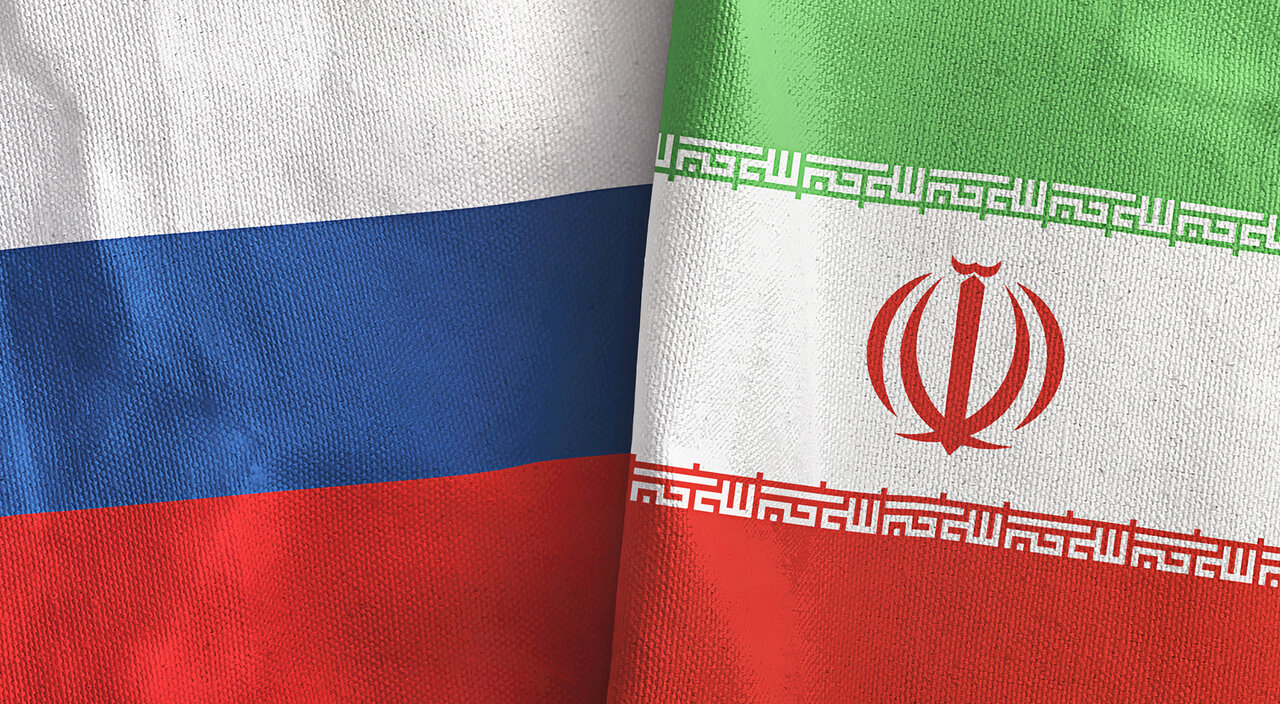
Tehran – Former Iranian ambassador to Russia believes Moscow could play a more positive and constructive role in recent regional development, particularly in efforts to prevent escalation and promote diplomatic resolution.
Former Iranian Russian ambassador Nematra Izadi spoke to the Tehran Times about his advisory to the leader of the Islamic Revolution’s travel leaders. In this situation, Larijani’s visit can be seen as political and legal consultations aimed at countering recent European movements.
Naturally, Russia is one of the JCPOA members and a permanent member of the Security Council, and can play an important role in this regard. Perhaps Iran has called on Russia to act more aggressively against European efforts to activate snapback mechanisms and play an effective role in examining the legal and political aspects of the issue.
He continued. Furthermore, Iran, China and Russia were to hold talks in Tehran. This can be seen as part of an ongoing effort to maintain the JCPOA framework and neutralize European action.
Izadi stressed: But whether these meetings and diplomatic movements lead to breakthroughs in the current situation depends heavily on Russia’s will and capabilities. Russia is likely to affect the issue, but it is engaged in the Ukrainian War and has tense ties with Europe. In particular, we consider recent sanctions on
This retired diplomat says, in my opinion, Russia has missed out on the opportunity for recent developments. For example, if Russia tried to stop combat and prevent further destruction during the recent 12-day war, it could have strengthened its position in the region. However, this time, no such movement was seen from Moscow.
He added: The reason for this inactivity appears to be a combination of Russia’s involvement in Ukraine and specific considerations regarding the US. In fact, Russia expects the United States to support Moscow’s stance on Europe, and these considerations create a kind of passivity. Furthermore, Moscow’s relations with Israel are at a certain level. The majority of Russian speakers living in Israel have been influenced by President Putin’s recent remarks about his cultural ties with the country.
Izadi believes that these considerations have led Russia to adopt a passive attitude at this stage. If Russia chooses to continue under current conditions, it is rarely expected from there. However, if you want to be active, you have the ability to affect both the Security Council and the JCPOA.
The former Iranian ambassador to Russia added: In my view, talks between Iran and Russia, China, and even Europe are a positive step. But how prepared each of these international actors is is to seek solutions to stop the current dangerous trends. Naturally, in such circumstances, Iran should be able to convince the other side to eliminate the crisis at least temporarily.
Analysts say that Russia is not in a position to make certain Iranian demands as Russia is also a member of the JCPOA regarding the possibility that Russia may seek concessions from Iran in exchange for a more active role, and that Iran’s enrichment activities are defined and accepted within this contract. Therefore, we cannot ask Iran to stop enrichment unless Russia, acting as a US mediator, has reached the understanding that it wants to introduce into negotiations.
Izadi concluded: Iran should increase its efforts. This appears to have been strengthened in recent weeks, including strengthening relations with Europe and attempting to revitalize China, which acted indifferently to recent developments. If the Tehran Conference is held and Russia and China succeed in opposing the hard-line position of Europe, it will likely present an opportunity for Iran to open new paths for diplomatic interaction.
Zahra Torabi