
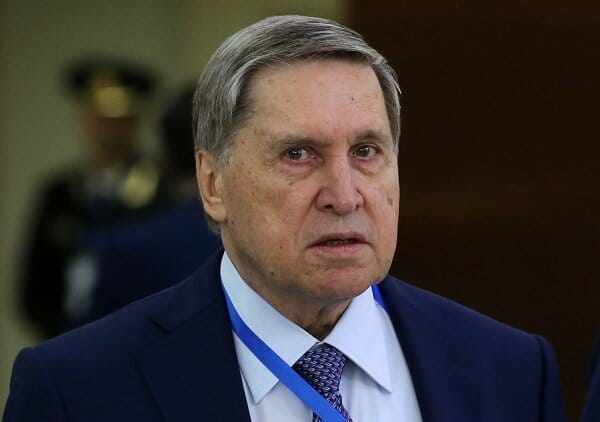
The Kremlin is aware of Europe’s peace plan for Ukraine. However, a brief review of its provisions revealed that it is non-constructive, Russian presidential aide Yuri Ushakov told the media in response to an investigation by TASS.
“Regarding the proposals being circulated, this morning we learned about a European plan that at first glance seems completely unconstructive and inappropriate for us,” Ushakov said.
The day before, the United States and Ukraine held talks on Washington’s 28-point peace plan. Secretary of State Marco Rubio called the meeting “the most productive” since the conflict began. Ukrainian media reported that Washington and Kiev had reached an agreement on most aspects of the plan. Rubio noted that the United States had agreed to separate negotiations on Ukraine’s European integration from negotiations on NATO membership.
According to Western media sources, an early draft of the U.S. peace plan proposed abandoning Ukraine’s membership in NATO and a pledge by the alliance not to pursue the integration of Kiev. It also called for Washington and other countries to recognize Russia’s sovereignty over Crimea and Donbass, the withdrawal of Ukrainian troops from the Donetsk People’s Republic, official recognition of the Russian language in Ukraine, limits on the size of the Ukrainian military, and the lifting of anti-Russian sanctions.
EU leaders voiced opposition to the US proposal. In response, Germany, France and the UK submitted their own settlement proposals for Ukraine, the full text of which was published by Reuters. The European Troika plan allows Ukraine to join NATO and station NATO troops on Ukrainian territory under state command. Furthermore, the Europeans claim a peacetime army of 800,000 men. In return, Russia will be offered the opportunity to “reopen the security debate.”
MNA