
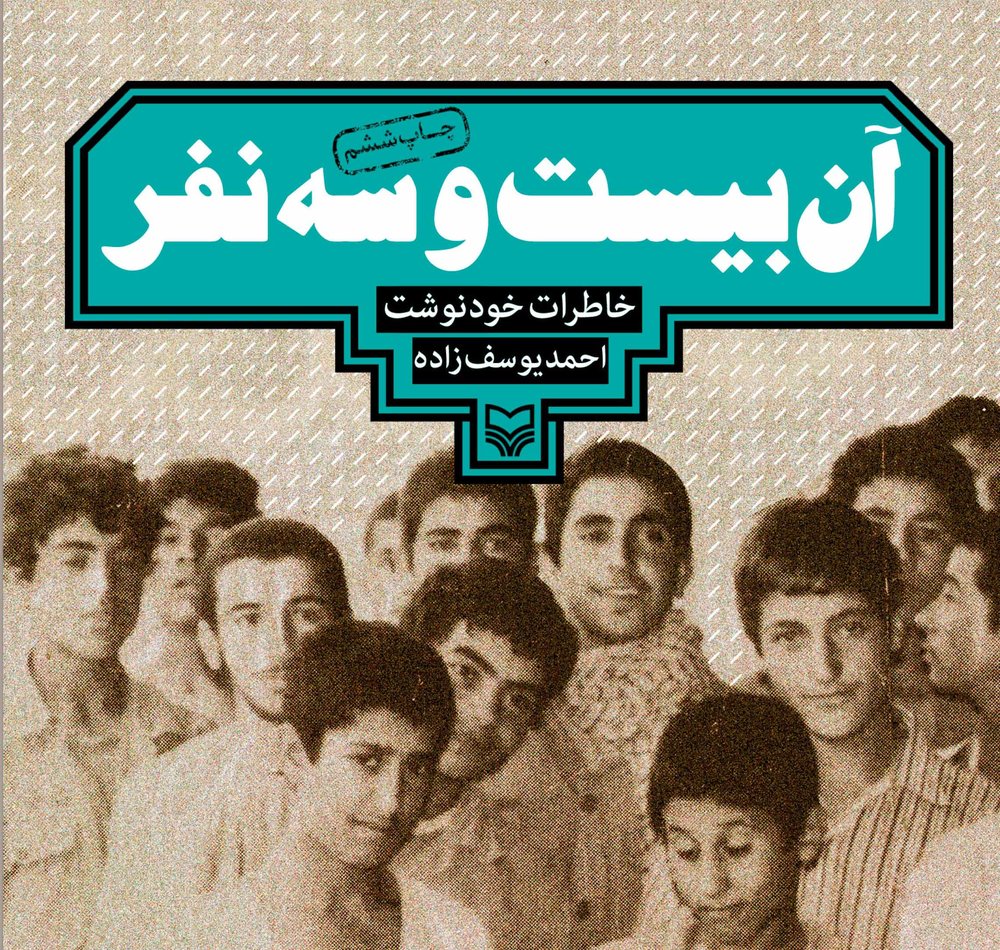
Written by war veteran Ahmad Yousefzadeh, the book tells the unforgettable story of 23 teenage Iranian combatants, ages 15 to 17, and was captured by Saddam Hussein’s army during Operation Beit Or Mokhadas.
Young prisoners, primarily from Carman, were paraded by the Bath regime to engage in a psychological war with Iran.
One of the prisoners, Yousefzadeh brings a calm clarity to their experiences, drawing readers to Iraqi prisons with his vivid and emotionally detailed prose.
Through frequent flashbacks, he reflects on the life of the village and the love of his family, drawing a wider picture of how war affects even the most distant corner of the country.
The memoirs are elegantly composed of four chapters each corresponding to the season of the year Iranian year of 1361 (1982).
The organization is combined with the flowing but powerful writing of Yousefzadeh, providing an accessible and immersive experience for readers.
Ayatollah Seiyed Ali Khamenei, recognized by figures like the leader of the Islamic Revolution, wrote a sincere acclaim, the book has achieved its position among the top ten most important events recorded from the war, according to Morteza Sarahangi, an expert in the defense literature.

The story also served as a basis for documentary and film adaptations.
Beyond the military narrative, “23 people” emphasizes the emotional dimension of war.
The scenes feature messages from the involved mothers, tense family ties, and acts of quiet empathy add a layer of humanity to the soldier’s ordeal.
The story moves readers to recognize that war is not confined to trench or the forefront. It invades the house, village, and mind.
The book’s influence lies not only in its historical significance, but also in its deep exploration of resilience and faith.
Yousefzadeh brilliantly portrays how these young men have been stripped of their freedom, exposed to psychological manipulation, stuck to their beliefs, and found the strength of unity.
The shared adversity formed an unbreakable bond between them, turning their prisoners into a melting pot of character.
“23 people” also serves as a strict reminder of the human costs of conflict. Through the author’s heart-warming reflection, readers witness the devastating effects of war on individuals and communities.
The story challenges a simple concept of heroism and exposes the raw reality of imprisonment, fear, and longing for home.
It encourages reflection on the wounds of the lasting war, both physical and emotional, that remain long after the gun is silent.
Furthermore, the book contributes to a more nuanced understanding of the Iran-Iraq war. By focusing on the experiences of young prisoners, it sheds light on previously marginalized perspectives.
The story challenges dominant narratives and provides a platform for voices that have often been overlooked.
In doing so, the “23” enrich historical records and promote a more comprehensive understanding of conflict.
The enduring popularity of “23 people” is a testament to its literary merit and the deep message of hope, resilience and enduring power of the human mind.
It exists as a crucial contribution to war literature and a heartbreaking reminder of the human costs of conflict.
This book ensures that the sacrifices and experiences of these young men will not be forgotten, and that their stories will continue to resonate with readers for future generations.
Reported by Tohid Mahmoudpour