
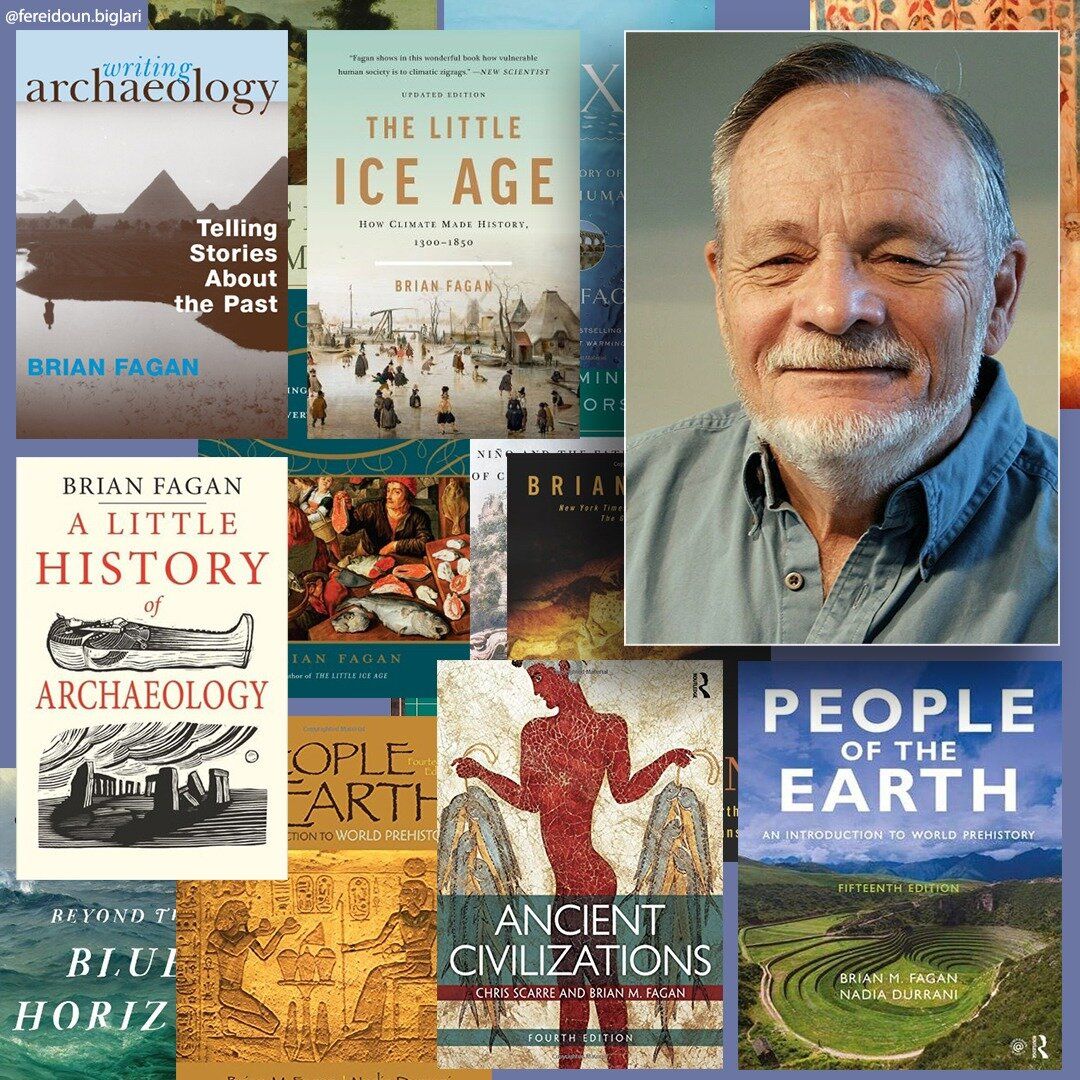
The world of archaeology has lost one of its most influential figures. Brian Fagan was often welcomed and died as the father of public archaeology.
For more than 50 years, Fagan has bridged the gap between academia and the general public, making complex archaeological concepts accessible and appealing through his writing.
My personal connection to Fagan’s work dates back to nearly 37 years in my high school days at Kelmansha. On a hot August day of 1988, a package arrived that left a lasting impression on me. Inside, the book is “The Adventure of Archeology,” a beautifully drawn book by the National Geographic Society. Fagan’s storytelling captivated me from the first page, taking some of the greatest archaeological discoveries on an exhilarating journey, from Nabonidus in the 6th century BC to groundbreaking discoveries in the 20th century. His eloquent and approachable language brought discipline back to life, reinforced by stunning photographs of ancient sites, artifacts and reconstructed historical scenes.
As a newcomer in Paleolithic archaeology, I found Fagan’s work on excavations of Leakey family in East Africa and exploring the particularly fascinating Paleolithic caves. Unfortunately, Iran has struggled to effectively educate the public about archaeology. Despite the tireless efforts of some colleagues on platforms like Instagram, many still link the field to treasure hunting, despite the aim of sharing accurate reports of field discoveries and highlighting the importance of discipline in understanding shared history. There’s still a lot to do.
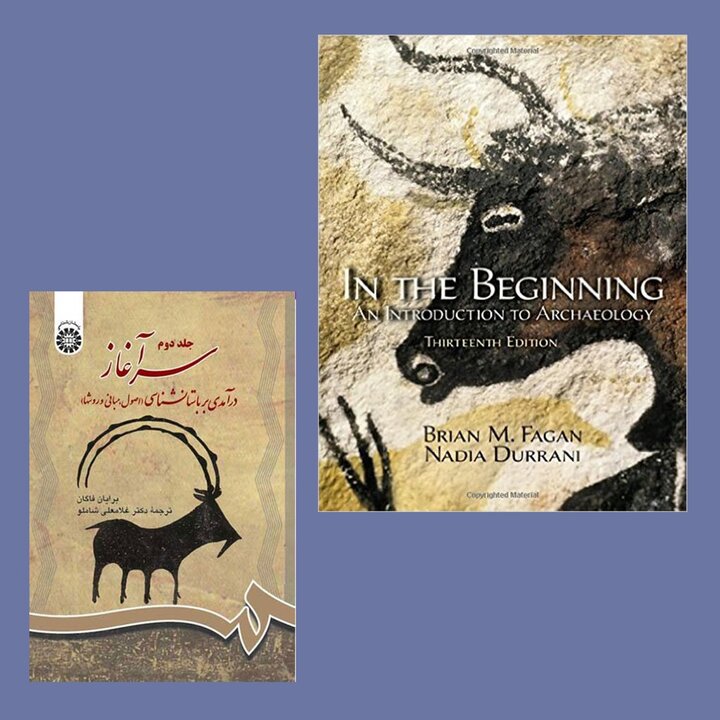
A recent success in this regard is the “Definitive Visual History of Ancient Iran” series, a four-volume set of exceptional quality by Cyan Publications. To date, Fagan’s “First: An Introduction to Archaeology” is the only work of his work to be translated into Persian, and is the second volume of GH. Published by Shāmlu and Samt. I hope that future translations of his amazing works will continue.
Brian Fagan was a pioneering archaeologist and a leading expert in prehistoric times. He began his academic career as a visiting professor at the University of Illinois before becoming a full professor at the University of California, Santa Barbara in the 1960s. During his illustrious career, Fagan created or edited 46 books. This includes seven bestselling textbooks, including “The First,” “The People of the Earth,” and “Archeology: A Brief Introduction.” Frequently updated and revised works introduced generations of students to archaeology in a clear, jargonless language that made complex topics accessible to everyone.
In addition to his prolific publications, including over 100 academic papers, Fagan served as editor of prestigious journals such as “Archeology Worldwide.” He was also a regular contributor to public media, effectively bridged the gap between academic archaeology and the more public.
Fagan’s contribution to education was innovative. He is known for teaching large referral classes, making archaeology accessible to thousands of students. His outreach extended far beyond classrooms, along with consultations with institutions such as the National Geographic Society, Microsoft Encarta and the BBC. He also spoke at well-known institutions such as the Smithsonian and produced influential radio and television shows, including the Lost Civilizations series. His work has received many accolades, including the distinguished service award for expert archaeologists and the American Archaeological Association’s Public Education Award.
Fagan’s academic approach was characterized by his ability to blend cultural history with modern archaeological methods to reconstruct historical narratives using interdisciplinary sources. He was also committed to reassessing the role of archaeology in modern society, particularly with regard to past climate change.
Fagan’s works left an indelible mark in the field of archaeology. He made archaeology apart from discipline, it also a shared adventure.
(The author serves as deputy director of cultural affairs and is the director of the Paleolithology Department of the National Museum of Iran.)
morning