
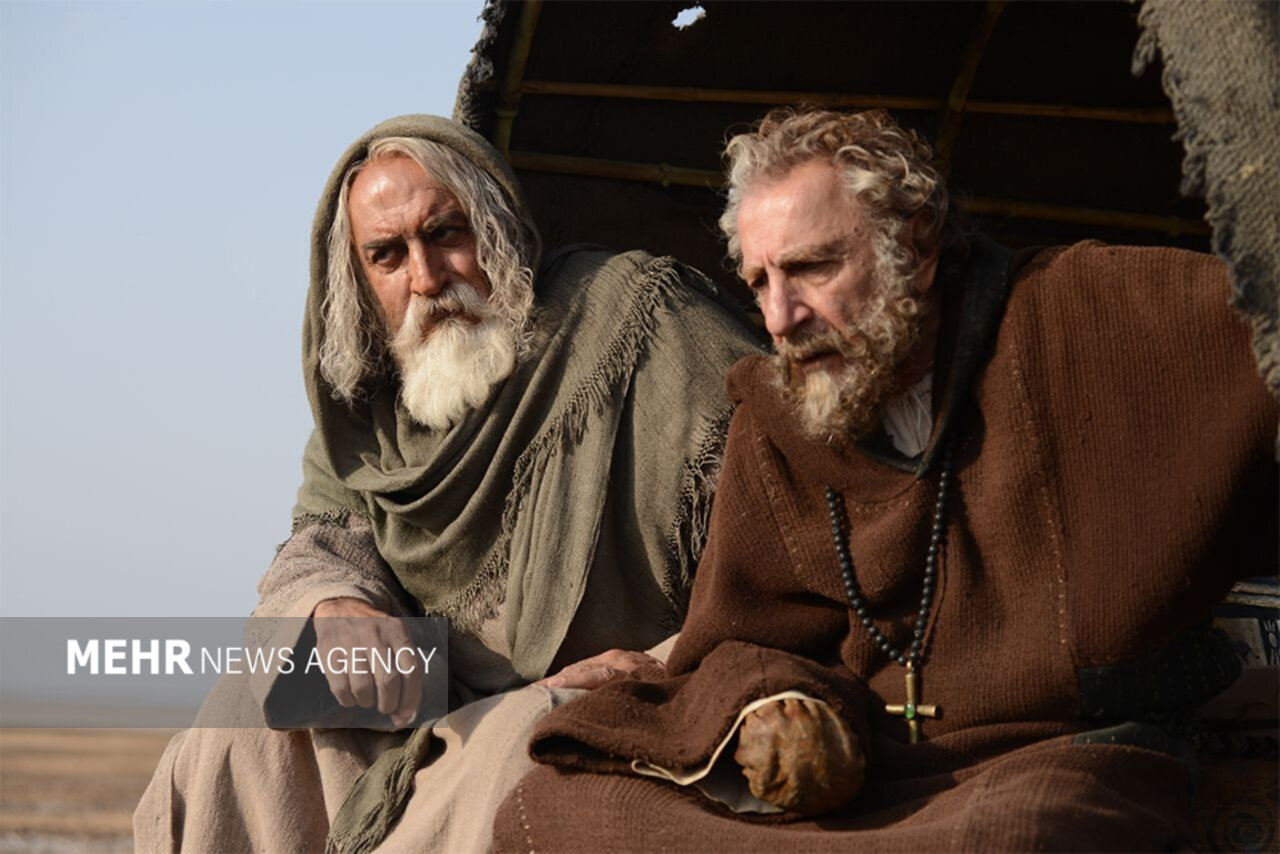
From true Persian-born seekers to close companions of the Prophet Muhammad (Pbuh), the Persians left a mark in Islamic history, which still resonates. His great military insights at the Battle of Trench turned the tide in favor of Islam and won him a place of honor among the houses of the Prophets.
The Persian Salman was a well-known and free figure in early Islam and was one of the respected companions of the Prophet Muhammad (Pbuh). Despite being of Persian origin, he achieved high status among the Arabs and Muslims of Hijaz. The Prophet himself said of him: “Salman is a member of one of us, Aar al-Bait.”
During the Battle of Trench, it was Salman who proposed to dig defensive trenches around Medina to block enemy forces. The Prophet accepted his advice and this tactic became the key to the Muslim victory in that battle.
Salman was also a dedicated supporter of the first Shia imam, Ali Ibn Abi Talib (AS), and firmly believed that he was the legitimate and immediate successor of the Prophet. During the caliph of Umar ibn al-Kattab, Salman served as governor of Ktesiphon (Madden), and eventually died and buried. Historical descriptions vary by his exact Persian name and place of birth, but it is widely believed that he came from either Ramholzos or Jay, near the present Isfahan.
The role of Salman in the battle of trench
In the fifth year of the Hijra, an alliance of hostile troops began to form against the young Islamic State. A group of Jewish leaders traveled to Mecca and formed alliances with the Kleish, Gatafans and other pagan armies. Their plan was to completely crush Islam. Kleish and Gatafan attack Medina from outside, while Banu Klaiza, who lives within the city, attacks Muslims from behind.
In the face of this serious threat, Salman drew from his knowledge of Persian wars and provided an unprecedented solution. This strategy not only protected the cities, but also disrupts the enemy’s coordinated attacks, ensuring the survival and ultimate victory of the Muslim Ummah.
Salman’s death
The Salman Persian eventually died in the city of Ctesiphon (Madain) at 35 AH. Caliph Uthman Ibn died in the final year of Affan’s rule, but some accounts placed their deaths at the beginning of 36 Ah. Some historians have recorded the date of his death as Saffar’s eighth day.
MNA/