
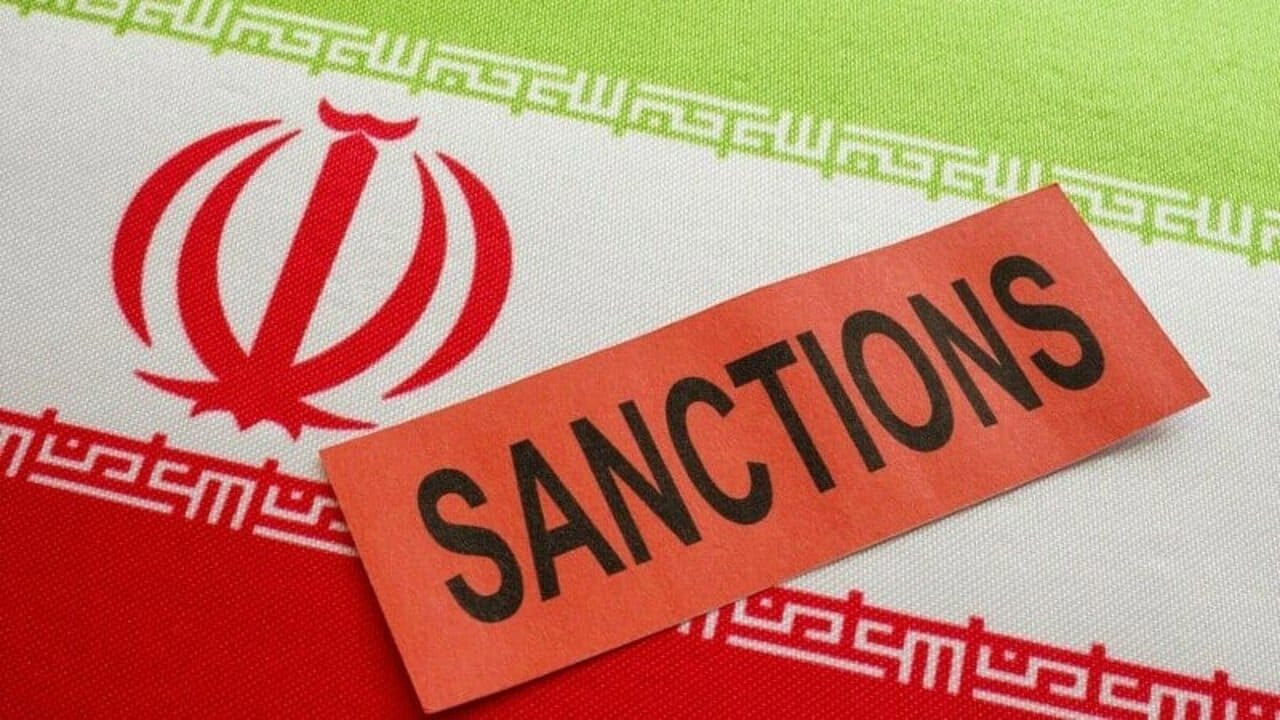
With an emphasis on seriousness and responsibility, Iran continues along the path of diplomacy and the quest for peaceful solutions to the nuclear file.
Recent speeches to the Security Council, official letters to the UN Secretary-General and international counterparts, and Iran’s diplomatic activities demonstrate that Tehran is working to maintain its active and dominant position on the global stage.
These responses can challenge European narratives that accused Iran of failing to fulfill the JCPOA commitment and attempt to justify their stance. Along with a statement issued by Iran’s Foreign Ministry, such letters will be sent and published to reinforce Tehran’s narrative that European troikas have misused the so-called snapback process.
Some analysts and experts believe that while these letters may appear defensive or reactive in the public eye, they may not hinder the implementation of UN sanctions on the ground, they will nevertheless add layers of complexity to enforcement, strengthen international support to give diplomacy to more spaces, and promote Iran’s trade with China and Russia.
From an analyst’s perspective, UN Security Council resolution 2231 and its restrictions actually expired as of October 18, 2025, and Iran is pursuing its path with legal support and multilateral diplomacy.
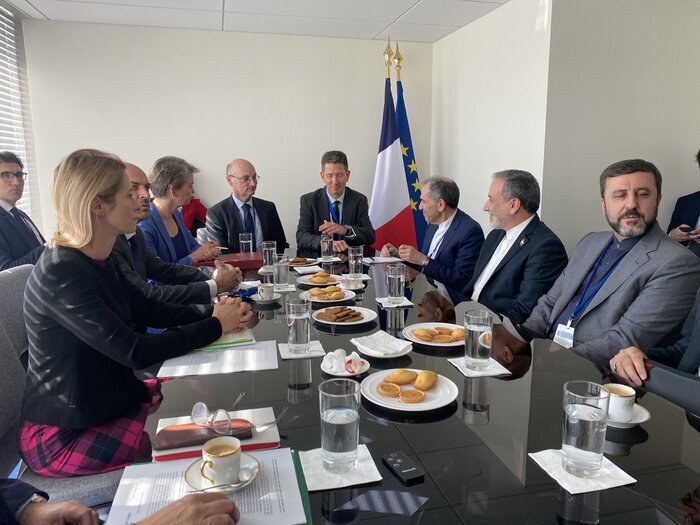
The past decade shows that Iran’s efforts to reach a multilateral agreement have been consistently met with excessive demands and broken promises from European parties and the US. The Western strategy of these eras was to create a denunciation game and blame Iran, but in reality, the failure to negotiate was due to Western negligence and violations.
International analysts believe that recognition of this reality is essential to a proper understanding of the negotiation course and to assess Iran’s diplomatic manipulation.
Within this context, the roles of China and Russia stand out. The positions of Beijing and Moscow show that they do not support a re-challenge of UN sanctions, and their deep rifts between the US and Europe provide Iran with the opportunity to leverage the capabilities of BRICS members, limit the impact of sanctions and complicate its implementation.
According to UN Security Council resolution 1737, a special sanctions committee on Iran was established. The committee was tasked with overseeing the implementation of sanctions, reviewing state reports on enforcement, handling violations, and making recommendations to the council. The Sanctions Committee plays an important role in imposing restrictions as the council’s enforcement unit of resolutions. However, the active presence of China and Russia in these committees could hinder the full implementation of the snapback mechanism. This reality shows that the economic and psychological consequences of sanctions are far less than what Western media portray. Therefore, Iran must seize this ability and neutralize unilateral pressure through active diplomacy.
Nevertheless, Iranian diplomatic tracks remain active and the path of dialogue has not been closed. Tehran’s recent involvement in international forums and the way it manages pressure reflects policies rooted in prudence, careful planning and reliance on multilateral capabilities. This is an approach that is one of the most effective tools to counter unilateral pressure and psychological wars in the West throughout history.
MNA/6607349