
On September 8, 1978, Tehran’s Black Friday became a turning point in Iran’s Islamic revolution, accelerating the collapse of the Shah and the collapse of Mohammad Reza Pallavi.
Months of protests over economic issues such as high inflation and political crackdown have halted Iran.
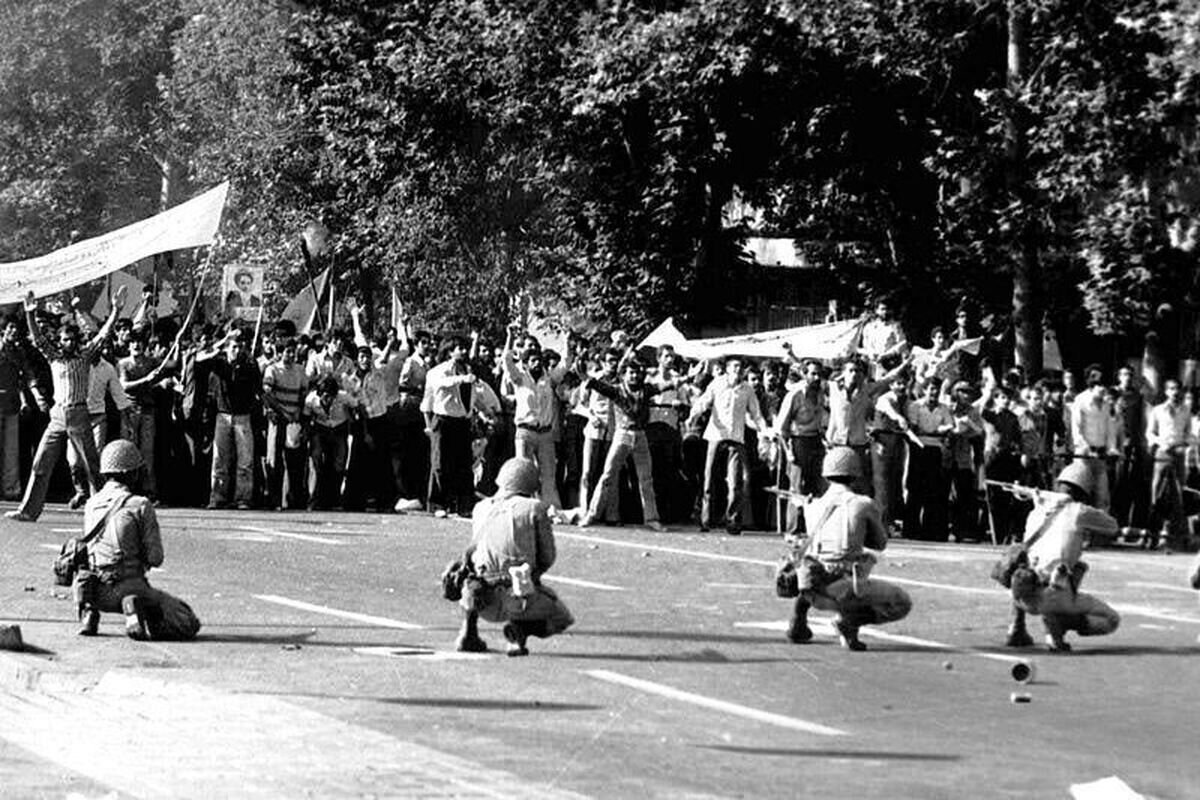
The government declared martial law on September 7th and banned public gatherings, but protesters refused to ban them and gathered on September 8th at Jale Square (now Shoe Hada Square) east of Tehran.
The Imperial Iranian Army troops met the protesters. After the warning of disbandment was ignored, the soldiers fired at the unarmed crowd. The account describes scenes of automatic weapon fire and the massacre where tanks remained squarely scattered.
The first government report alleges 87 deaths, attributed to armed terrorists. However, the opposition and the international community estimated that hundreds, perhaps thousands, have been killed.
The government’s attempts to control the narrative through the expulsion of journalists have fueled skepticism and rage.
Global rage continued, damaging the Shah’s image and straining relations with Western allies. Imam Khomeini (ra), the exile, sought ongoing protest and resonated with the sad nation.
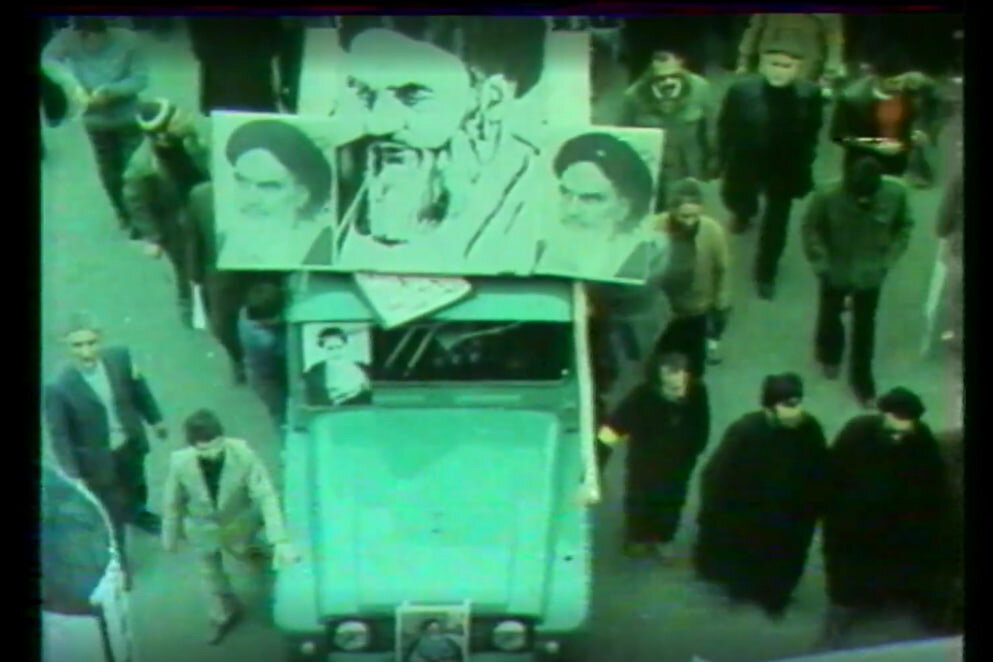
Black Friday outlawed Pallavi to bridge the gap between religion and secular opposition. The event showed the regime’s willingness to radicalize the masses and use extreme violence against opposition, turning the revolutionary goal into a complete subversion of the monarchy.
Today, September 8th is commemorated in Iran as a Day of Martialism and Resistance. Black Friday serves as a reminder of the state’s violence against civilians, marking the day when the Shah regime sealed its fate and paved the way for the victory of the Islamic Revolution.
The true death toll on Black Friday continues to be the subject of debate and historical research. This is a tough example of the challenges of documenting events amid a rapid political upheaval. What cannot be denied is that it will have a major impact on the collective Iranian spirit.
A sense of betrayal, loss of innocence, and the visceral shock of state-sponsored violence, has made it impossible to undo the revolutionary flow.
Black Friday has revealed a regime ready to shatter the illusion of a benevolent monarchy and maintain its strength to unleash deadly power.
This act of cruelty stimulated the opposition and encouraged their resolve to dismantle existing order. It was a turning point that transformed protests from expressions of dissatisfaction into a full-scale revolutionary movement aimed at removing the Shah.
The event had a ripple effect and influenced Iran’s position on the world stage. International condemnations, particularly from human rights groups and governments, have further isolated Shah and erode his legitimacy.
It gave Khomeini a powerful symbol of the regime’s tyranny, strengthened his position as a spiritual leader in the revolution, and solidified his support bases both in Iran and abroad.
The aftermath of Black Friday led to an intensifying momentum in the revolution. Acts of strikes, demonstrations and civil disobedience are spreading throughout the country.
The Shah’s attempts to reform and reconciliation proved useless, and could not quell the rising tide of opposition. The memory of Black Friday was constantly reminded of the regime’s atrocities, spurring revolutionary enthusiasm, and accelerated the Shah’s final departure and the establishment of the Islamic Republic of Iran.
The resonance of the gunfire at Jale Square continues to resonate in Iran’s history. This is a horrifying testimony to a day when the revolution has irreparably changed its conclusion. The legacy of Black Friday will shape the political and social landscape of Iran over the next decades, surpassing an immediate revolution.
The trauma given to that day continues to inform the collective memories of the nation, affecting its relationship with authority, understanding of justice, and perceptions on the international stage.

This perception has been revealed in various forms of activity and social movements throughout the history of the Islamic Republic as Iranians continue to address the legacy of Black Friday and their impact on society.
Furthermore, Black Friday has become a powerful symbol of the broader narrative of resistance to oppression.
The image of unarmed protesters facing heavily armed soldiers serves as a source of powerful accusations of the authoritarian regime and inspiration for those seeking to challenge them.
Despite these different perspectives, Black Friday remains an undeniable turning point in Iranian history. It represents a moment of deep tragedy and transformation, the day the seeds of revolution were owned in the blood of innocent protesters.
Its legacy continues to shape national identity, political discourse, and relationships with the world. As Iran continues to navigate its complex and uncertain future, Black Friday memories will undoubtedly continue to serve as a powerful reminder of the lasting struggle for justice and freedom.
Reported by Tohid Mahmoudpour