

Every September 18th, the Iranians commemorate Seyed Mohammad-Hossein Behjat Tabrizi, best known for his pen name, Shahriar, one of modern Iran’s most famous poets. This day is officially marked as the National Day of Persian Poetry and Literature.
Born on January 2, 1906 near Tablis city in eastern Azarbaijan, Shariar discovered his love for poetry at a young age and published his first poem among the Tabliz high school students.
He began writing under his birth name, Behjat, but later adopted Shahriar as his literary identity. His debut collection, Divan-e Shahriar, was released in Tehran in 1931 and quickly attracted praise from famous scholars and poets for its elegance and creative image.

Shahriar explored a variety of poetic forms, including lyrics, ctrain, caplets, ode, elegy, and more, but he has been particularly admired for his Gazal and is deeply influenced by the classic Persian Master Hafez style. His first published collection in 1929 includes prefaces by prominent literary figures such as Mohammad Taki Bahar, Said Nafisi and Peziman Bakhtiari, highlighting his early perceptions in Iranian literary circles.
Written in Shariah’s most iconic work, Azari, Heydar Babaya Salam is considered one of the best contemporary poems of Azari literature. Named after the mountains where Sharier spent her childhood, the poem reflects the nostalgic memories of village life, which has since been translated into over 30 languages and adapted to theatrical performances.
The main reason for his poem’s enduring popularity was his colloquial and everyday use of language, and his works resonated widely with the public.
Sharier passed away on September 18, 1988 in Tehran. His body was placed to rest in MacBharatshoarah (the spirit of the poet) of Tabliz, a resting place for nearly 400 prominent poets, mystics and cultural figures. In Iran, the anniversary of his death is observed as the National Day of Persian Poetry and Literature. His poems continue to be studied, chanted, translated and adapted.
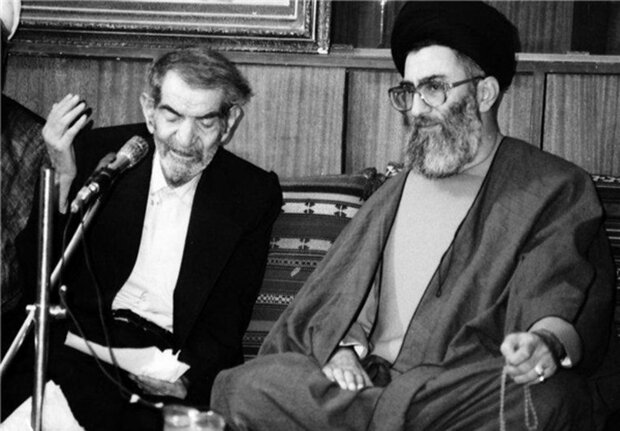
In 2006, during a meeting with members of the Executive Committee responsible for organizing the parliament to commemorate the birth of Shariah, the leader of the Islamic Revolution who described Shariah as a great Iranian poet. He said that to praise Shariar is, in fact, admiration for Persian poetry, and that his poetry is named as a prominent poet who demonstrated his wisdom.
“Sharia is one of the eternal personalities of Persian poetry,” he added.
Describing Sharier’s masterpieces in detail, he stated that Sharier’s poetry is a wonderful legacy of Persian literature.
Sharier’s romantic voice
Shariar is often remembered for his spiritual and mystical poems, but he also wrote some of the most heartfelt love poems of modern Persian literature. One of his most famous gazals starts with the line:
“Amadi Janam Be Govan, Vali Hara Chera”
(You’ve come, my life for you – but why is it too late now?)
In this ghazal, the poet speaks directly to his beloved, whose long-awaited arrival comes after years of separation. His words mix with passion and sadness, devoting his life with dedication, whining the cruelty of premature love.
You’ve come – I’ve given my life for you, but why now?
Dishonest person, why are you helpless now when I have already fallen?
You seem to be a healing potion that only arrived after Sorab’s death.
Cruel, this should have been faster. Why now?
My life doesn’t have your “today and tomorrow” luxury.
I am a guest on a short day. Why wait until tomorrow?
My beloved, I have given youth to your charm.
Now, show it to the younger people.
ah! It’s a very short, very uncertain life
Why is this all just as crazy and crazy lazy as me?
Even Farhad’s passion would bow his head in question.
Sweet lips, why do you answer me with bitterness and light dad?
On the night of O, my eyes never found a momentary sleep –
Why do you keep shaking my sleepy fate into a cruel babysitter?
Heaven will plunge lovers’ gatherings into chaos.
Why is this whole world not falling apart?
Nightingale with sad nature in the fall of separation,
Silence is a sign of loyalty. Why scream in the midst of confusion?
o Shariah, you would never have come out without your beloved.
This journey is like a path to Judgment Day. Why go alone?
The poem reflects Sharier’s ability to weave intimacy with timeless themes of longing and regret. The tone and emotional clarity of the conversation became one of his most widely recited works, demonstrating another dimension of his artistry beyond spirituality and national identity.
MNA/