
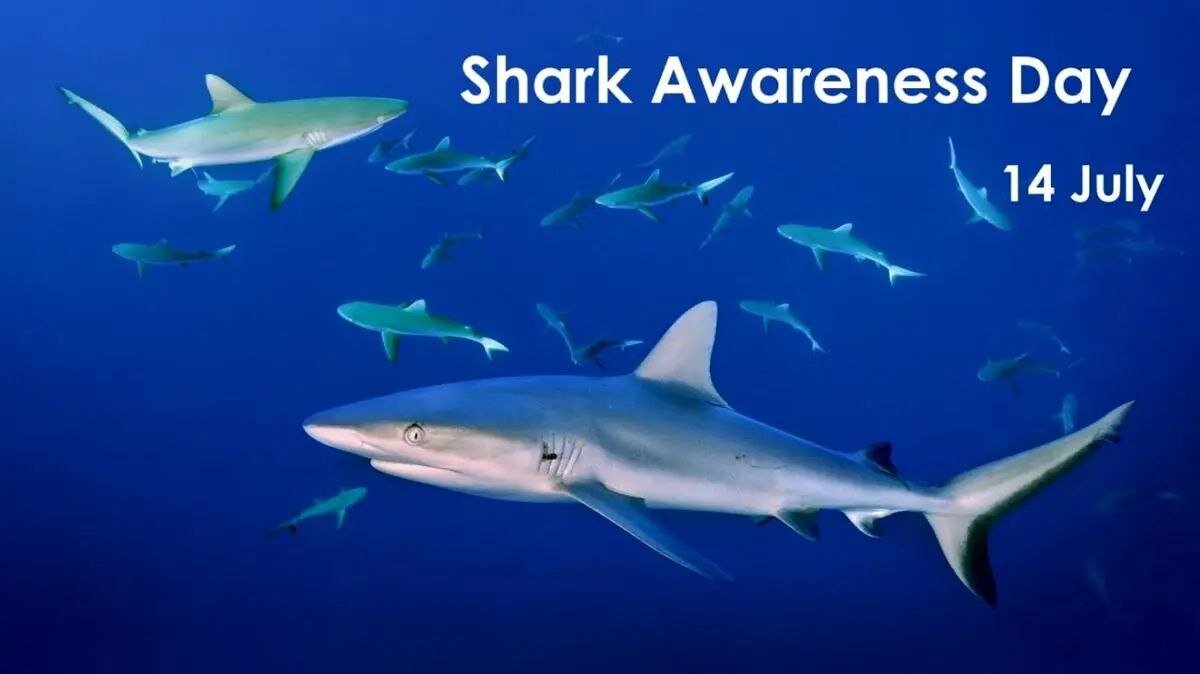
Tehran – Conservation sharks will maintain an ecological balance and healthy marine ecosystem, maintain the livelihoods of coastal communities, and ultimately protect the entire ocean.
Shark Awareness Day is observed annually on July 14th to celebrate the shark as one of the marine creatures of the sea.
The day offers an opportunity to focus on the critical situations of these valuable marine species facing serious threats such as illegal fishing, pollution, and habitat loss.
The sharks and rays, which lived in the ocean for millions of years, have become extremely vulnerable due to their decline in growth and low reproductive rates.
Over 45 shark species and 58 rays have been identified in the local waters, some of which are on the International Conservation of Nature (IUCN) Red List.
To address the challenges, the Ministry of the Environment (DOE) has worked with local communities, government agencies and science centres to develop an action plan for the preservation of sharks and rays by monitoring the population, raising awareness of fishermen and empowering them.
According to Shahram Fadakar, a DOE official, the action plan is a national document, and its implementation is essential for the relevant organization.
Referring to the important role of cartilage fish in marine ecosystems, Fadakar said sharks and rays sit on top of the marine food web. They play an important role in maintaining a biological balance. A decline in the population of sharks and rays affects the survival of marine communities.
Unfortunately, excessive fishing and illegal fishing, their late maturity and low breeding have threatened these species by extinction.
Over a third of cartilage fish species are on the IUCN Red List. Among them, the rays are ed to the very endangered.
The action plan, which employs a participatory approach, aims to identify threats, reduce conflict, promote a culture of conservation, and determine five-year priorities.
Fadakar said the DOE had previously conducted 48 educational and participatory workshops in the coastal state.
The latest workshop was held with the participation of representatives from the National Planning and Budget Agency to strengthen cooperation between the Iranian Fisheries Organisation, the Ministry of Industry, the Ministry of Mining, the Iranian Customs Authority, and the Iranian Customs Authority, and these agencies.
Rays and skates are the order of cartilage fish, including various types of rays, skates and other similar fish. They mainly eat small fish, invertebrates and benthic creatures, searching for food at the bottom of the ocean, with mouths underneath the bodies that easily catch and eat prey.
Overfishing, marine pollution, and habitat loss are one of its main threats. Conservation efforts include hunting restrictions and habitat protection.
Sharks are a large group of cartilage fish, half of which are listed on the IUCN Red List as endangered species. There are seven varieties of sharks in the Persian Gulf, including bathed sharks, bathed sharks, whale sharks, threadher sharks, bull sharks, shark catfish and zebra sharks. Four shark species, from the Persian Gulf and the Omani Sea, are currently highly endangered, with 13 species on the IUCN Red List.
Overfishing, inappropriate fishing methods, and habitat loss are among the factors responsible for the extinction of sharks in the Persian Gulf.