
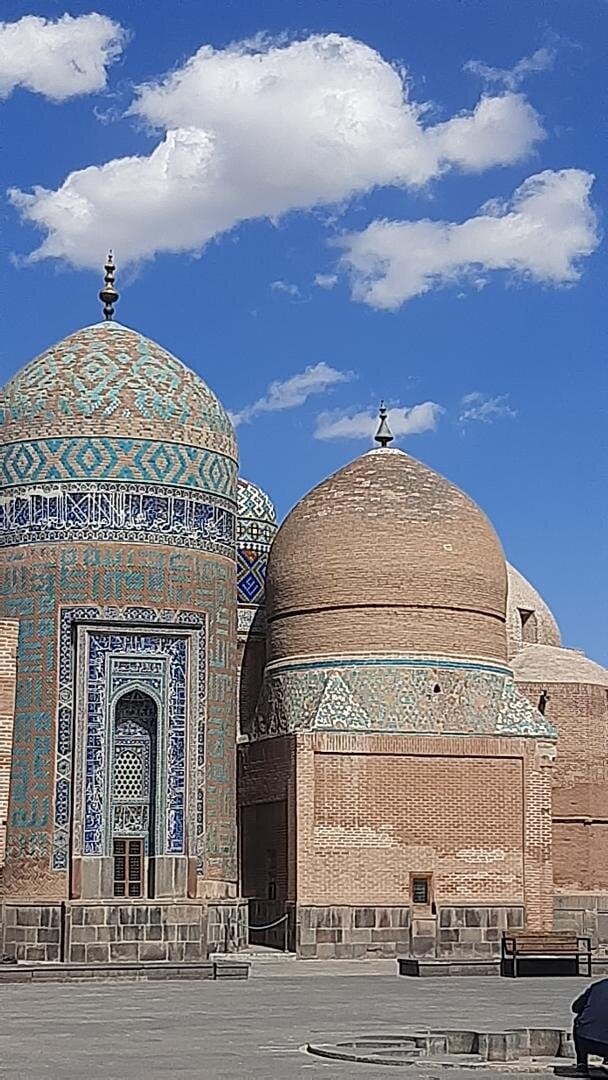
Tehran – The UNESCO registered Sheikh Safi al-Din Hanega and the shrine ensemble of Aadibil in northwestern Iran were built between the beginning of the 16th century and the end of the 18th century. It is sometimes called the intersection of Iranian history, mysticism and culture.
This place of spiritual retreat in the Sufi tradition uses traditional Iranian architectural forms to maximize the use of available spaces, including libraries, mosques, schools, zaleas, water storage rooms, hospitals, kitchens, bakeries and several offices.
Where Chinaware donated from the Chinese Empire, 700 capes and the tombs of the martyrs of Kaldran, each tells a living story of Iranian identity and glory.
Sheikh Safi al-Din is the Safavid dynasty, a prominent mystical, pupil of Sheikh Zahed Gilani, and founder of the dynasty that shaped the fate of Iran for centuries. His tomb, along with historic halls, exquisite objects and collections of tombs of Chaldea warlords, became one of Iran’s most important cultural and historical destinations.
One of the most attractive parts of the complex is Chinikhaneh, a 400-year-old hall that houses over 1,200 blue and white porcelain.
These ships are gifts from the Chinese emperor to King Shah Abbas I of Safavid and represent the cultural and economic relationship between Iran’s Far East and the Silk Road. A visit to this hall is a journey to the heart of the history of global trade and cultural diplomacy.
Among the treasures of this collection is a cloak that is 700 years old. The clothing worn by Sheikh Safi in the past is considered a symbol of spiritual communication and continuity of paths.
The cape, handed to Sheikh Saphid by Sheikh Zahed, shows the depth of the connection between the great mystic and the Safavid Kings.
Another notable part is the tomb of the martyr general of Cardoran. The cemetery, created at the orders of Shah Ismail Safavi, buried the generals of the Kaldran war and is considered a symbol of sacrifice and resistance to the enemy.
The ensemble incorporates a route to reach the Sheikh shrine, divided into seven segments.
The ensemble includes well-preserved, rich decorative façades and interiors, with an incredible collection of antique artifacts. It constitutes a rare ensemble of elements of medieval Islamic architecture.
KD