
Iran’s top diplomat made the remarks Sunday while speaking at a panel at the international conference “International Law Under Attack: Aggression and Defense” in Tehran.
Mr. Araghchi outlined Iran’s post-conflict outlook, noting that the country remains committed to diplomacy and peaceful conflict resolution, especially in the region. “There are two approaches: one based on force and aggression, and the other based on dialogue and diplomacy, and the Islamic Republic has chosen the second path,” he said.
Reflecting on the recent 12-day war imposed by the Israeli regime on Iran, Aragushi said it was a defensive response to attacks by the United States and Israel, carried out in part in coordination with other countries. “Their objectives in this war were not achieved. Initially they were demanding Iran’s unconditional surrender, but by the 12th day they were calling for an unconditional ceasefire,” he said, underscoring Iran’s quick mobilization and solid defense capabilities in the first hours of the conflict.
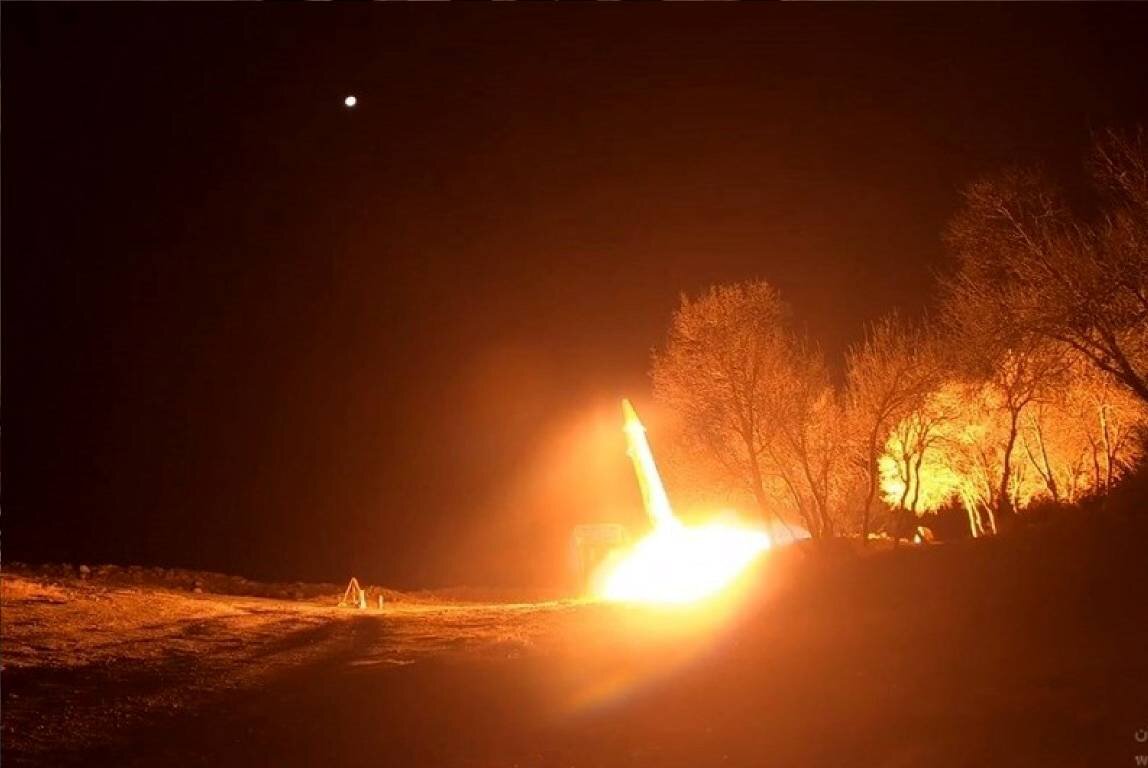
Araghchi emphasized that since June 13, 2025, Iran’s defense capabilities have been significantly strengthened. He noted that while Israeli aircraft are flying over Iranian airspace, Iranian missiles are also effectively flying over Israeli-occupied Palestinian territory. “By the end of the conflict, Iran’s missile operations had become so precise and powerful that Israel was forced to call for an immediate ceasefire,” he said.
The minister also emphasized the enduring resilience of Iran’s nuclear program. “Their intention was to destroy our nuclear technology, but it remains intact. Facilities and equipment, although damaged, can be rebuilt. What was most important to them, the will of the Iranian nation and the unity of the people, remained unbroken. The Iranian people have become stronger, more united and more supportive of the government.”
Araghchi concluded by noting that lessons learned from the conflict have strengthened Iran’s deterrence capabilities. “If a similar war occurs again, we will be better prepared to respond. This preparation itself is the most powerful factor in preventing future conflicts,” he said. He also emphasized Iran’s enduring resilience in the face of four decades of sanctions, and that its resolve will not be undermined or its capabilities limited.
On June 13, while Washington and Tehran were in the process of nuclear negotiations, Israel launched a blatant and unprovoked invasion of Iran. The Israeli attack sparked a 12-day war that left at least 1,064 people dead in the country, including military commanders, nuclear scientists and civilians.
The United States also entered the war by bombing three Iranian nuclear facilities in a serious violation of international law.
In response, Iranian forces targeted strategic locations throughout the occupied territories, as well as Qatar’s Al Udeid Air Base, the largest US military base in West Asia.
On June 24, Iran successfully thwarted the invasion through successful retaliatory operations against both the Israeli regime and the United States.
MNA/85997726