
Tehran – Sistan Balsestan is more than just a geographical region on the map of Iran. It is a land of colour, music, flavor and tradition, and the rich culture and history meets in everyday life.
The province in southeastern Iran, which stretches its vast region and shares its border with Pakistan and Afghanistan, has long been a historic crossroads in people, languages and traditions where Persia, South Asia and the broader Islamic world converges.
With deep-rooted hospitality, the warm people open doors to visitors and share a legacy shaped by centuries of interaction and resilience.
Some believe that the value of hospitality, the respect of the elders, and strong family ties shape cultural life here. Oral traditions, poetry and storytelling keep the memories of past generations alive and prominently. These practices are interwoven with Islamic beliefs, while still retaining traces of old traditions and creating a unique, resilient cultural fabric.
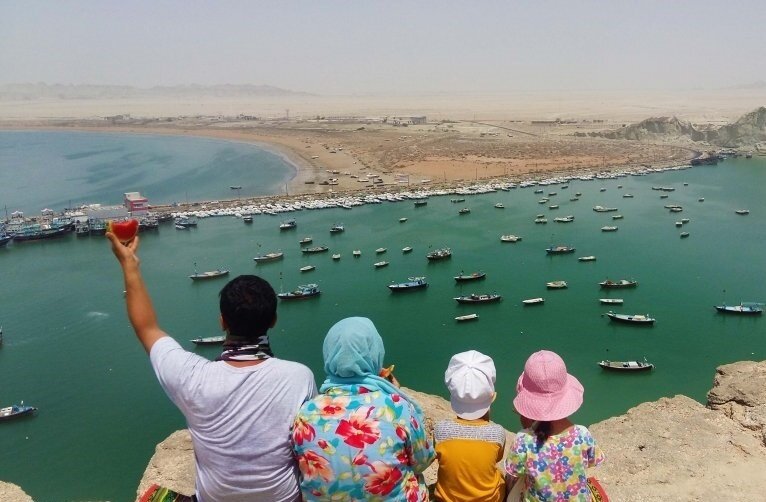
The natural beauty of Sistan-Baluchestan is just as convincing as its culture. Belis Beach and Pier near Chabahar offer dramatic views of the turquoise waters of the Omani Sea crashing into towering cliffs. The small fishing pier adds authenticity and invites visitors to see local fishermen at work.
Beyond the coast, the state includes deserts, mountains and wetlands that support unique ecosystems and landscapes.
Sistan-Baluchestan clothing is one of the most visible markers of its unique cultural identity.
For men, traditional outfits consist of long, loose white clothing known as the Pirahan, worn in wide pants and turbans. The simplicity and practicality of this outfit reflects both the hot climate and the cultural emphasis on humility and elegance.
For women, clothing is lively and richly decorated. Adorned with embroidery and mirror pieces known as Suzan Duzi, the long dress represents centuries of craftsmanship passed down from mother to daughter. Not only are these garments beautiful, they also adapt to the warm environment of the region, embodying the living connection between heritage and everyday life.
Sistan-Baluchestan’s cuisine reflects its geography and cultural exchange. The meal is full of hearty flavors, often combining local ingredients with influences from South Asia.
Popular dishes include Tabahag, a slow-cooked meat dish, and Dal-Adas, a spiced lentil stew. With fragrant rice, meat and spices, Balochibiryani introduces the state’s culinary connections as adjacent cultures. Additionally, locally baked bread is a staple food for family tables.
In coastal towns like Chabahar, seafood is at the heart of the meal, but inland areas rely more on meat, grains and pulsation. Agriculture offers fresh dates, mangoes, bananas and citrus fruits.
Among other things, tea is a universal symbol of hospitality, served in every home and gathered as a gesture of friendship and respect.
Here at Sistan Balchestan, music and dance bring statewide celebrations to life. Instruments such as the Sona (reed instrument) and the Doll (large drum) set the rhythm of the joint gathering.
Traditional dances are held in groups at weddings and festivals, highlighting unity, joy and collective expression. These performances are more than entertainment. They are acts of cultural continuity, conveying shared identity from one generation to the next.
Furthermore, the state is renowned for its handicrafts that combine usefulness and artistry.
Susan Duzi embroidery is the most famous and most famous, transforming into colorful canvas with intricate designs, and is still a transformation. Ceramics, camel wool products, hand-woven rugs and finely crafted silver jewelry also reflect the region’s creativity. These crafts are not only sources of income, but also cultural expressions, each piece possessing the story and skill of the maker.
Thanks to its subtropical climate, Balchestan is one of Iran’s main centres for tropical fruit production.
Dates from Saravan and Iranshah are respected nationwide for their sweetness and texture. Furthermore, the mangoes from Chabahar harvested in the summer are a treasured area. Along with bananas, papayas and citrus, these products contribute significantly to the local economy and form part of the state’s identity.
morning