
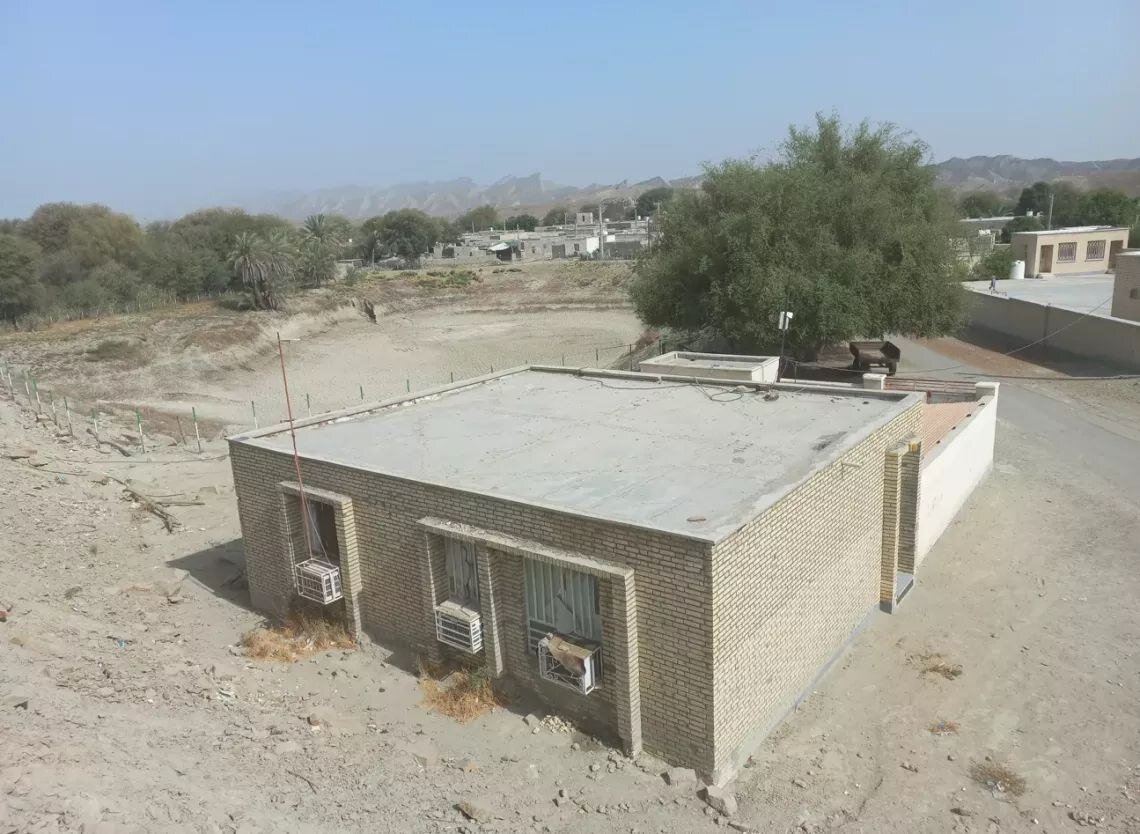
TEHRAN – The United Nations Children’s Fund (UNICEF) is working closely with Chabahar Ministry of Health and the Regional Electricity Department to install hybrid solar power systems in key health facilities to ensure that essential health services are not disrupted throughout Sistanbaruchestan.
With funding from the South Korean government, Chabahar and four nearby health centres Taiyo, Konarak, Qasre Qand, Dashtiari and Zarabad will support health facilities to continue essential health services during electricity cuts.
A comprehensive field assessment conducted by UNICEF and Chabahar University Medical University in the province at eight rural major healthcare facilities indicates a lack of reliable power that puts critical services at risk, such as vaccine storage, safe births, water pumps and ster.
In response, the Solarization initiative was launched, with six facilities selected for the first phase. The project will feature the center with solar panels, battery storage and a smart load controller to ensure uninterrupted power.
The initiative includes a clear roadmap for procurement, installation and maintenance, with local engineers and health workers actively involved in ensuring long-term sustainability.
To ensure sustainability, UNICEF will provide training to Ministry of Health, Medical and Education (MOHME) staff and PHC technicians, with maintenance being gradually handed over to local governments through formal agreements.
Sistan-Baluchestan, one of Iran’s most underserved and disaster-prone provinces, provides a model of climate-smart and independent healthcare. Supported by the Republic of Korea, we will strengthen essential health and cleaning services, ensure ongoing care for mothers and children in emergencies, and advance UNICEF’s commitment to resilient and equitable access for all.
Recent medical services
Supported by the United Nations Children’s Fund (UNICEF), the Ministry of Health and Medical Education (MOHME) has located and equipped 13 primary health care (PHC) centres in highly refugee input areas in Sistan Balchestan and Holasan Razavi.
The joint efforts aim to enhance health services for vulnerable children and their families. Health Services covers more than 100,000 people, including both refugees and host community members, the UNICEF website announced in a press release on April 17th.
Furthermore, UNICEF’s response to the catastrophic floods in 2024 was that response to the floods that hit Chabahar county in Sistanbalchestan province included the rapid deployment of two prefabricated mobile phone PHC units. Floods have caused widespread damage to buildings and infrastructure, requiring urgent healthcare support for the community, especially children and women.
Deployed in partnership with Mohme, these units were designed to ensure the continuity of PHC services for people affected by floods, particularly in districts where healthcare access has been significantly disrupted.
The intervention has reached 5,310 beneficiaries, including 500 children, and has strengthened UNICEF’s dedication to strengthening health access for the most vulnerable populations in the country.
The PHC Center offers a comprehensive package of health and nutrition interventions for all age groups with a particular focus on children and women of reproductive age. These facilities serve as the initial contact within the health care system and play a pivotal role in providing comprehensive and accessible care. UNICEF has recognized the importance of equitable access and has ensured that these services are comprehensive and do not exclude individuals with special needs.
In February, the two organizations are suffering from severe acute malnutrition (SAM) in Zabol, Southeastern Sistanbarushestan, working together to provide medical care to children under the age of five.
Funded by the European Civil Protection and Humanitarian Aid Operations (ECHO), UNICEF has been offering free treatment to these children since September 2024.
At Amir Almomenin Hospital, we guarantee that more than 54 Sam’s children are already receiving critical medical care and will receive life-saving treatment they need. This initiative not only enhances access to treatment services, but also focuses on children with disabilities and most needy children, ensuring that children are not left behind.
Recognizing the deeper issues of food insecurity, the project will continue throughout 2025. In just three months, the complementary social protection program will provide SAM case cash cards to families, helping families purchase nutritious foods and improve their overall well-being.
mt/mg