
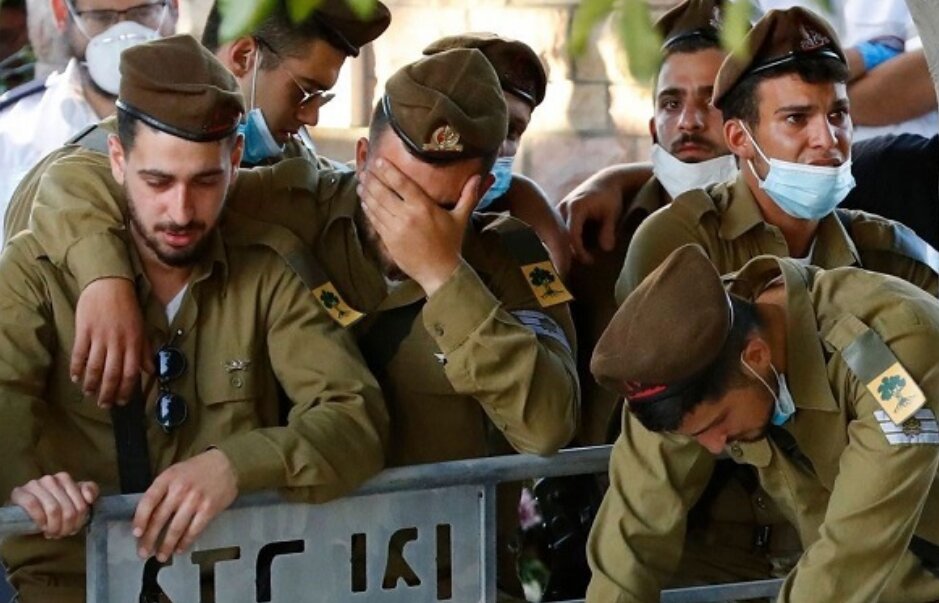
Tehran – Since the Gaza War broke out in October 2023, Israeli forces have been working on a surge in soldier suicides.
Suicide attempts by both active and reserve soldiers reveal deep psychological, operational, and institutional failures within the military system.
The nature and magnitude of the crisis is unprecedented and points to a larger mental crisis that requires attention.
Increasing numbers and underreported crises
In 2024, 21 Israeli soldiers committed suicide, the most in the last 13 years. With over 14 suicide cases announced in the first half of the year, there is still an upward trend in 2025. Most of the events involve reserves who are rushed to call and sent to combat locations with unlikely psychological preparation or assistance.
Those who oppose it say that the military doesn’t pay proper attention to these cases and in fact act as if it works just to hide them.
Psychological sacrifices and institutional failures
The psychological sacrifice to soldiers is beyond understanding. Research shows that around 12% of reserves who went to the fight in Gaza have been diagnosed with severe post-traumatic stress disorder (PTSD), which are affected to the point that they are not suited to continue their services. Since the start of the war, around 30,000 soldiers have sought psychological help, while hundreds have been discharged due to mental health issues.
This widespread trauma led to a morale collapse. The reserve enlistment rate fell from 95% to 75%, while absenteeism for certain units rose sharply to 50%. Despite these astounding numbers, the Israeli military has been widely criticized for its inadequate mental health infrastructure, widespread stigmatization of psychological distress, and for failing to provide timely and effective treatment to suffering soldiers.
Recent tragic cases
The latest incidents highlight the human costs of the crisis. On July 10, 2025, soldiers from the Golani Brigade committed suicide at SDE Teiman military base shortly after serving in Gaza. His troops knew about his condition and were worried.
He was questioned by military police, evaluated and psychiatric support, but his weapons were confiscated and supervised. However, he found a gun from a friend and took his life. Importantly, the soldier had just returned from Gaza after losing his best friend during the battle – progression from exposure to combat, and the trauma added when he returned from before.
Another case recently occurred in reservist Daniel Edri. Daniel Edri returned from trying to manage the numerous combat missions equivalents from Gaza and Lebanon, then managed all the missions and was denied immediate access to psychiatric care.
Society owns its own warming
The rising suicide rate among Israeli soldiers highlights a deep crisis that goes beyond personal tragedy and threatens military operational preparation and social stability. Groups like “Front Mothers” criticize the ongoing deployment of psychologically inappropriate soldiers, warning that they will endanger both individual and unit aggregation.
As recruitment decreases and morale falls, the psychological toll of long-term conflict and occupation is increasingly echoing through Israeli society. This surge in suicides reflects a society overwhelmed by relentless warming and expansionist policies.
Israel’s aggressive military action – from the brutal occupation of Gaza to the recent conflict with Iran, destroying lives abroad, destroying spiritual and social fabrics at home. The crisis exposes a military system that prioritizes conquest over soldier welfare, revealing deep ethical and strategic failures in Israeli society itself.