
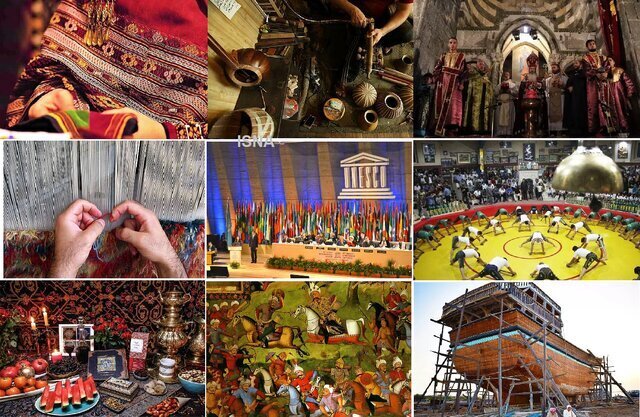
Tehran – Iran has been officially selected to hold the 2026 Annual Meeting of the UNESCO Category 2 Centre, which is active in the field of intangible cultural heritage.
The announcement was made by Ali Dharabi, Deputy Minister of Cultural Heritage, Tourism and Handicrafts in Iran and chairman of the Governance Committee of the Tehran-based Centre for Regional Studies to protect intangible cultural heritage in the West and Central Asia.
The decision was primarily sided by the ohinata Bureau, secretary to the 2003 Convention for the Protection of Intangible Cultural Heritage, following the 2025 virtual sessions for the centre.
Due to schedule conflicts between the 2025 UNESCO General Assembly and the Mondiacal World Conference held in Spain, the online conference attracted over 80 participants, including Category 2 centres and international expert directors. Representatives from the centres of Algeria, Bulgaria, China, Iran, Japan, Peru, South Korea, the United Arab Emirates and other countries were present.
In the first part of the session, the Tehran Centre published a comprehensive report on its activities in 2024. Provided by Director Atousa Momeni, this report highlights efforts in regional capacity building, digital platform development, education programmes and collaboration with local communities in 24 Western and Central Asia.
The second segment of the meeting focused on the proposals for the 2025-2026 Action Plan, which was submitted for review and final approval in the next session of the governing committee.
Despite the 2025 meeting being held online, Ohinata confirmed that Iran has confirmed his candidacy to hold the 2026 face-to-face session.
Darabi highlighted the strategic importance of the Tehran Centre in realizing the goals of the 2003 UNESCO Convention, and highlighted the extensive geographical reporting and role as a professional partner of the treaty’s secretariat.
The Category 2 Centre, sponsored by UNESCO, is an institution established and supported by Member States to contribute to the implementation of UNESCO’s programmes. They specialize in areas such as teacher training, educational planning, adult literacy, and intangible cultural heritage. These centres promote knowledge sharing, local networking and capacity building, and strengthen UNESCO’s mission in their respective fields.
morning