
Tehran – The 7th National Conference on the Country Forests is scheduled to take place from November 5th to 6th.
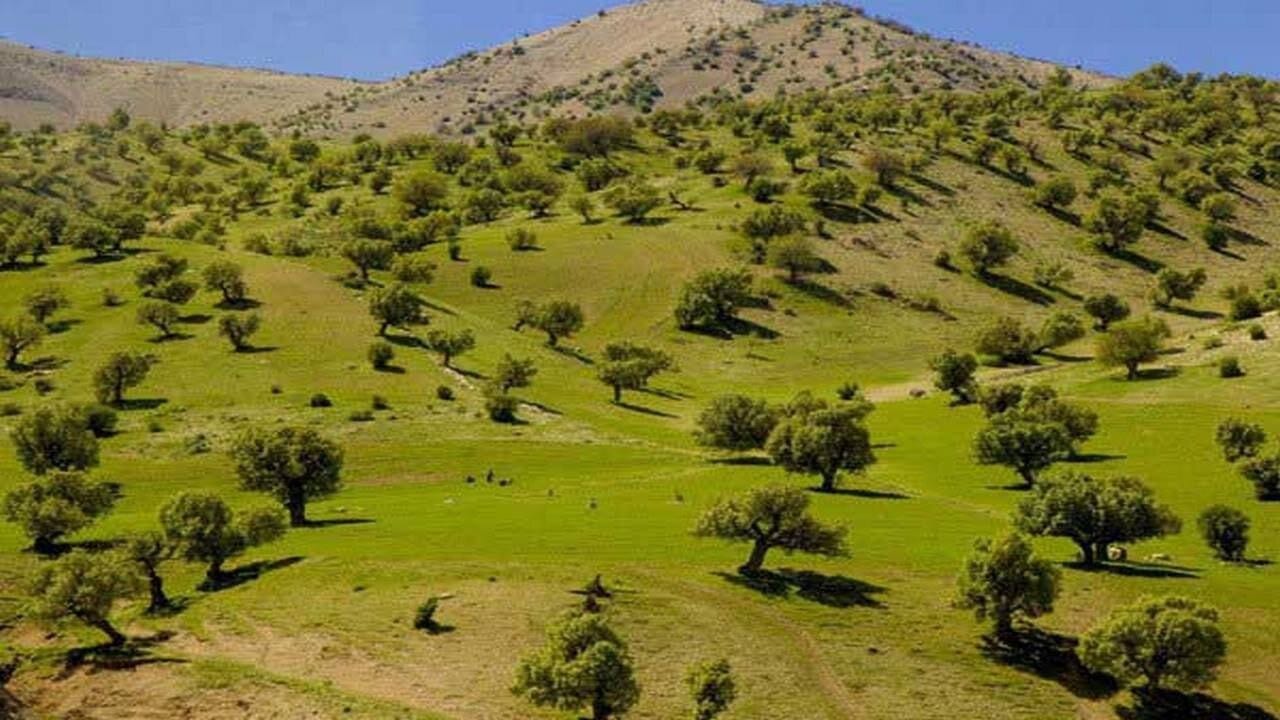
With the title “Maintaining the Integrated Management of Sole Ownership and Natural Resources with a Focus on the Social Forests of Zagros,” Irib reported that the event will be held in southwestern Lorestan.
The Iranian Forestry Association has organized the event in collaboration with the Natural Resources and Basin Management Organization.
The conference focuses on forestry and forest ecology, law and politics. Subjects in Forestry and Forestry Management, Technology and Engineering. Forest genetics and reproduction, economic and social issues of forests. Climate change in forests and the application of new technologies in forest management.
Located primarily in Lorestan, Zagros forests are one of Iran’s most important natural resources, making up 40% of the country’s forests and play an important role in the production of most of the country’s freshwater.
Iran is looking for a global cooperative
Iran’s forested areas account for approximately 14 million hectares, accounting for 7.5% of the country’s total land area. The forests are scattered across different regions around the country. The current per capita forest area is approximately 1,700 square meters, while the per capita forest area around the world is 5,600 square meters.
“Iran has been calling for international organizations and other countries to maintain Zagros forests through its comprehensive cooperation programme,” said Ali Teimouli, director of the Natural Resources and Basin Management Agency, who attended the International Conference on Sustainable Management of Zagros Forests in January.
Iran is famous for having one of the oldest forests in the world. The country’s 300,000 hectares of forests are engraved on the UNESCO World Heritage List, the IRNA quotes Teymouri as saying.
“Their geographical location makes these forests have flora and fauna diversity. Zagros forests show rich biological diversity, with over 2,500 plants and animal species not even found in the rest of the country or in the world.
These forests serve important economic and social functions and contribute to the livelihood of the local community. But they are threatened by a variety of factors, including climate change, frequent wildfires and illegal exploitation,” he added.
To address environmental challenges and improve sustainability metrics, Teimori said, Iran needs to develop international cooperation focused on technical support, exchanging experience, fundraising and providing regional and scientific cooperation.
Officials went on to say that Iran is willing to benefit from other countries’ expertise in the design and implementation of sustainable forest management projects. As environmental challenges are universal, the country is trying to use global environmental structures and facilities to restore forests.
The inclusion of sustainable management, economic, social and environmental sustainability indicators of Zagros forests through participatory management or social forestry, and involvement of local communities, government agencies and the private sector, lies on the agenda of the country’s natural resource organizations.
mt/mg