
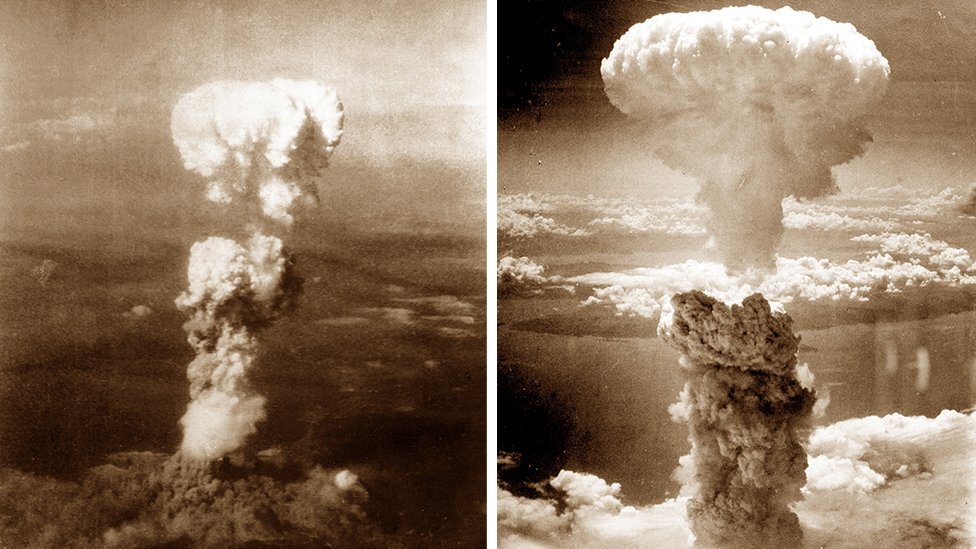
Now, 80 years after the Hiroshima disaster, the expansion and development of US nuclear weapons remains threatening the safety and stability of the whole world.
The US military carried out the first atomic bomb in history, raiding Japanese cities in Hiroshima and Nagasaki towards the end of the tail of World War II.
On August 6th and 9th, 1945, the United States exploded two nuclear weapons in Japanese cities in Hiroshima and Nagasaki, respectively, with the British consent required by the kebec agreement, respectively. The bombing of two people killed between 129,000 and 226,000 people, most of whom were civilians.
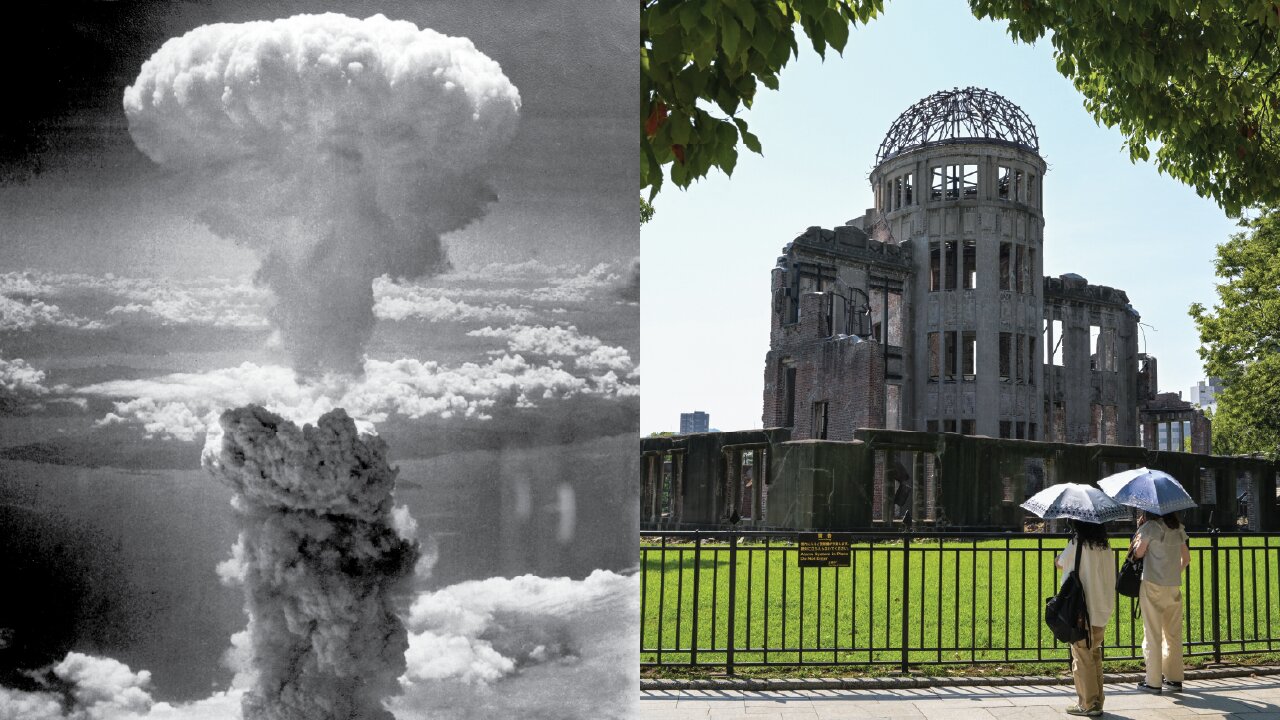
Hiroshima marks the 80th anniversary of the atomic bomb that destroyed most of the city.
Japanese residents today observe a minute of silence to commemorate the casualties of Hiroshima’s atomic bomb 80 years ago by the United States.
Every year, the main commemoration ceremony for the tragic anniversary takes place at Peace Memorial Park in the heart of Hiroshima. The silence was announced nationwide at 8:15 local time, the moment the bomb exploded on August 6, 1945.
The event is commemorated annually and reflects the devastating outcomes and the importance of striving for a peaceful world.
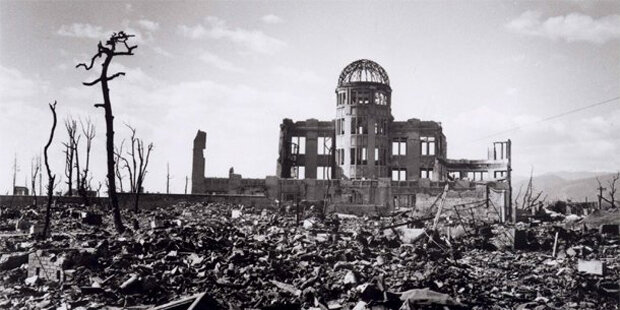
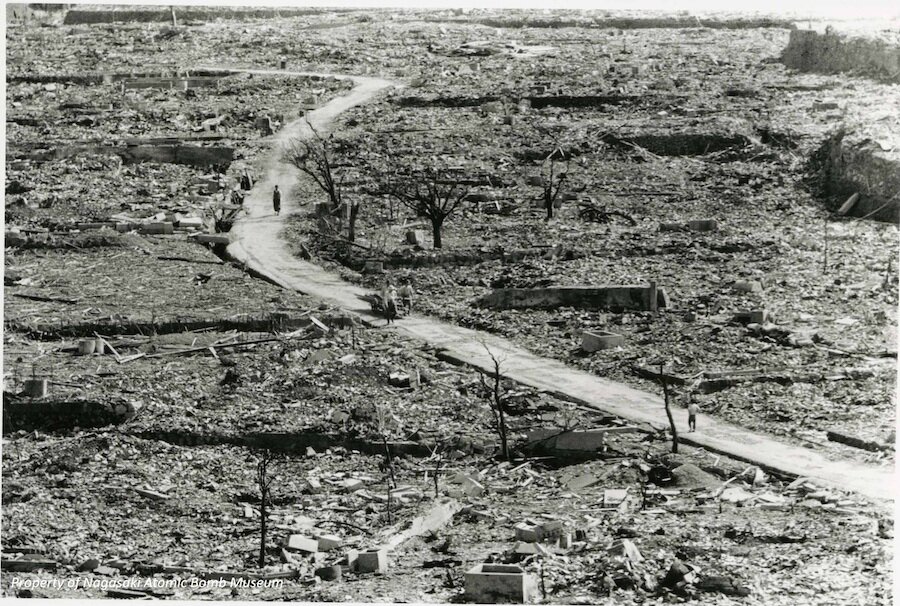
The two nuclear bombs fell in Japan in 1945, killing hundreds of thousands and hurting hundreds of thousands.
(By the end of 1945, the bombing had killed an estimated 140,000 people in Hiroshima and another 74,000 in Nagasaki. Of those killed, it is estimated that 38,000 were children. In the following years, many of the survivors faced leukemia, cancer, or other severe side effects from radiation.
(The uranium bomb that exploded Hiroshima on August 6, 1945 had an explosive yield equivalent to 15,000 tons of TNT. It destroyed and burned about 70% of all buildings, causing an estimated 140,000 deaths by the end of 1945, causing an increase in the incidence of cancer and chronic disease among survivors.
Three days later, a slightly larger plutonium bomb exploded in Nagasaki, killing 74,000 people by the end of 1945, 6.7 square kilometers.
The British consent was obtained for bombing as required by the Quebec Agreement, and on July 25th General Thomas T. Handy, acting chief of the US Army, issued an order. These targets were selected because they were large urban areas that hold military-important facilities.
On August 6th, a small boy was dropped in Hiroshima. Three days later, a fat man was dropped in Nagasaki. Over the next two to four months, 90,000 to 166,000 people died in Hiroshima and 60,000 to 80,000 in Nagasaki due to the effects of the atomic bomb. Approximately half of the deaths occurred on the first day.
Over the next few months, many continued to die from burns, radiation illnesses and other injuries that were exacerbated by illness and malnutrition. Despite the estimated 24,000 military forces, which are a considerable military railroad site in Hiroshima, approximately 90% of the deaths were civilians.
The United States has committed more crimes than any other country in history, and unfortunately, despite the US dropping atomic bombs on Hiroshima and Nagasaki, the United States has not changed its policy to other countries.
The atomic bomb anniversary of Hiroshima and Nagasaki is a reminder of the great crimes against American humanity, but people around the world today can witness the amount of destruction and killing that occurs every day using American weapons.
Edited and reported by S. Morteza Ahmadi