
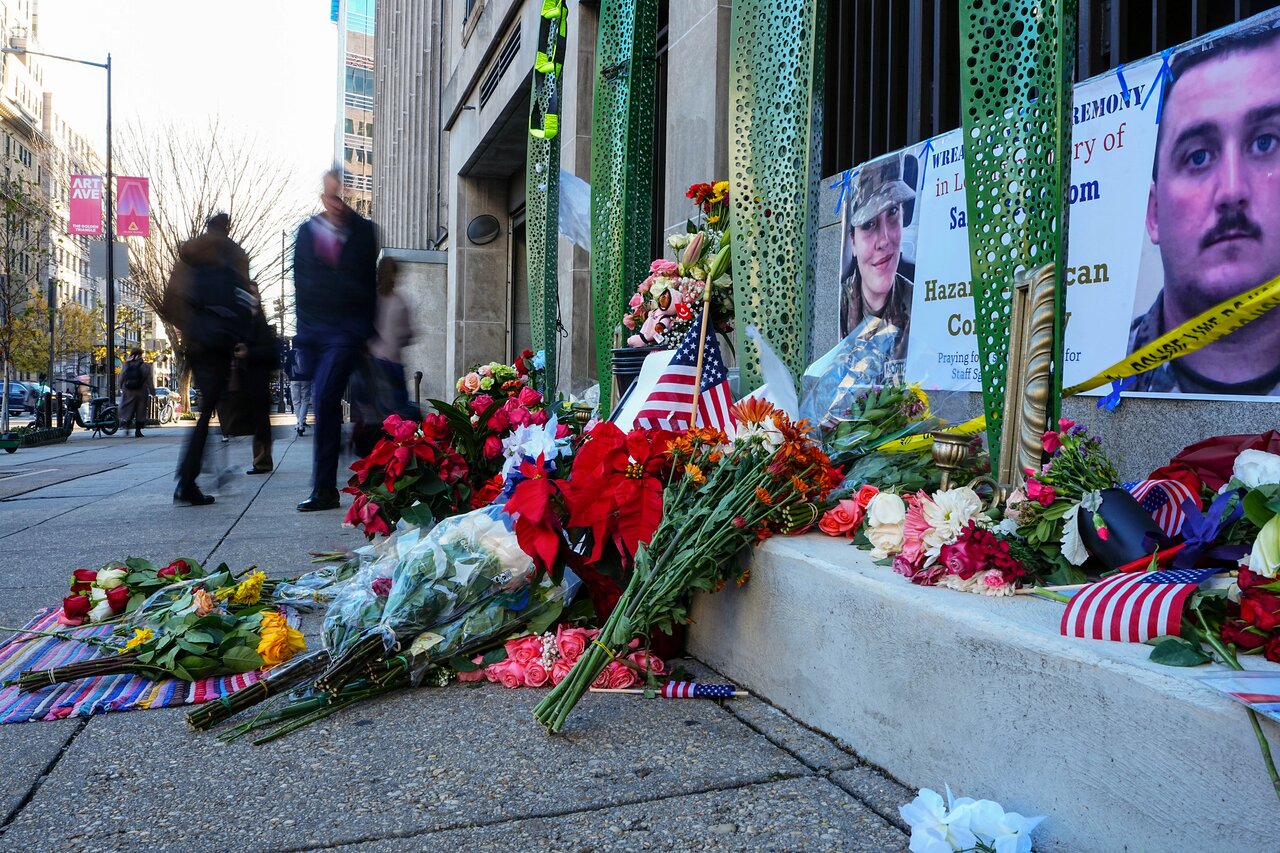
TEHRAN – Rahmanullah Rakanwal allegedly opened fire outside a recruiting center in Washington, D.C., on November 26, killing one soldier and seriously injuring another amid violent clashes over President Trump’s attempt to federalize the National Guard.
President Trump has ordered 500 more Guard troops into the nation’s capital, and the Pentagon confirmed on Dec. 2 that the Guard troops are armed with live ammunition.
Attorney General Pam Bondi wasted no time. The tragedy proved that the Guard must submerge “every city possible.” She made this statement just as hundreds of billions of dollars are flowing into AI border towers, biometric checkpoints, genetic tracking databases, and drone killing systems.
Fear of “Islamic extremists” and “illegal aliens” has been used as the perfect lubricant for the technocratic surveillance state that many Americans will soon praise as “security.”
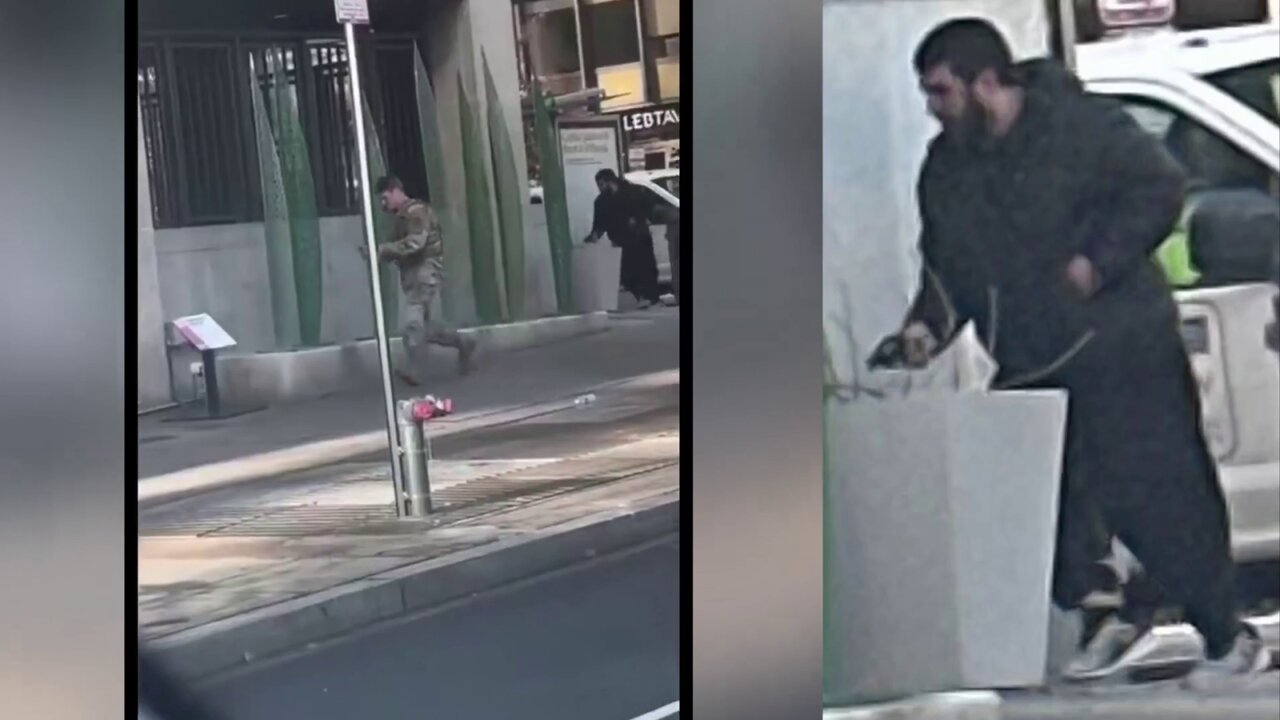
The gunman was no accidental “jihadist.” At age 15, he was recruited into the CIA’s Unit Zero 03, the Kandahar strike force, commanded by the agency’s highest-paid personnel and Afghanistan’s heroin kingpin, Ahmed Wali Karzai.
Rahmanullah Rakanwar spent ten years as a sicario in the largest drug cartel in history, created, armed and protected by the CIA.
When Kabul fell, Washington airlifted him and about 10,000 other hired hitmen to the United States on priority visas. Asylum was granted during Trump’s presidency, but Homeland Security Secretary Noem now says it “has not been reviewed under the Biden administration,” a partisan interpretation that borders on revisionism.
Lakhanwal spent ten years as a sicario in the largest drug cartel in history created, armed and protected by the CIA.
Although he was resettled in Washington state, he did not receive full-scale psychiatric treatment and was unable to find a proper path forward. The ghosts of isolation and night raids did the rest.
Like Jamal Wali in Virginia and Muhammad Saeed in Albuquerque, both former Afghan special forces raiders and killers, Lakhanwal’s downfall was scripted by the policies that created him.
Legally armed former billionaires moved unnoticed across the border and attacked the very institutions whose expanded role in the country was being challenged in court. CIA Director Ratcliffe’s off-the-cuff “all relationships ended in 2021” line sounds like a pre-arranged limited hangout.
History ranging from MK-ULTRA to the redeployment of Cuban exiles to domestic and Latin American terrorism suggests that these assets are rarely actually disposed of, and this pattern invites even darker theories.
The United States turned children into cartel assassins, profited from the warlord’s opium empire, and imported children when the game ended.
Whether Rahmanullah Lakhanwar was left to rot until it exploded, was quietly maneuvered, or something in between, the results serve the same purpose. Dead Guardsmen become emotional battering rams for military patrols in American cities, permanent digital cages sold as protection from the very monsters the Empire has cultivated.
Yesterday’s discarded assets become today’s pretext for tomorrow’s cages, turning imperial counterattacks into technological police states.
The shooter is a symptom, not the main villain. A deeply entrenched military-intelligence complex creates threats, harvests fear, and expands its power. His bullet was a pretext. A policy is a project.
This is an institutional architecture. Yesterday’s discarded assets become today’s pretext for tomorrow’s cages, a protection racket that turns imperial counterattacks into technocratic police states. The tragedy is not a failure of the system, but a catalytic shock in its function, the control mechanism.