
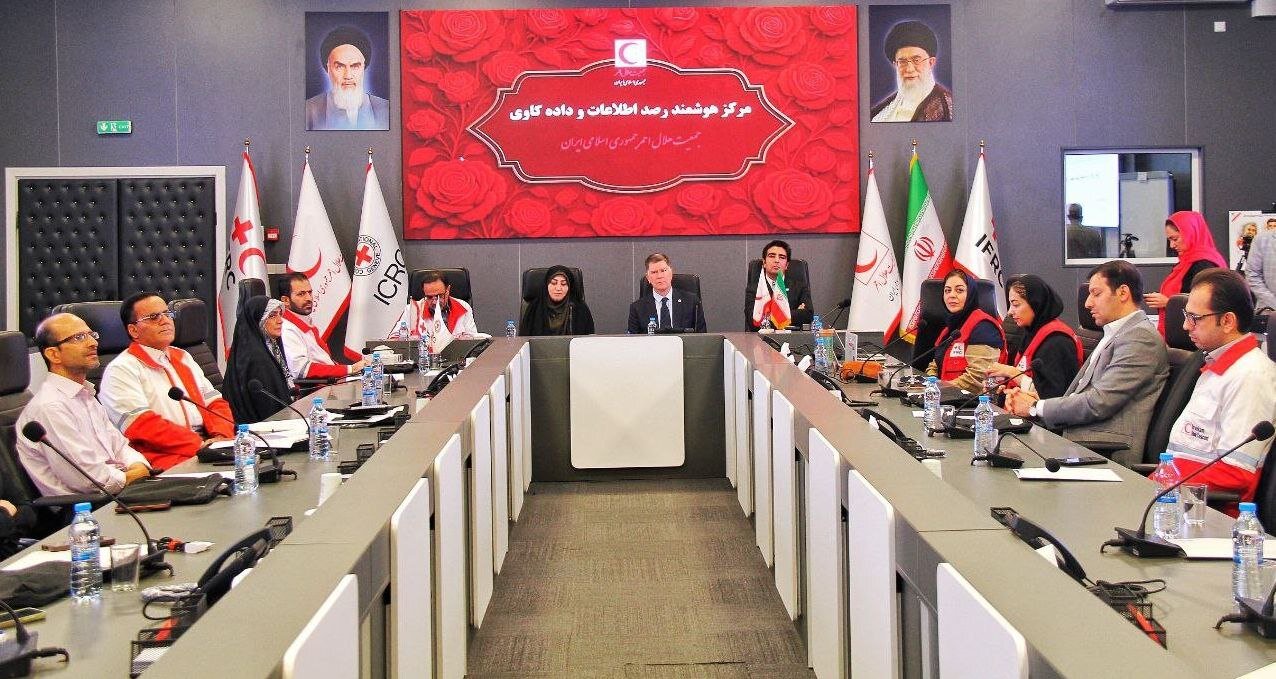
Tehran-Raji Alishvandi, director of the Iranian Red Crescent Association for International Affairs (IRCS), highlights the importance of rehabilitation in relief and rescue services, taking into account the important parts of supporting those affected by the crisis.
Rehabilitation means restoring life, mobility, personal independence and psychological peace to those affected by the crisis. Without physical and psychological rehabilitation, the life-saving cycle remains incomplete, IRCS quotes Alish Vandy as saying.
Officials made the remarks while working on a workshop on familiarizing themselves with the International Red Cross and Red Crescent Movement Services in the Department of Treatment and Rehabilitation. The workshop was held in Tehran today (Monday).
Emphasizing IRCS’ experience in providing rehabilitation services to veterans, victims of natural disasters, and patients suffering from difficult-to-treat diseases, officials said IRCS has contributed significantly to rehabilitation progress through the establishment of specialized treatment and rehabilitation centers.
Officials also said about 38 drug stores affiliated with the IRC are manufactured medicines due to difficult-to-treat diseases. This further highlights the potential of IRC as a role model for the region.
Hosting an international rehabilitation conference with 19 countries is a prime example of scientific and humanitarian cooperation. Such gatherings aim to strengthen not only scientific knowledge but also national and national relations, Alishvandi said.
“A single country cannot tackle the outcome of a crisis, but global solidarity and cooperation can help those struggling during difficult times. Rehabilitation is not only limited to treating physical injuries, but also to restoring self-esteem and hope,” she further said.
Working on the workshop, IRCS affiliated Hamid Reza Dehakun announced that IRCS is ready to promote international cooperation in other societies and the rehabilitation sector.
The workshop aims to strengthen understanding of the fundamentals of the movement and to support the principle of neutrality in conflict situations. This neutrality is the main foundation of our work, whether ensuring equal access to health services or maintaining human dignity in the most challenging situations, officials noted.
This workshop serves as an invaluable opportunity for widening collaboration with the International Red Cross and Red Crescent Association to implement projects in a variety of fields, particularly in mental health. Despite the restrictions, positive outcomes in the treatment sector indicate that society is moving in the right direction.
Understanding and adhering to the seven principles of the movement leads to employee job satisfaction and motivation, in addition to improving the quality of service. This makes service at Red Crescent a valuable and enjoyable experience, Dehqan said.
Establishment of a secretariat for rehabilitation services
On February 16, the IRCS and the International Committee of the Red Cross (ICRC) agreed to establish a joint secretariat on Tehran’s rehabilitation services.
IRCS Head Pirhossein Kolivand said rehabilitation is an important part of universal health insurance.
“War and other accidents make rehabilitation services extremely necessary in the country. So society has begun to start making rehabilitation services and prosthetics and braces. Currently, 200 rehabilitation centres are open in Iran and the conference is focusing on the activities of these centres,” he added.
“We look forward to expanding our international collaboration. Establishing a secretariat to follow up on issues is essential. We will do our best to support those in need of rehabilitation services,” Kolivand further said.
François Friedel, head of physical rehabilitation at ICRC, said, “The social and psychological aspects of rehabilitation are extremely important. Without a doubt, the establishment of a Tehran office will help address the issues and strengthen inter-social cooperation.
mt/mg