
TEHRAN – Iran’s Red Crescent Association (IRCS) will be holding its second international rehabilitation conference on Wednesday, in collaboration with Germany’s University of Munster, IRCS officials said.
The event, which is virtually scheduled to be held, is intended to enhance the effectiveness and outcome of rehabilitation services for patients with special needs.
Pishgahi will draw in participation from Professor Aligorgi, who is also a member of the IRCS Rehabilitation Advisory Committee, head of the Epilepsy Research Center at the University of Munster, as well as experts from the University of Medicine.
Relying on the outcome of the first meeting, the second meeting will take steps to improve the situation by focusing on its challenges and complex treatment requirements, officials noted.
Establishment of a rehabilitation service secretariat
On February 16, the IRCS and the International Committee of the Red Cross (ICRC) agreed to establish a joint secretariat on Tehran’s rehabilitation services.
IRCS Head Pirhossein Kolivand said rehabilitation is an important part of universal health insurance.
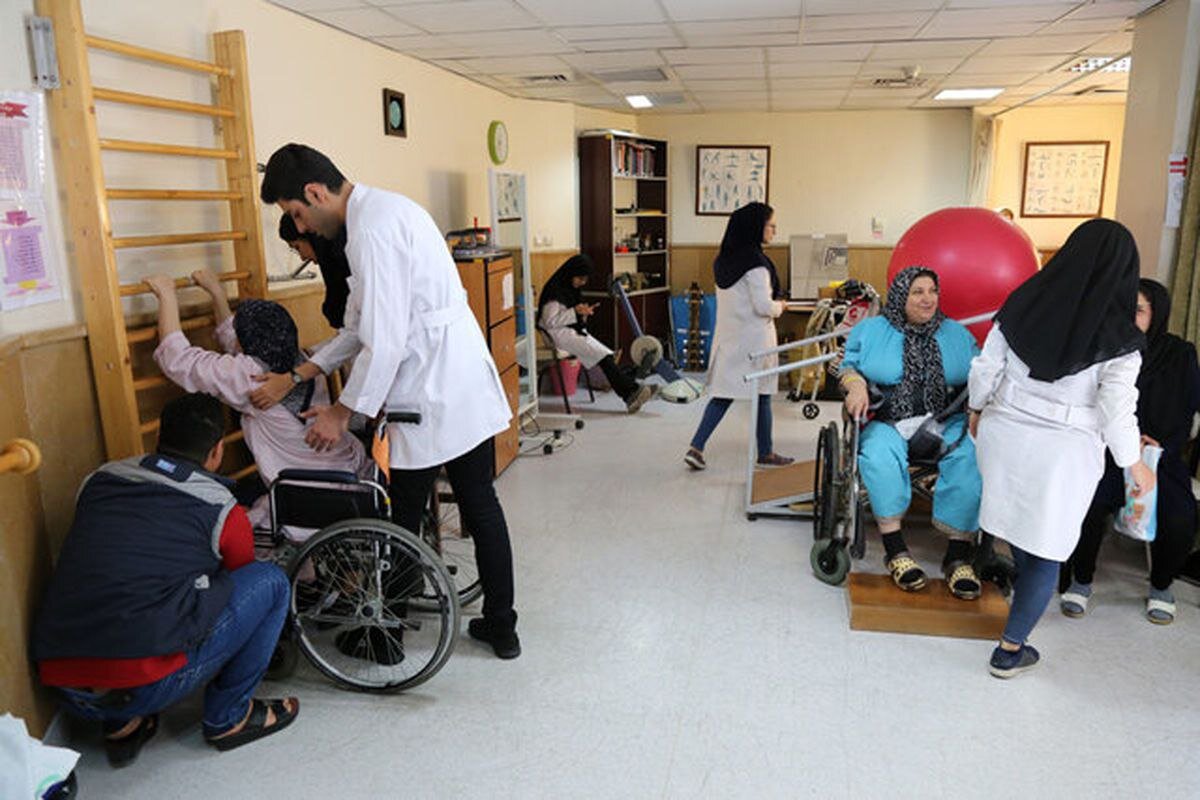
“War and other accidents make rehabilitation services extremely necessary in the country. So society has begun to start making rehabilitation services and prosthetics and braces. Currently, 200 rehabilitation centres are open in Iran and the conference is focusing on the activities of these centres,” he added.
The conference should focus on the latest initiatives and strategies, policy decisions and macro planning in the rehabilitation sector. According to the IRCS website, Kolivand emphasized that promoting public awareness of rehabilitation is also essential.
Global solidarity must be prioritized to utilize artificial intelligence and new technologies in rehabilitation, promote synergies and participation among national societies, and to provide new product development and rehabilitation services.
“We look forward to expanding our international collaboration. Establishing a secretariat to follow up on issues is essential. We will do our best to support those in need of rehabilitation services,” Kolivand further said.
François Friedel, head of physical rehabilitation at ICRC, said, “The social and psychological aspects of rehabilitation are extremely important. Without a doubt, the establishment of a Tehran office will help address the issues and strengthen inter-social cooperation.
In January, Vincent Kassard, president of Iran’s ICRC, stressed the need to expand cooperation mainly in the rehabilitation, mental health and humanitarian sector in a meeting with IRCS Director of International Affairs Razieh Alishvandi.
“So far, collaboration in the areas of rehabilitation and mental health is on track and we believe that we will provide an appropriate and effective platform to enhance collaboration between the two aspects,” IRNA quotes Kassard.
Officials made their remarks at a meeting held in Tehran on Monday. “We are also prepared to expand collaboration in family unity. It is one of our key priorities and can play an effective role in reducing the pain of families affected by the crisis,” he added.
Referring to the joint course held on ICRC and IRCS fundamentals, Cassard said, “We look forward to similar educational cooperation in the future.”
Officials praised the IRCS’ efforts to provide relief services to those affected by the war, including Gaza, Lebanon and Syrian refugees, and announced they are ready to strengthen their cooperation with the IRC in providing humanitarian protection to Syrian refugees.
Alishvandi said the IRCS is ready to play a more effective role in promoting cooperation in various humanitarian areas such as rehabilitation and improving human living conditions.
“IRCS provides rehabilitation services nationwide and worldwide. These services are provided in collaboration with ICRCs in the eastern states of the country, which host immigrants,” she said.
Referring to the challenges and issues facing refugees in Syria and Lebanon, Alishvandi called for ICRC’s support to support war victims in the region.
“With my international colleagues, I have always done my best to fulfill my humanitarian duties by supporting those in need and those affected by the crisis, regardless of geographical boundaries.”
mt/mg