
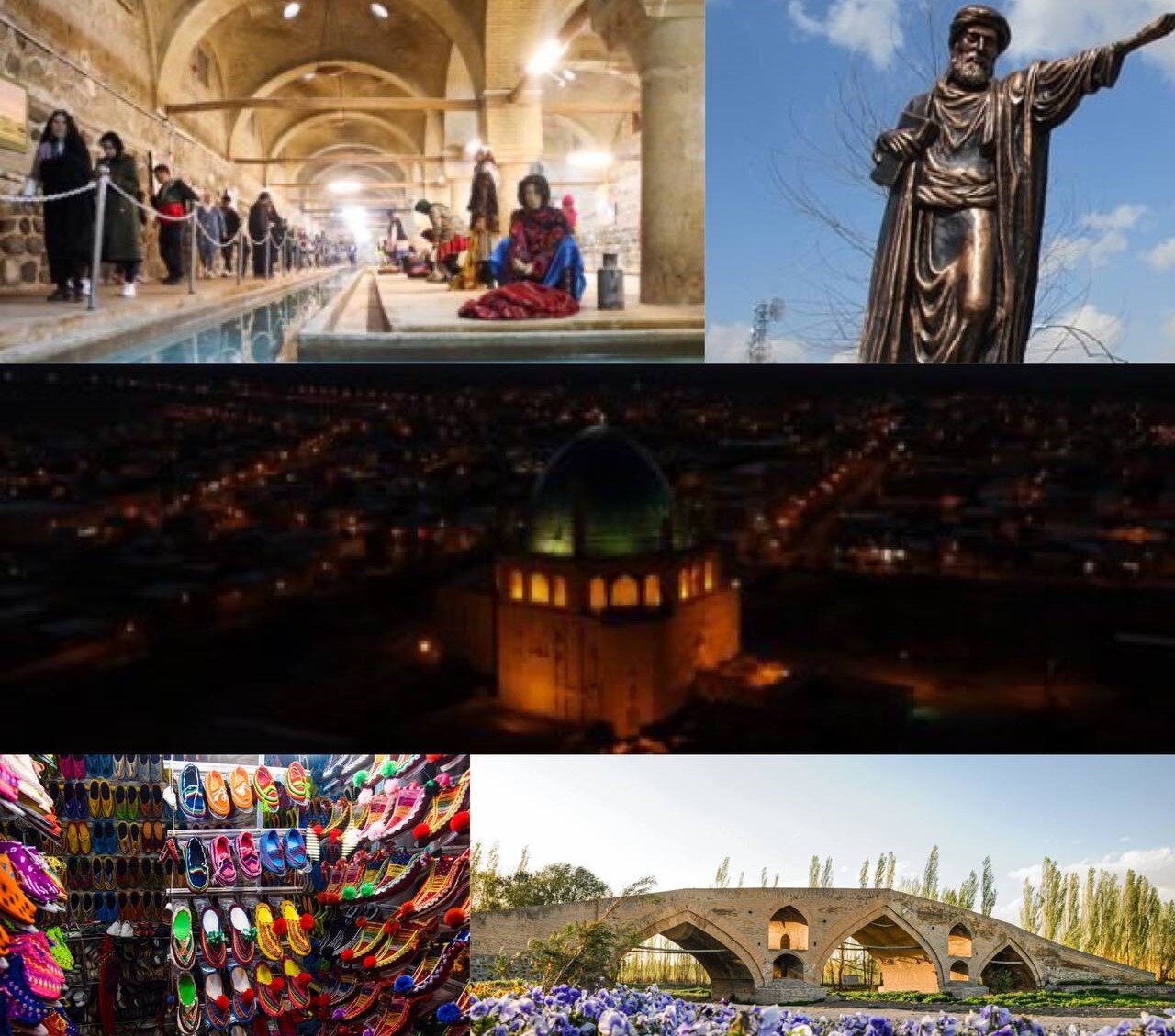
Introducing Zanjang
Located on the Commercial Silk Road and the Transitway in Iran and Europe, Zanjan is 338km from Tehran and is a strategic city in that it links Iran’s central parts, west and northwest.
Zanjang is a mountainous region, and its climate is characterized by cold, snowy weather in the mountains and moderate climate in the winter plains. In summer, the weather is warm.
Zanjan, the world city of Filigree
Zanjan has been designated as the “Filigree World Cities” by the World Crafts Council.
Filigrees are made up of knits of curls, twisted or fine, flexible metal yarns (particularly silver) that are soldered on metal foundations at points in contact with each other.
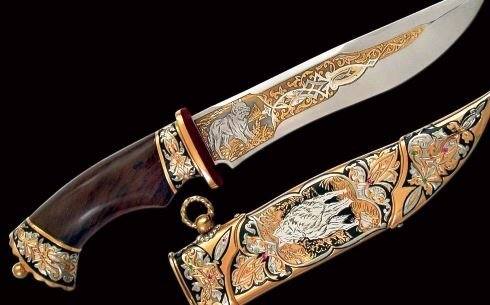
Handmade knife
Zanjang’s stainless steel handmade knife is well known in Iran due to the fine patterns on the handle and lining.
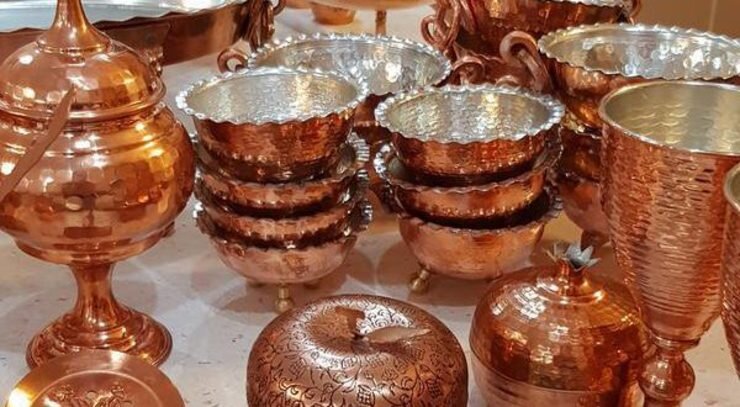
Copper Smith
The outstanding Copper Smith Craft has a long and sparkling history in Zanjan, featuring a specific motif engraved on a variety of copper products. The history of Zanjang’s copper crafts dates back over a thousand years and back to the Sassanid period.
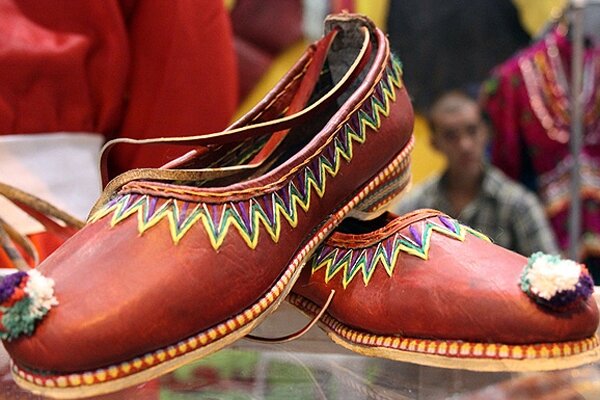
Traditional CharOOQ footwear
Made of leather, CharOOQ is a handmade shoe that was a kind of ancient Zanjang shoes, but today these beautiful multicolored shoes have gained decorative use among people. CharOOQ footwear also came from the city of Soltanier in Zanjan during the Sassanid period.
When it comes to tourist attractions, Zanjan is one of the best places in Iran, and its nature, history and culture attracts many tourists and tourists every year.
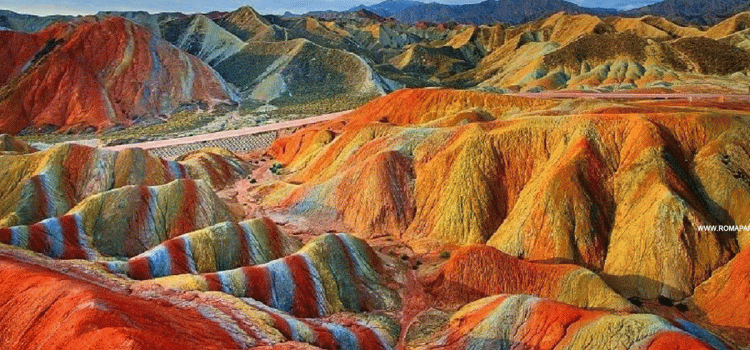
Colorful mountains of Money Shan
While traveling to the west of Zanjang, unusual colorful mountains and clay hills of red, brown, green, orange, yellow and white catch everyone’s eyes.
The breathtaking views of these mountains are also a great choice for photographers and mountaineers.
Located in Mahesheshan County in Zanjan, these incredible mountains are called “Ara Doug Ra” by locals.
Soltanier’s Dome
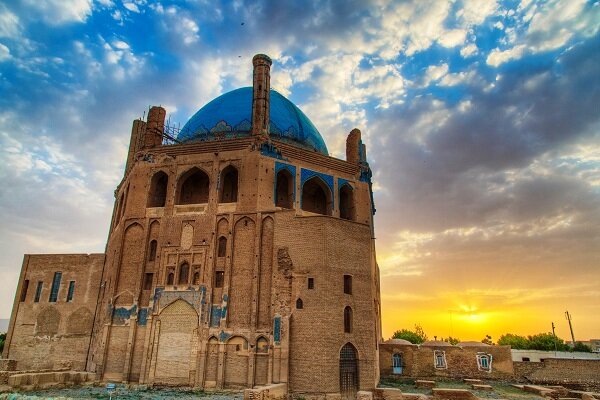
Back 700 years ago, the Soltanyer dome is one of the state’s most exceptional and famous Islamic sites commissioned by Sultan Mohammad Kodabande (Orjeit) of the old city of Soltanyer, Zanjan, the capital of dolphins, from 1302 to 1302 to 1302.
The historic and spectacular building at Soltangier’s Dome is the world’s largest brick dome and the third tallest dome in the world, being listed on the UNESCO World Heritage List in 2005.
Katalehkhor Cave
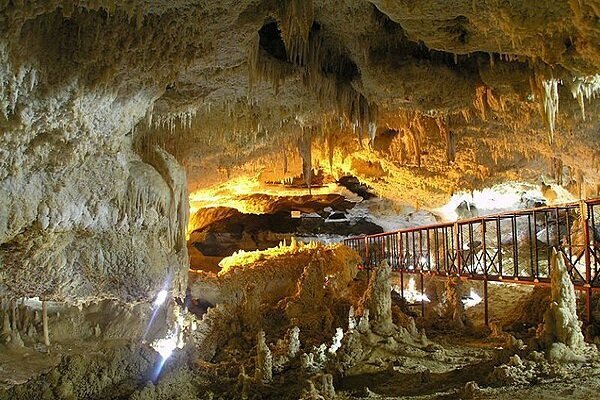
Going back to the Jurassic period (120 million years ago), Catare Hall Caves, located 155 km southwest of Zanjan, is one of the favourite destinations for people traveling to Zanjan.
The formation of masculinity and stalagms that are added to the beauty of this cave, calcified precipitation, hanging silks from the roof, and multicolored cone-shaped hangings.
In the large passageway, constant water trickle brought about a beautiful design and a presence of a prominent shape. Although it has a prominent shape similar to multicolored cauliflower (it is similar to the same due to the presence of calcified materials), some crystals are clear.
Researchers also discovered a strange route into the cave. This indicates that Qatar Hall is connected to Ali Sadr Cave in Hadandan Province at a distance of 100km.
Zanjan Anthropological Museum (Rakhtshurkhaneh)
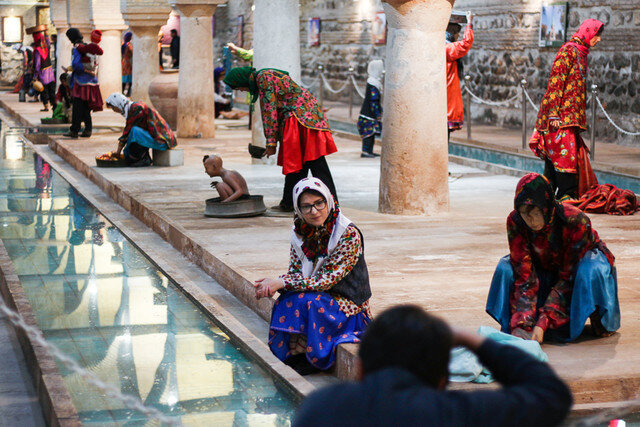
The historic buildings at Zanjan Wash House are dubbed locally with Lakshuihane and lie in the historic texture of Zanjan city, built in the near 20th century during the Kajal period.
In ancient times there were no washing machines, so most people in Zanjang went to the river to wash their clothes and dishes. Therefore, women washed their home clothes in closed spaces and built free of charge during the harsh winters of that era.
Now, Rakhtshoooy Khaneh transforms into anthropological museum, and in ancient times you can find sculptures of the people of Zanjan. These sculptures hold laundry equipment and in the old days wear local clothes of the Zanjan people.
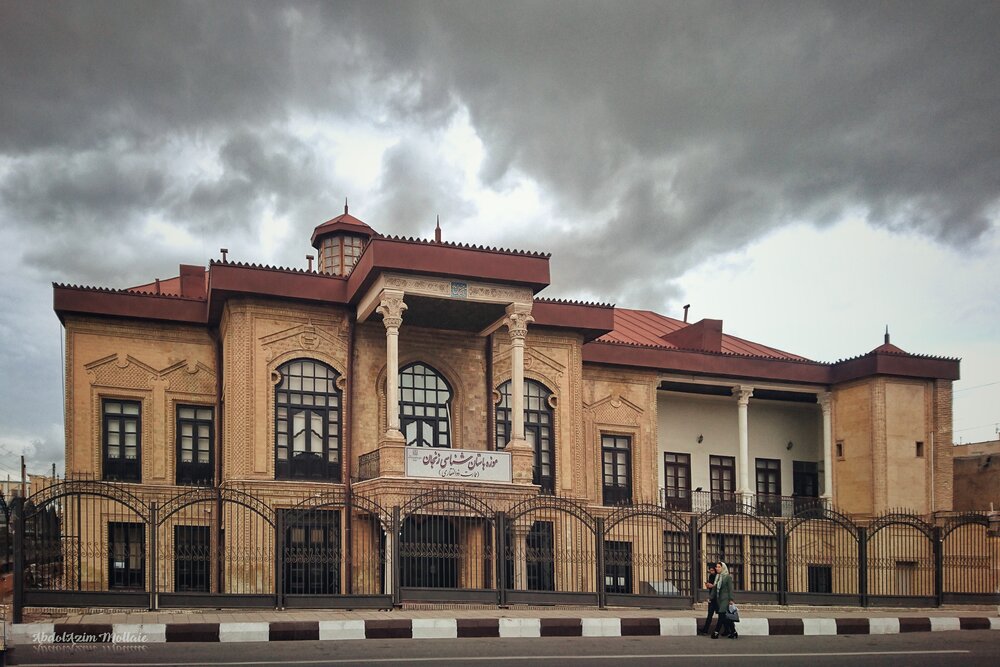
Archaeology and the Saltman Museum (Zolfaghari Mansion)
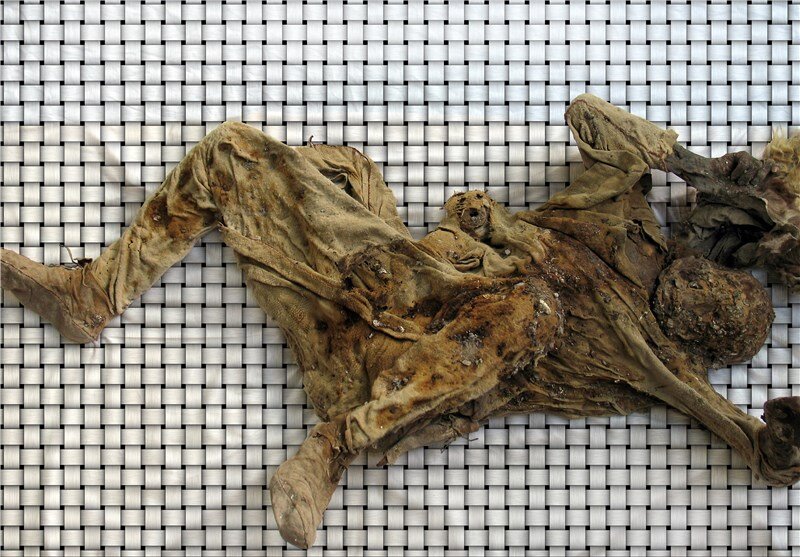
Six mummies were found at the Cherabad Salt Mine in South Zanjang in 1993. Salt-hardened mummies (from the days of Achemenid and Sassanid) were actually ancient corpses killed or crushed in caves, mummified in extreme conditions, with hair, flesh and bones all preserved by the dry salts of the caves, as well as internal organs such as the stomach and colon.
One of the mentioned saltmen was transferred to the Iranian National Museum in Tehran (all of which are publicly visible), the last saltmen remains in existence, half stuck in a mountain of salt.
The other four salt-cured mummies are kept at Zanjan Archaeological Museum, known as the Solfahari Mansion, in the heart of Zanjan city, along the north side of Sabze Meidan Square.
Zanjang’s Historic Bazaar
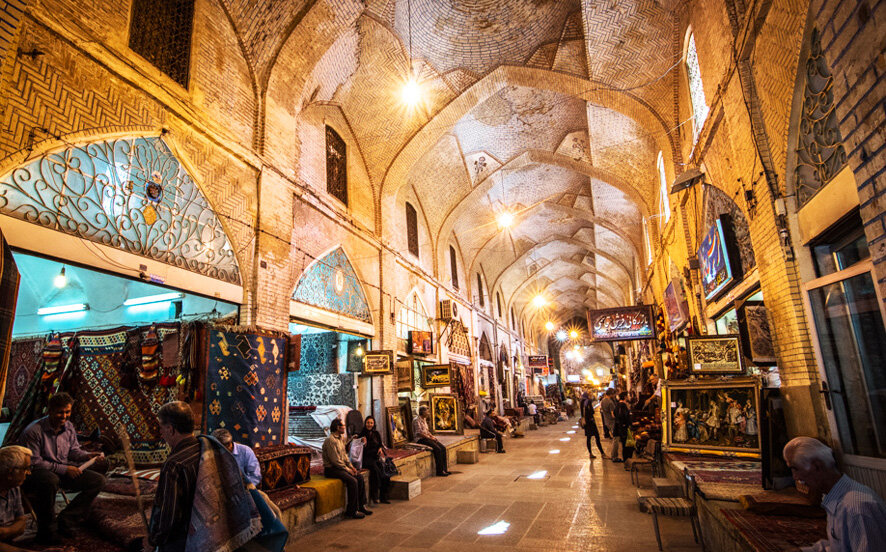
The traditional Zanjan bazaar was founded in 1784 under the direction of Aqa Mohmmad Khan Qajar and completed in 1792, the longest covered market in Iran.
The bazaar consists of two parts: Bazaar e Bazaar (Upper Bazaar) and Bazaar e Peyen (Bottom Bazaar), divided into sections that differ depending on the occupation and product.
Two mosques, namely Aqa Sheikh Fayyaz Mosque and Mirza Mosque, two caravan saries of Serai Malek, and two public buses, Serai Golshan and two public buses, are also present in this bazaar.
Reported and edited by Marzieh Rahmani