
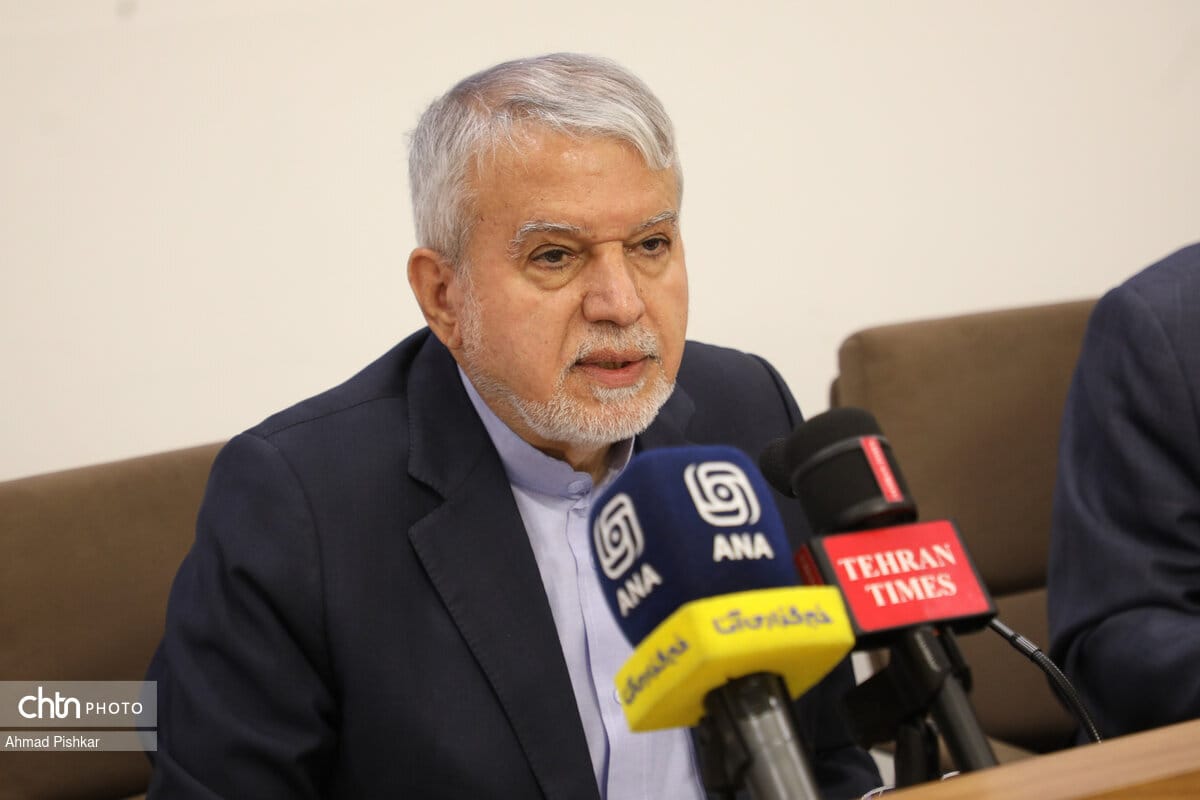
TEHRAN – The Ministry of Cultural Heritage, Tourism and Handicrafts of Iran held a press conference on Tuesday, outlining the recent achievements of cultural preservation, international heritage registration and domestic restoration projects, highlighting cooperation with overseas and neighboring countries.
Regarding the “immense” potential of expatriates, Reza Salehi Amiri, Minister of Cultural Heritage, Tourism and Handicrafts, highlighted the government’s commitment to strengthening relations with Iranians living abroad.
“One of President Masoud Pezeshkian’s main concerns is to strengthen relations with the Iranian diaspora. We have taken important steps and now we aim to leverage our scientific, cultural and economic capabilities,” he said.
Salehi-Amiri highlighted the establishment of a Supreme Council of Iran overseas, as expert committees are active, including the Ministry’s responsibility for tourism and Iranian research. “Our approach is paternal, support and building trust,” he adds, focusing on efforts to develop a sense of belonging among Iranians around the world.
He also announced the formation of a special committee in that regard. It aims to help younger generations of Iranians reunite with their heritage through the opportunity to experience the culture of their homeland.
Internationally, Salehi-Amiri addressed Rumi’s poetic work, the UNESCO collaborative file of Masnavi. “Turkey initially advocated priorities due to the old manuscript and the location of the school in Rumi in Konya,” he said. “UNESCO recommended co-registration, which agreed to avoid cultural conflict and benefit from shared heritage,” Salehiamiri added that Afghan inclusion was accepted due to the importance of Balhu in Rumi’s life, resulting in a trilateral file as Masnavi’s shared cultural heritage.
Regarding domestic restoration, Salehi-Amiri spoke about his efforts at Sialk and Dehdasht. This is a historic location that requires community participation in the reallocation and preservation of land for its owners. “We have negotiated with the Ministry of Transport and Urban Development, provided compensatory land, and by the end of 2026 we are working with local governments and residents to complete the restoration project,” he said.
Deputy Minister of Cultural Heritage Ali Dharabi reported an increase in registered cultural sites and museums. “The number of museums has increased from 725 to 856, reflecting the expanded cultural infrastructure,” he said. He also said that 29 sites (or collective sites) are currently listed on the UNESCO World Heritage List.
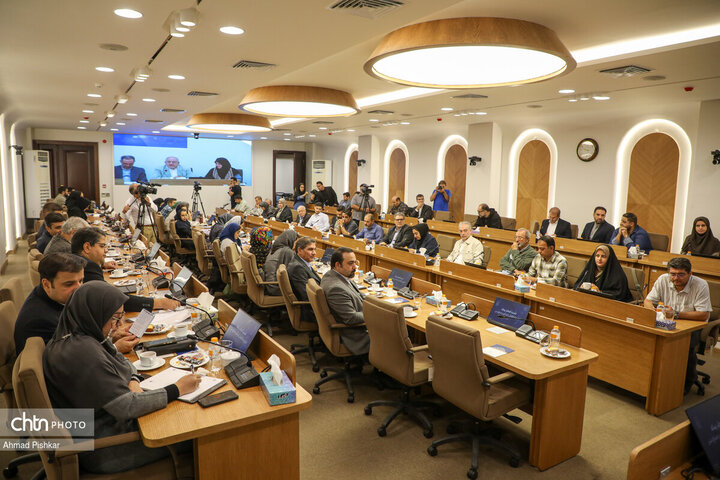
“The 673 real estate heritage sites are registered nationally with the aim of 950 by the end of the current development plan.” Dharabi also mentioned the ongoing work to define the protected boundaries of the historic site and work with other ministries to compensate property owners.
Deputy Minister of Tourism Anoushirvan Mohseni-Bandpei reported that nearly 400 tourist events and festivals have been held nationwide this year. “We aim to leverage the capabilities of all states, not just major cities like Isfahan and Mashhad,” he said. He highlighted new initiatives that include soft loans to strengthen the designation of the three villages as community and model tourism villages.
Deputy Minister of Handicrafts Mariam Jalali de Dakordi emphasized the role of rural exhibitions and decentralization policies. He noted on ongoing exhibitions and restoration projects, including the reopening of the restored buildings in Zahedan as a handicraft site.
She discussed the upcoming national exhibition in Aldaville with the Vice President of Science and Technology and collaborations with major development projects in Isfahan and Sistan Balchestan.
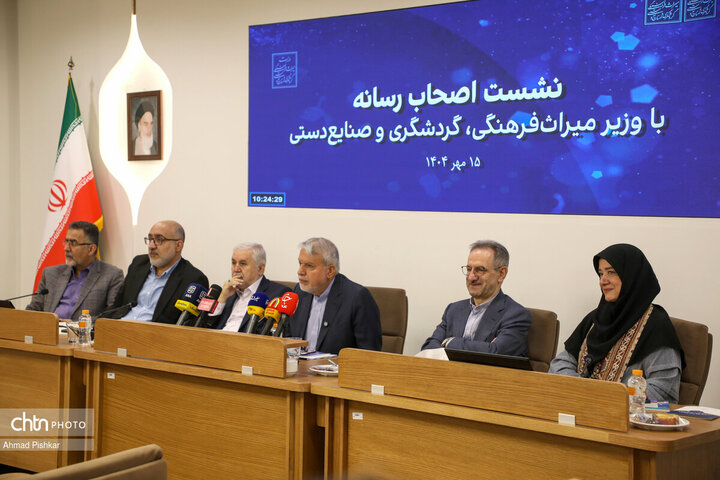
Cultural advisor Mohamed Javad Hakshenas spoke about the importance of Mephelgan’s celebrations, calling it “a wonderful festival passed down from our ancestors, symbolizing gratitude.” He noted the increasing visibility of the festival’s media and the ministry’s efforts to include Meghan along with Novrus in the national cultural calendar. He also announced the formation of a cultural council within the province to coordinate cultural activities and revive national and religious traditions.
Available data suggests that approximately 7.3 million foreign tourists ended the past Persian Republic on March 20, 2025. This ended on March 20, 2025. As stated by Mosenibandpee, the data is based on an internationally recognized definition of tourism, categorizing whether they are staying at least one night as a traveler, and whether they are staying as an Iranian foreigner.
The Islamic Republic expects to reap jackpots from many tourist attractions, including bazaars, museums, mosques, bridges, baths, madrasas, spirits, churches, towers, and mansions.
morning