
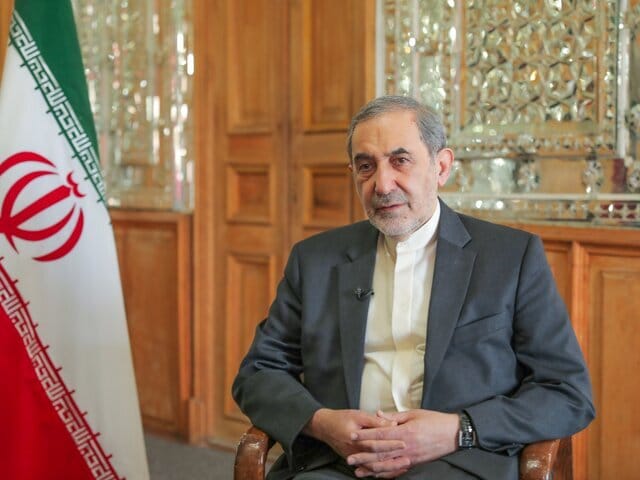
TEHRAN – Ali Akbar Velayati, International Affairs Adviser to the Leader of the Islamic Revolution, said the world is moving away from a unipolar system dominated by the United States towards a fair and balanced multipolar order, signaling the end of American global hegemony.
“The era of American unilateralism is over,” Velayati said on Tuesday, stressing that the emerging power rejects U.S. attempts to reshape the international landscape and impose its will. He added that despite its efforts, the United States faces a crisis of legitimacy not only in the Middle East but also across Latin America and East Asia.
He said Washington still approaches world politics with a colonial mindset and seeks to maintain influence in a region it once considered its “backyard.” “President Trump even went so far as to describe Canada as America’s 51st state,” Velayati recalled, adding that this attitude showed continued American arrogance.
Velayati said the illusion of a unipolar world disappeared soon after the Cold War, as independent states began to resist US domination. Under President Vladimir Putin, Russia has reasserted its sovereignty and fought back against Western aggression, while China’s rapid economic growth and balanced diplomacy have positioned it as the core of a new international order.
“The growing partnership between China and Russia, especially through frameworks such as the Shanghai Cooperation Organization and BRICS, represents a strong Eastern Axis that counters American unilateralism.”
Velayati said the US government’s global influence has been diminished by its interventionist and coercive policies. He said the United States is trying to reestablish a foothold in regions such as South America, the Middle East and South Asia to counter the rise of Eastern Bloc countries. He added: “The US is trying to put pressure on Pakistan and India to expand its presence near strategic locations such as Gwadar port, which is close to Iran’s Chabahar port.”
Referring to the Gaza war, Velayati said the US call for a ceasefire was not driven by concerns for civilians, but out of fear of losing influence among Arab governments. “President Trump’s stance on Palestine reflects America’s policy of trading power for principle.” “Washington’s relations with Arab states are purely transactional, and support for the Zionist regime is motivated by political and electoral interests.”
He added: “The Palestinian cause is not for sale. The countries of the region have woken up and the fight for justice will continue despite American and Zionist pressure.”
Velayati said new multilateral organizations such as BRICS have laid the foundation for a world based on justice, cooperation and mutual respect. “The resilience of the Russian economy during the Ukraine conflict, in part due to concrete support from China, shows that the balance of power is changing,” he said. “The new world order will be defined by independence and equality, not domination.”
Mr. Velayati concluded his remarks by saying that the Islamic Republic of Iran plays an important role in shaping this emerging order through its independent foreign policy and resistance to hegemony. “Today’s world is different. Countries are waking up and emerging powers will not allow unilateral domination to return.”
He reaffirmed Iran’s determination to support resistance movements and protect the sovereignty of regional countries. “Iran stands with the oppressed and stands against the aggressors,” Velayati said. “Western countries accuse us of interfering while openly intervening in the affairs of countries like Lebanon and Syria.”
“The actions of the United States and its allies are aimed at weakening Lebanon’s national identity and replicating the chaos they created in Syria,” he warned. “Hezbollah’s Islamic Resistance Movement is the only force standing against this invasion, and Iran’s support for it is a defense of Lebanon’s sovereignty.”