
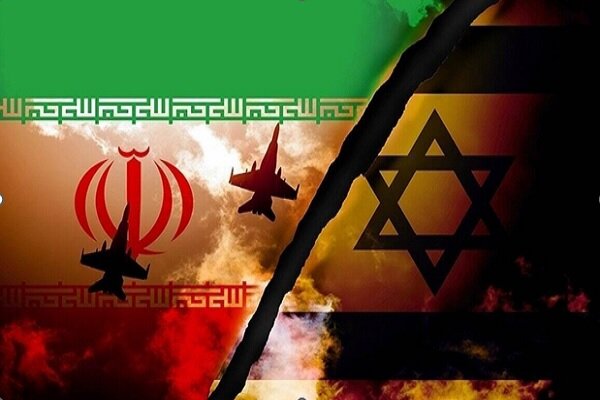
It has not long since the ceasefire was established after a 12-day war between Iran and the occupied Zionist regime. The war ignited by Israeli attacks on Iran was concluded only after Iran’s decisive resistance and a catastrophic retaliatory strike.
Most international observers, analysts and even polls claim that Iran has won the 12-day conflict.
However, a notable concern in the aftermath of the war is the argument that Israel may still be seeking a new conflict with Iran, and that the ceasefire is a window into which the Zionist regime can lick their injuries and prepare for future hostility. Israeli officials such as Prime Minister Benjamin Netanyahu and the Minister of War Israel Katz have publicly issued threats to Iran using exaggerated rhetoric to create psychological pressure and anxiety among the Iranian people.
However, such efforts must fail. If anything, Israel’s recent attacks have helped the Iranian people to unite stronger than ever before. Despite the current lull, three key challenges stand firmly in hampering Israel’s potential attempts to renew a new adventurism against Iran.
1. Global and regional public opinion will resist Israeli invasion
A new military attack by the Zionist regime on Iran could spark widespread backlash from civil society and political movements around the world, not just from the local population.
In recent memory, Israel’s belligerent nature is not seen so naked to the world’s audience. Such obvious attacks will bring about all forms of support for Israel, which is politically expensive for governments around the world.
Even the United States, Israel’s major ally, will face serious obstacles when it comes to openly alignment with another Israeli attack. Clearly, a new attack on Iran has allowed Israel to rapidly remake as a rogue actor at the international stage. It’s a violent and unnecessary destroyer. That is not a role that the Zionist regime is ready to embrace, especially amidst the growth of isolation.
2. Iran is no longer vulnerable to surprising attacks
During Israel’s recent attack, it struck Iran under very suspicious circumstances. Just as diplomatic negotiations were underway between Iran and the United States, the attack was widely viewed as coronavirus and opportunistic.
However, such tactics are no longer successful. Iran is now fully wary, and its forces are ready to offer quick and decisive retaliation. Iran owns wide and deadly advanced missiles and military technology, far beyond what was deployed in the last conflict. Analysts believe that Iran’s strike during the 12-day war was carried out using military technology developed 15-20 years ago.
The Zionist regime is well aware that Iran has not yet used its full military potential, and that new attacks could trigger a more deadly response. This dramatically changes Israel’s strategic calculations.
3. The Israeli masses are no longer buying Netanyahu’s motivations
More and more Israelis are beginning to realize that Netanyahu’s war is not about national security, but about maintaining his grip on power. There is growing awareness that the war with Israel will write about disasters, and could bring the Zionist regime back to the Stone Age.
MNA