
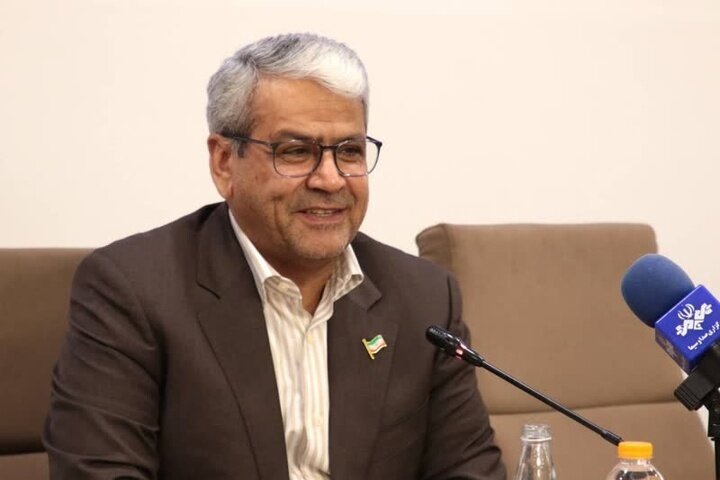
Tehran – Cabinet Secretary Seid Kamel Takavi Nejad said today that tourism is not only an industry, but also one of the effective tools for Iran’s economic and cultural diplomacy.
He said targeting support for semi-finished projects in the tourism sector is a priority for government planning, the IRIB reported.
He points out the effective position of the Ministry of Cultural Heritage, Tourism and Handicrafts in the country’s economic structure, and the membership of the ministry’s ministers in the main economic committee of the government shows the strategic view of the weight of this ministry in the new geometry of the country’s economic decision-making and the weight of this ministry.
The formula praised the increase in tourism status in national decision-making and the pivotal role of the Minister of Cultural Heritage in promoting the sector, stressing that “there is no meeting in governments where tourism demands are not heard or priorities in this sector are not on the agenda.”
Referring to the prominence of the tourism sector in the structure of government, “This sector has become one of the most sounding, demanding and influential pillars of the decision-making process. The voice of tourism is loud and clear today, to hit the road.”
Taqavi-Nejad emphasized that tourism has a privileged position in the government’s macro policy system, saying, “This industry not only plays a role in economic growth, but also plays a role in strengthening social connections, promoting cultural interactions, and even opening the doors of political diplomacy. A balanced way.”
He pointed to the great potential of foreign tourism, and said that Iran relies on its ancient civilization, rich culture, unique natural and historical resources, and could become a regional and global hub for the tourism sector.
He also addressed the sector’s financial and banking challenges, mitigating the grant of banking facilities, removing tax obstacles and targeted support for unfinished infrastructure projects in the tourism sector is not only a need, but also a clear priority in government planning.
Taqavi-Nejad mentioned the government’s special mechanisms in recent important situations, and during the 12-day Israeli war with Iran, the government delegated special powers to the ministers, forming four specialized working groups to ensure the process proceeds more quickly and consistently.
The goal was to solve problems between the public and private sectors with a fostering approach, he said. On this path, the government will help give up on itself and strengthen the non-governmental sector, he added.
KD