
TEHRAN – The United Nations Security Council held an emergency meeting on Friday at the request of the Venezuelan government following a U.S. speedboat attack off the coast of Venezuela that killed at least 21 people in a month. Security Council members expressed concern about escalating tensions between the United States and Venezuela and called for dialogue to resolve the conflict.
Venezuela’s request for an emergency Security Council meeting came a day after U.S. Senate Republicans rejected a bill that would have curbed President Trump’s ability to use deadly military force against Venezuela under the pretext of so-called drug trafficking.
Venezuela’s Ambassador to the United Nations Samuel Moncada said the United States’ “belligerent actions and rhetoric” would lead to “an armed attack against Venezuela.”
Esmail Baghai, a spokesman for the Islamic Republic’s Ministry of Foreign Affairs, issued a statement on Friday condemning the US military’s attack on fishing boats in the region. He called the actions “provocative and destabilizing” and warned of the consequences of Washington’s lawlessness.
At the Security Council meeting, Russia and China also condemned the growing military presence in the Southern Caribbean.
Russia’s special envoy to the United Nations, Vasily Nebenzia, said Venezuela “has been under unprecedented pressure and threat of military aggression in recent months.”
China’s UN special envoy Hucong called the US military project “unilateral and excessive” and called on the US to immediately halt related actions to avoid escalation.
President Trump cancels negotiations
Presidential envoy Richard Grenell has been leading negotiations with Venezuelan President Nicolas Maduro and other Venezuelan government officials.
Grenell tried to work out a deal that would avoid a larger conflict and give American companies access to Venezuelan oil, the New York Times reported.
In a meeting with senior military officials on October 6, President Trump instructed Grenell to cease all diplomatic activity with Venezuela.
Experts believe the decision to suspend diplomacy suggests that the United States plans to expand its military options for some type of regime change operation.
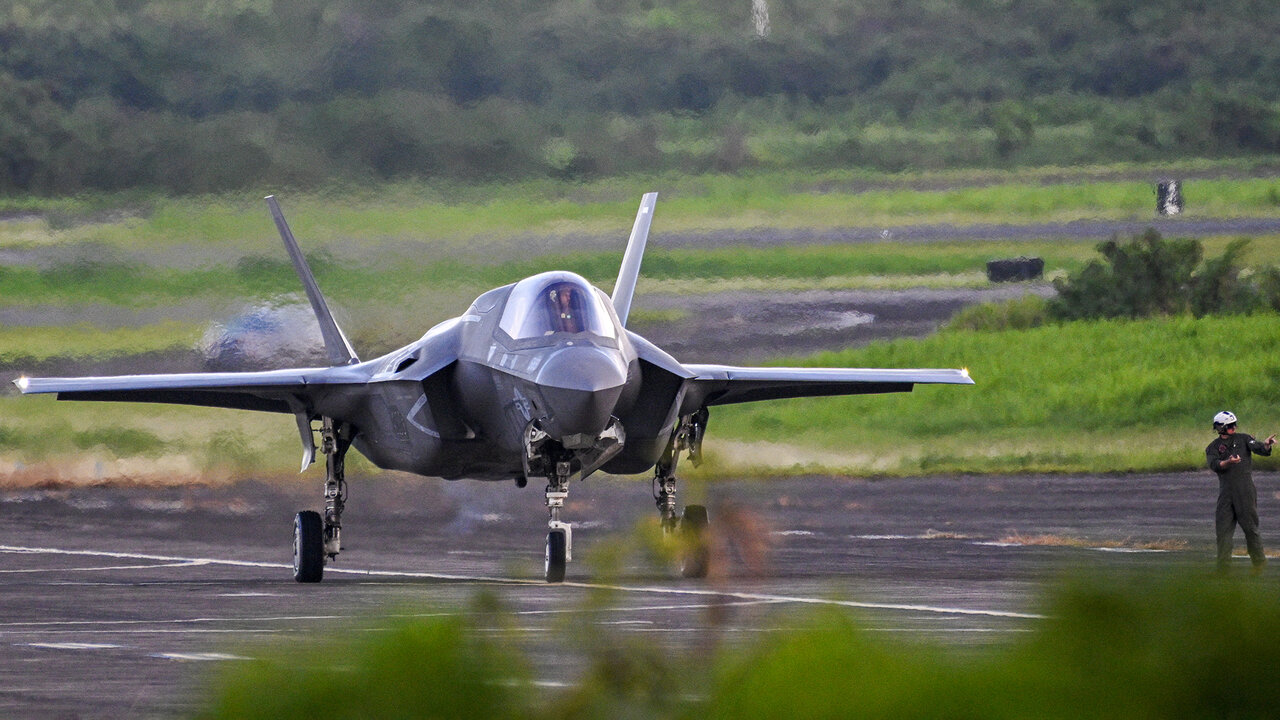
President Trump has ordered a major naval buildup off Venezuela’s Caribbean coast in recent weeks. He placed three U.S. destroyers, an amphibious assault ship, a guided missile cruiser, a nuclear attack submarine, and a squadron of F-35s on Venezuela’s doorstep. Given such a large military buildup, the question is whether President Trump plans to overthrow the Venezuelan regime. Drug seizure operations do not require such backup.
In America’s urban “war zones,” President Trump has deployed troops to Memphis, Chicago, and Portland (after Los Angeles and Washington, D.C.). A military raid on a Chicago apartment complex last week targeted Torren de Aragua, a Venezuelan gang that President Trump claims is run by President Maduro.
Venezuela is far from a major drug supplier to the United States. But Trump and his “Secretary of the Army” Pete Hegseth claim America’s opioid epidemic is being fueled by Venezuela.
None of the fentanyl in the United States has been found to originate from Venezuela. Almost all are from Mexico. Colombia is the largest source of cocaine in the United States.
Every time a Venezuelan ship is blown up, President Trump claims he saves 25,000 American lives. Last year, 54,743 Americans died from opioids. President Trump has insisted on a much higher number of 300,000.
President Trump and Secretary of State Marco Rubio are seeking a change of government. Both recognize that Venezuela has the world’s largest proven oil reserves.
U.S. Attorney General Pam Bondi recently denounced Maduro as “one of the world’s biggest drug traffickers” and doubled the reward for his arrest to $50 million. Venezuela’s Foreign Minister Ivan Gil called the new bounties “pathetic” and denounced them as “political propaganda.”
As President Trump threatens to attack targets on the ground, Chavismo groups are recruiting citizens in case of a potential war. Most of the volunteers are supporters of the ruling party, the United Socialist Party of Venezuela (PSUV).
nobel peace prize
Meanwhile, Maria Colina Machado was awarded this year’s Peace Prize by the Norwegian Nobel Committee. Machado lost to Maduro in Venezuela’s presidential election in July 2024. She refuses to accept defeat and is living in hiding after her political campaign refuses to certify the election results.
The Iranian embassy in Caracas criticized the Nobel Committee for awarding the Nobel Peace Prize to Machado. IRNA reported that the embassy on Saturday called the Nobel Prize “nothing short of a mockery of the true meaning of peace” on its X account.
The statement added that Machado “justifies genocide in Gaza and advocates foreign military aggression against Venezuela.” Machado supported President Trump’s military actions in the Caribbean and urged him to cooperate in overthrowing President Maduro.
In his last public appearance in Caracas, Machado told the Guardian he believed Maduro’s days in power were numbered and that “his departure is irreversible.” More than a year after her statement, Maduro remains in power and maintains support from Venezuela’s military and major international backers, including China and Russia.
The stage is now set for a performative Trump war.