
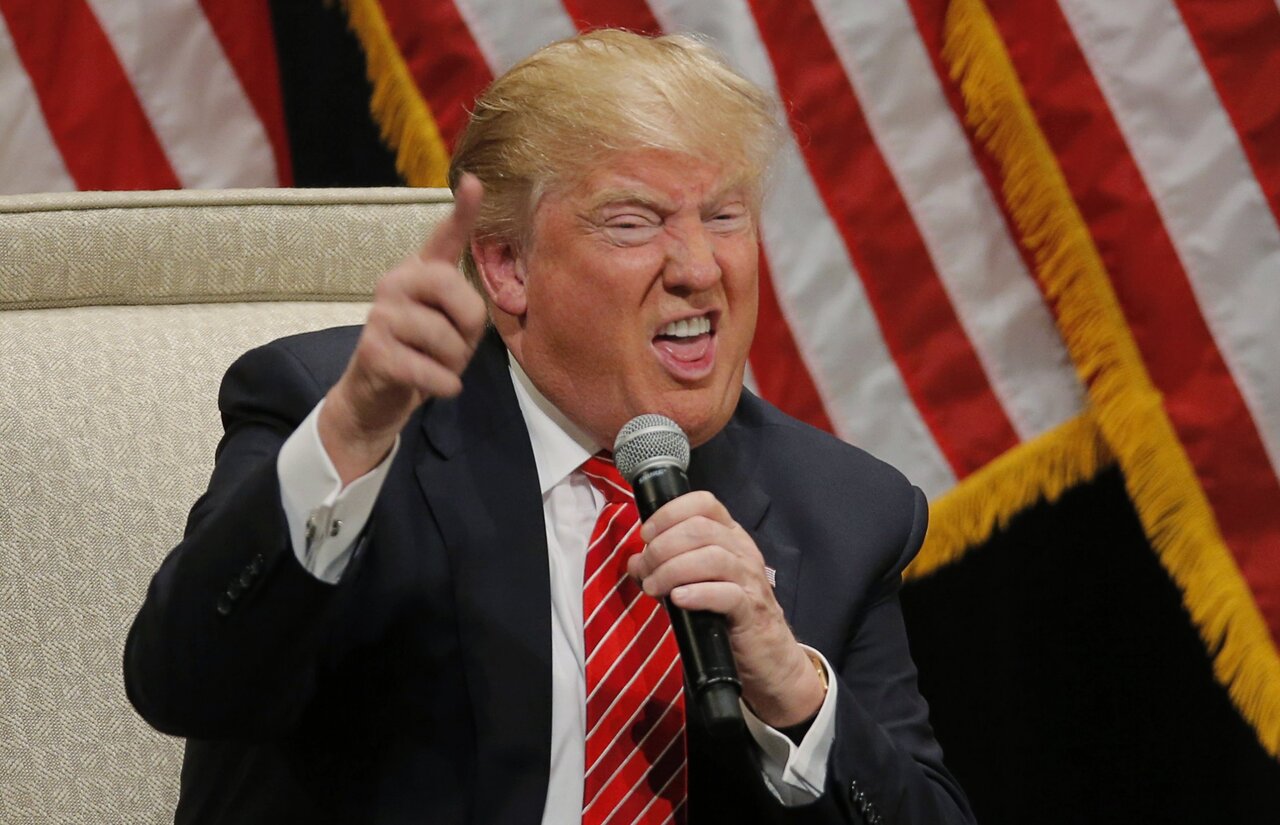
At a White House event on Friday, he signed a law that signed the Cryptocurrency Act, where Trump accused BCRICS countries of attempting to undermine the US dollar’s global domination.
“When I heard about BRICS, this group of six countries, I was basically a hit very hard, and if they were formed in a truly meaningful way, it would end very quickly,” Trump said without naming the country. “We can’t play games with us anybody.”
He also said he was committed to preserving the global status of the dollar as a reserve currency and pledged to not allow the US to create a central bank’s digital currency.
Trump announced the new tariffs on July 6, saying it would apply to countries that are consistent with what the BRICS Group calls “anti-American policies.”
“Brick, they wanted to take over the dollar, the dollar control, the dollar standards,” he said.
Forums such as the G7 and G20 groups in major economies that are hindered by the sector, and Trump’s destructive “America-first” approach have shown the BRICS Group as a paradise for multilateral diplomacy.
Since issuing the threat, Trump has repeatedly argued without evidence that the group was established to undermine the role of the dollar as a reserve currency for the US and the world.
Brazil in February rejected plans to promote a common currency during this year’s presidency, but the group is moving forward with a cross-border payments program known as BRICS Pay, which promotes financial transactions and trade in local currency.
The BRICS group expanded last year beyond Brazil, Russia, India, China and South Africa, including members from Indonesia and Iran. The leaders of the Brazilian group’s summit criticized the US military and trade policy.
Citing Brazil’s “unfair” trade practices, Trump singled the South American country for additional penalties, including a 50% tariff on imports that began in August.
rhm/