
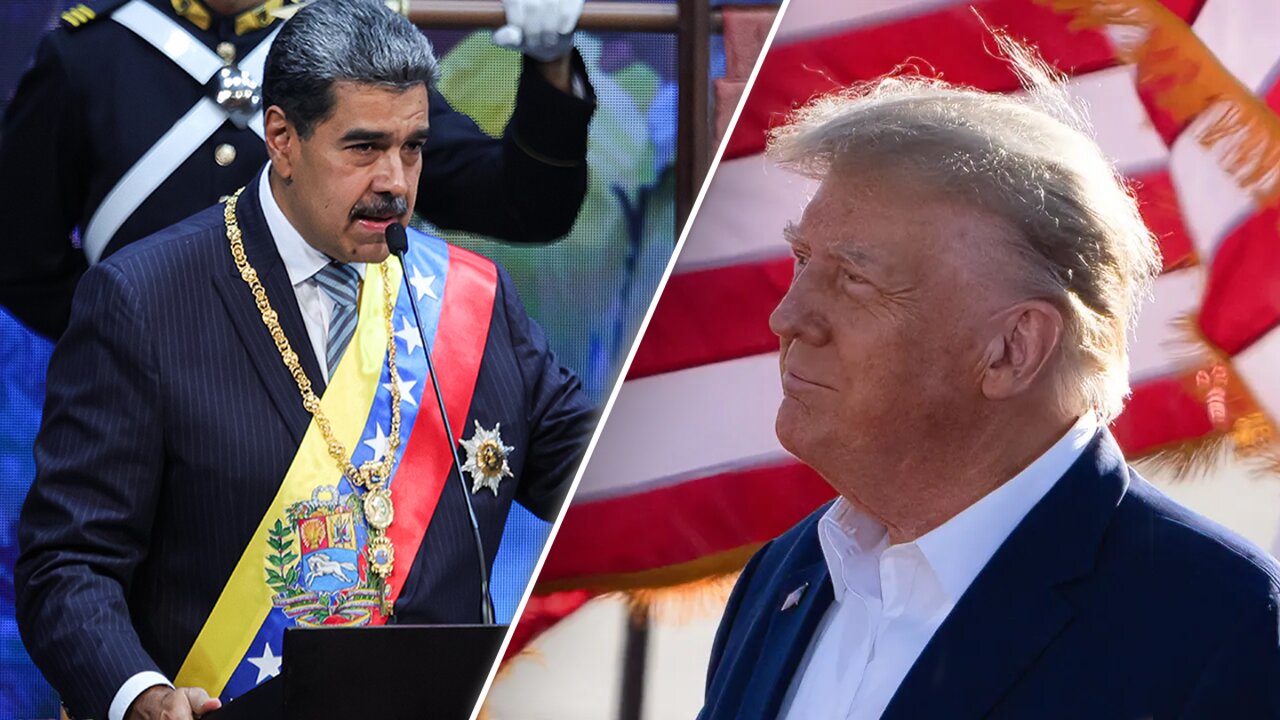
Venezuela stepped up its diplomatic pressure on the United States on Thursday, formally asking the U.N. Security Council to declare recent U.S. attacks in the southern Caribbean illegal and condemn what Caracas says is the CIA’s unprecedented authority to carry out covert lethal operations against the country.
A letter from Venezuela’s Ambassador to the United Nations Samuel Moncada accused the US military of attacking ships transiting civilian waters and international waters, killing 27 people.
But meaningful U.N. action is unlikely because the U.S. holds veto power in the Security Council, experts say.
The New York Times reported Wednesday that the Trump administration has secretly authorized the CIA to carry out covert operations in Venezuela, ramping up efforts against the country’s President Nicolas Maduro.
President Donald Trump confirmed the authorization on the same day, authorizing the CIA to act against Venezuela and saying he was considering the possibility of ground operations.
He justified the move by citing drug trafficking, claiming that Caracas was shipping criminals to the United States.
Speaking in Caracas on Wednesday, President Maduro said the U.S. government’s directive was a clear act of aggression and a clear recognition of his intention to change the regime.
Venezuela’s president said no previous U.S. administration had ever publicly ordered the CIA to “kill, subvert, or destroy countries” and denounced the authorization as an effort aimed at “assaulting the peace of Venezuela.”
He insisted that Venezuelans are “clear, united and aware” and vowed to defeat what he called “open conspiracies” against the country’s stability.
The Associated Press reported on Thursday about President Maduro’s purported plan to step down within three years and hand over power to Vice President Delcy Rodriguez.
Rodriguez immediately rejected the claim, writing, “Fake!!” He denounced this on Telegram as part of psychological warfare, but stressed that Venezuela’s leadership remains united.
Caracas’ diplomatic bid comes amid a major U.S. military buildup in the Caribbean, described by some news outlets as the largest since the 1980s, and repeated attacks on small vessels that Washington says are linked to drug trafficking.
Venezuela and several local governments strongly dispute the legal and moral basis of these operations, arguing that they amount to extrajudicial killings and violations of sovereignty.
The development has drawn criticism from the region. Colombian President Gustavo Petro warned of contagion risks and condemned any covert or ground action, while Cuban President Miguel Díaz-Canel posted a message of solidarity supporting Venezuela’s resistance to what he called imperial aggression.
Caracas has also moved troops to the Caribbean coast and mobilized militias, portraying the measures as defensive preparations against potential escalation.
For Caracas, the episode brings back long, painful memories of covert U.S. intervention throughout Latin America. This is the history that President Maduro has cited to argue that the U.S. government’s new official recognition is illegal and morally indefensible.