
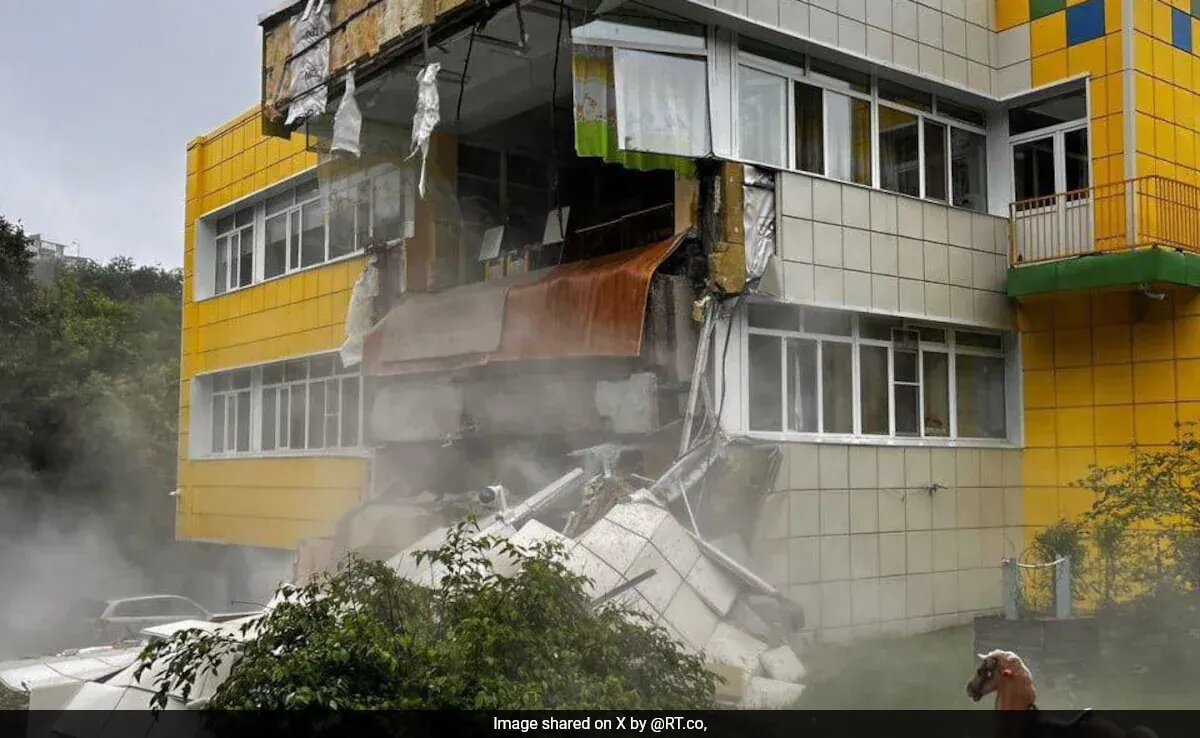
A strong aftershock followed the 8.8 magnitude earthquake, which struck Russia’s Kamchatka Peninsula on Wednesday, sparking tsunami alerts and evacuation orders in several Pacific coastal regions.
According to the Geophysical Services of the Russian Academy of Sciences, the earthquake occurred around 11:30am local time, about 136km southeast of Petropavlovsk-Kamchatsky, and was the strongest in the region since 1952.
The first tsunami waves arrived in Severokrilsk in the Northern Kuril Islands, washing away fish processing plants and flooding local ports. Waves of 3-4 meters have been recorded in the Erizovsky district of Kamchatka, and the Russian Institute of Oceanography said that waves near the epicenter in southeastern Kamchatka and North Krills could have reached 10-15 meters. All coastal areas have been evacuated.
In Japan, tsunamis were observed along the coast of Hokkaido. Authorities initially issued evacuation orders for more than 1.9 million people in 21 Pacific coastal prefectures, but later downgraded some to “low-level recommendations.”
The National Tsunami Warning Center has issued recommendations to the entire US West Coast and to parts of Canada and Alaska. Sea level rise has been reported in Oregon, Oregon and California, but no damage has been confirmed. In Hawaii, the initial warning was downgraded to advice, and the Pacific Tsunami Warning Center warns that changes in sea levels and strong currents could still put swimmers, sailors and people near beaches, harbors and marinas at risk.
Tsunami recommendations and alerts have also been issued in the Philippines, Guam, Chile, New Zealand and several other Pacific regions.
The US National Oceanic and Atmospheric Administration (NOAA) has released an interactive map showing the spread of tsunami warnings, recommendations and threats across Quake’s epicenter and the Pacific Ocean.