
Tehran – The second anniversary of Hamas’ surprising military operations in southern Israel rekindled global debates about its origins, consequences, and political meaning.
On one side, many analysts claim that the attack (Operation Al-Aqsa Storm) was attacked as a campaign that took over 67,000 Palestinian lives and left the majority of the abandoned lins as an excuse for Israel’s full-scale war. According to this view, without the operation, Israel would not have been able to justify the intentional hunger and humanitarian blockade that plunged Gaza into starvation.
Meanwhile, regional and international observer growth groups argue Hamas’ operations are not only inevitable, but historically transformative. They argue that the Palestinian cause once declined from the global agenda was revived by the events of October 7, 2023.
While Western media has spread the first narrative widely to frame Israeli military campaigns as defense, the second view deserves equal attention to understanding the underlying dynamics that led to the eruption of the conflict.
The root of necessity
For decades, Israel’s policy towards Palestinians has been defined by occupation, displacement and economic strangulation. Since 2007, the Gaza Strip has been subject to comprehensive land, air and sea blockades. The territory is often referred to as the world’s largest “field prison,” with over 2 million people denied freedom of movement and fundamental rights.
The October 2023 strategy must be understood against this background. Two days after Hamas’ attack, Israel announced a “total lockdown” in Gaza, cutting off food, water, fuel and electricity. This policy has led to unprecedented hunger and humanitarian crisis in recent memory. By August 2025, the Integrated Food Security Stage Classification (IPC), the world’s major authority on food crisis, confirmed that Gaza City was grabbed by hunger.
Palestinians suffered under lockdown for 16 years, but the operation exposed the full range of light-like forms to global audiences. It catalysed a sustained international protest and grassroots movement calling for an end to Western accomplices in Israel’s siege of Gaza.
Catalysts for global recognition
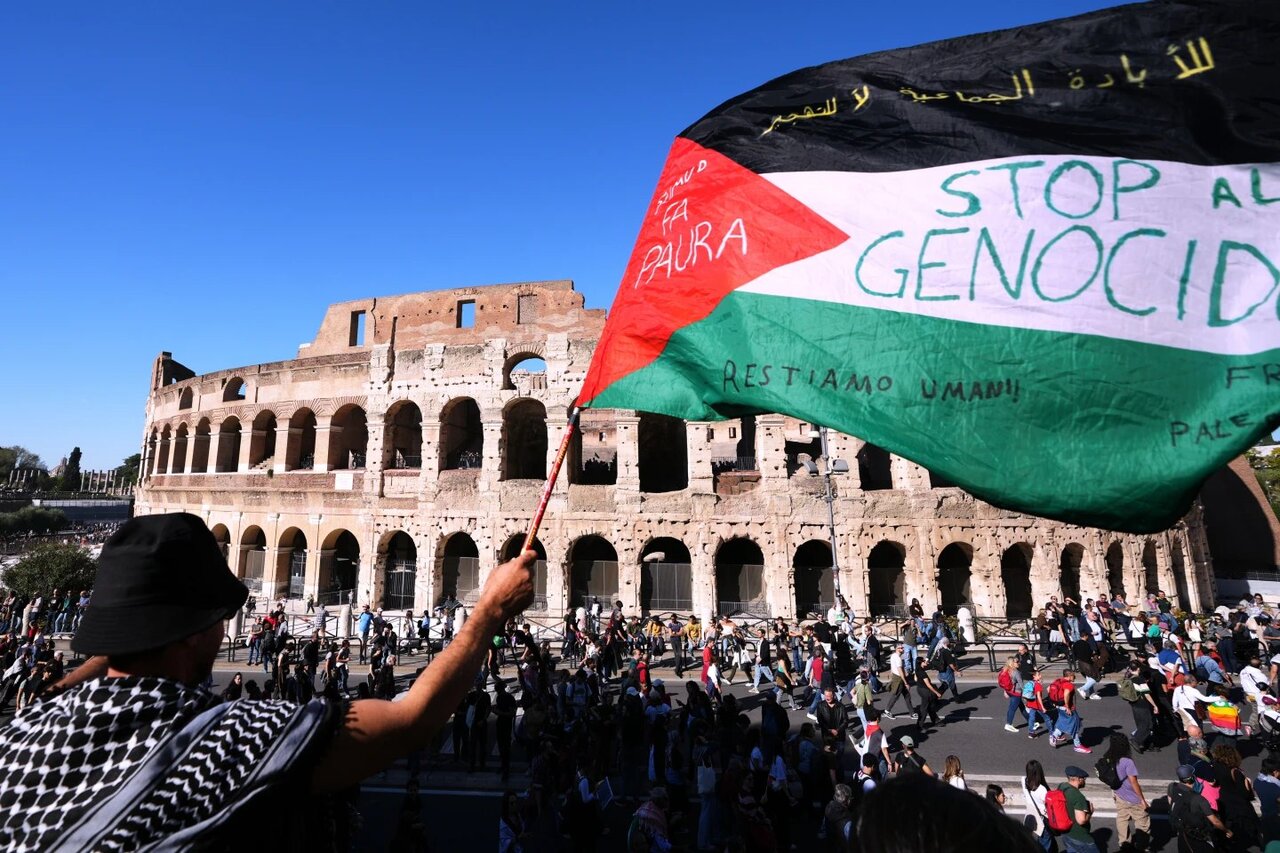
Before October 2023, the Palestinian cause had gradually retreated from an international focus engulfed in other regional and global crises. Operation Al-Aqsa Storm overturned that trend. The brutality of Israeli responses removed the air in real time across global media, ingesting waves of solidarity movements from Washington to Johannesburg, London, to Kuala Lumpur.
Over the past two years, millions have been marching in support of Palestinian self-determination and calling for an end to military and economic ties with Israel. This global change in consciousness is beginning to affect diplomatic stances. Several western provinces, which had long lined up with Israel, including France, the UK and Canada, moved towards recognizing Palestine as a province. Analysts argue that such developments may not have been realized without the new urgency created by the event on October 7th.
Expose local ambitions
The operation also lays the vision for the wider regional ambitions of naked Israel, particularly the “great Israel” that has long been debated in Zionist ideology. Prime Minister Benjamin Netanyahu publicly supports policies that reflect expansionist trends, assuming Israel covering some of its neighbouring countries such as Jordan, Lebanon, Egypt, Syria, Iraq, and even Saudi Arabia.
Operation Al-Aqsa Storm has confused this narrative of unidentified Israeli rule and revealed strategic resistance that continues to challenge Israel’s plans for territorial expansion.
Geopolitical radioactive fallout
The ongoing conflict has also restructured diplomatic initiatives. The 20-point Gaza ceasefire plan proposed by US President Donald Trump suggests that the resilience of Palestinian resistance constrains Israel’s ability to fully control the enclave.
If implemented, the plan would force Israel to withdraw from the wider regions of Gaza, turning its postwar ambitions back. Without the October 7th operation, Israel might have gradually tightened its territory under the guise of security. Instead, the operation highlighted the perpetual spirit of Palestinian resistance and its ability to change the dynamics of local power.
A critical moment in Palestinian history
Two years later, Operation Al-Aqsa Storm remains a fork in the Palestinian struggle. Its human costs are immeasurable, but it has changed global perceptions of Gaza’s suffering and rekindled international discourse about justice, sovereignty and resistance.
Whether seen as a tragic catalyst or an inevitable uprising, the manipulation has changed the trajectory of conflict. It assured the world that it was forced to confront the longstanding reality of occupation and lockdowns, and that the Palestinian issues could no longer be silenced or forgotten.