
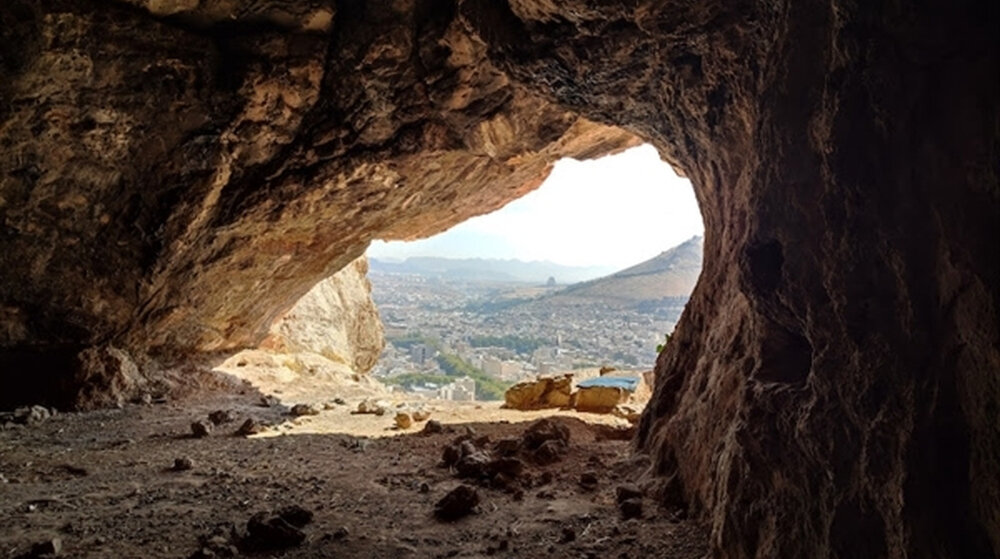
The decision came on Friday at the 47th session of the UNESCO World Heritage Committee in Paris’ French capital, marking Iran’s first mark.
This perception marks a major milestone in understanding the early human history of the Zagros Mountains.
The prehistoric cave dates back to over 60,000 years and is considered one of the oldest known human habitats.
The site, including the caves of Yafteh, Kaldar, Qomri, Konji and Gilvaran, is located along important travel routes used by early humans moving from Africa to Asia and Europe.
Anian officials say the area provides exceptional and widely documented evidence of human habitation dating back to the Paleolithic period and the Iron Age.
Following the announcement, Reza Salehi-Amiri, Minister of Cultural Heritage, Tourism and Handicrafts in Iran, described the list as an intellectual and cultural response to the Iranian phobia project.
He further called the achievement a milestone in Iran’s cultural diplomacy and a reflection of the country’s rich history of civilization.
Located in the western Zagros Mountains, the Horamabad Valley was an important cultural and ecological corridor between Mesopotamia, the Iranian Heights and Central Asia.
UNESCO experts emphasize the uniqueness of the site, saying that other locations with such ancient, verified human settlements are not globally recognized.
The nominations represent the results of extensive interdisciplinary research and collaboration between Iran and international experts over the years.
New inscriptions from Iran add to a group of famous countries including the Vetser Valley in France, the Altamira Cave in Spain, the Martial Arts Cave in China, the Sangiran in Indonesia, and the Bin Betka in India.
For the international archaeological community, recognition of Khorramabad’s prehistoric site is not only a significant academic achievement, but also a major cultural milestone.
The region now justifies its place in the world’s human evolution, linking the continents, timelines and species of one valley that have witnessed more than 60,000 years of human history.
rhm/