
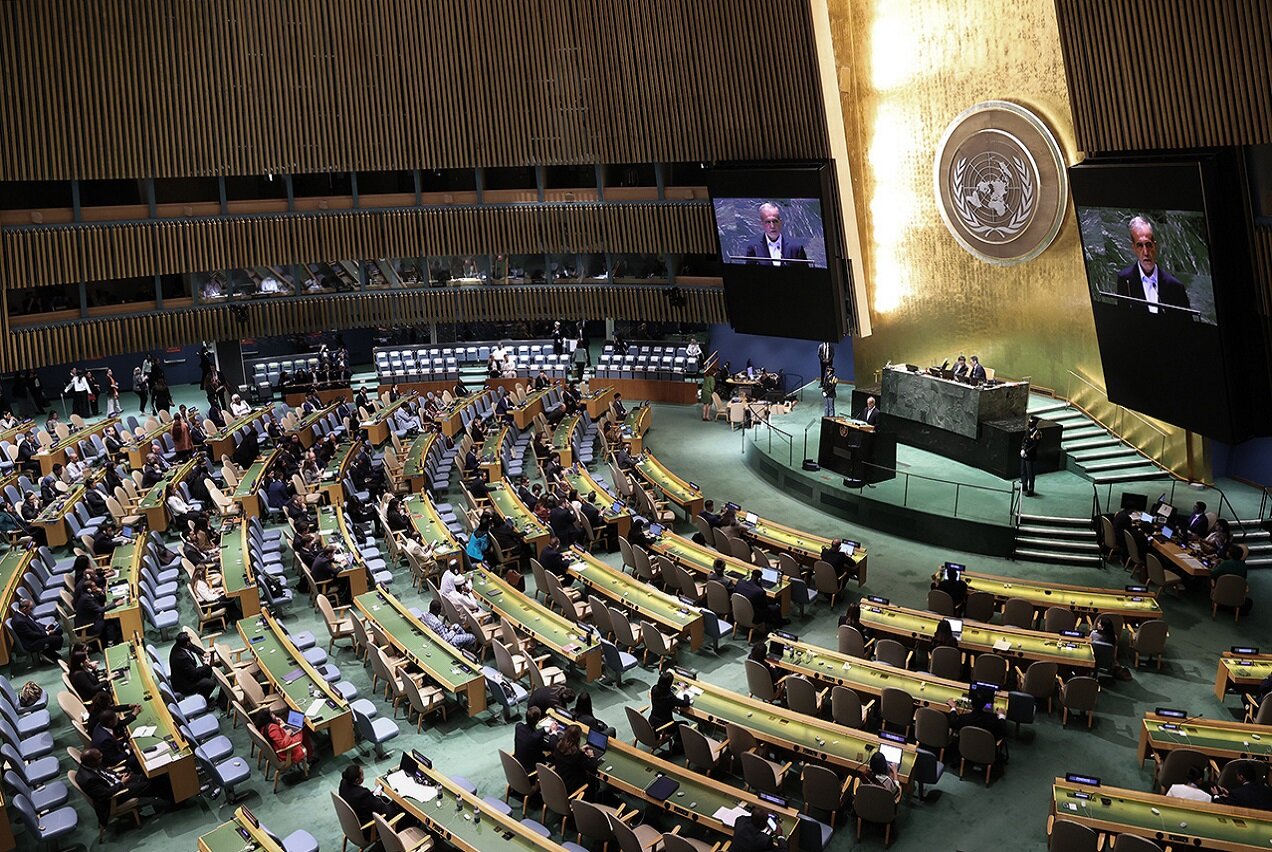
Iranian President Masuud Pezeschkian left for New York on Tuesday to attend the annual meeting of the UN General Assembly. He is scheduled to give a speech from the United Nations podium on Wednesday morning local time.
During his visit, Pezeschkian will also hold meetings and consultations with the heads of various countries and with the Secretary-General of the United Nations Antonio Guterres. Additionally, he will be taking part in think tanks, forums, and sessions with Iranian expatriates residing in the US.
Iran’s 14th administration president travels to the United Nations headquarters in Manhattan, New York, where annual meetings of leaders from 193 member states are being held. It is expected that a considerable amount of attention will be focused on him and his speech to the General Assembly. Pezeschkian’s presence at the United Nations aims to inspire global equations and introduce “smart manipulation of diplomacy” to highlight Iran’s rationality and authority on the international stage.
The trip is considered part of Iran’s active diplomacy in the global arena and follows the tradition of the president’s participation in the UN summit, dating back to the administration of the late President Mohammad Ali Rajay. The annual general meeting session, held in the third week of September, is considered the world’s largest and most important political event. This could be an opportunity to project the country’s ancient identity, emphasizing the country’s rationality, the pursuit of peace, and a dignified logic that addresses major global issues.
One of the UN’s six major organs, the UN General Assembly, is holding its 80th session this year. The event was convened on the theme of “Over 80 Years for Peace, Development and Human Rights” and will be attended by leaders and delegations from all 193 UN member states at the organizational headquarters in New York from September 22-28.
Masoud Pezeshkian is making his second trip to the UN General Assembly, marking his 24th visit to the UN since the Islamic Revolution. The first Iranian president to attend the general meeting was Ayatollah Seiyed Ali Khamenei, who spoke to the Forum as president in 1987. His speech was described as impactful and decisive, and there was such a widespread revelation from Iran from Iran in anger in the midst of his thoughts.
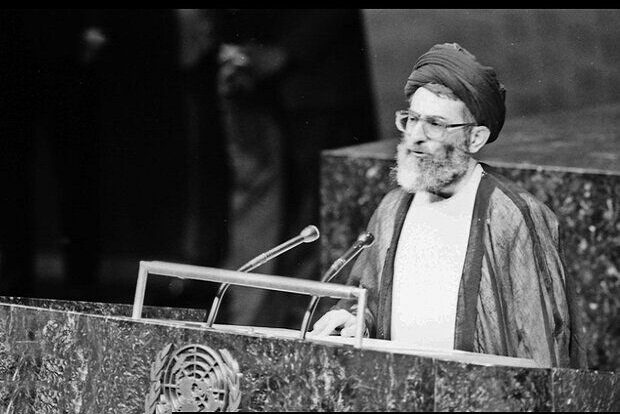
In his speech, Ayatollah Khamenei said, “I came from Iran, one of the most known revolutions of modern times, to be the most famous. A revolution based on the religion of God, following the path of the prophets and the great God reformer.
A few years ago, in 1980, Prime Minister Mohammad Ali Rajay traveled to the UN Security Council amid Iran’s invasion and gave a speech during Aborassan Banisadr’s presidency. But the trip was not for the summit of the annual leaders’ general meeting, nor was it the president’s ability.
Following the appearance of Ayatollah Khamenei, Iran’s successive presidents spoke to the UN General Assembly: Mohammad Katami three times in 1991, 1998, 2000 and 2001, Mahmad Ahmadinejad was president for eight years (except Hasan Rouhani’s years) and Ebrahim Reishi twice in 2022 and 2023.
Pezeschkian also traveled to New York last year shortly after taking office, giving a UN speech as the 14th administration president. This year’s trip is based on a particularly sensitive situation as Iran and the region face significant developments in recent months following the Israeli attack. On June 13, Israeli airstrikes in Iran sparked a 12-day war, with a firm response from Tehran. Furthermore, the US and Israel (two nuclear forces) have played a role in attacks on Iran’s peaceful nuclear facilities, increasing tensions across the region. The Israeli regime subsequently attacked Qatar, further violating international law.
Iran continues to reaffirm its commitment to the Nuclear Non-Proliferation Treaty (NPT) and recently signed an agreement with Egypt’s International Atomic Energy Agency (IAEA), but the European troika has promoted a “snapback” mechanism despite not supporting its obligations under the 2015 nuclear trade (JCPOA). Under the most severe and unprecedented sanctions in history, Iran maintains compliance with its commitments under the JCPOA in exchange for mutual action.
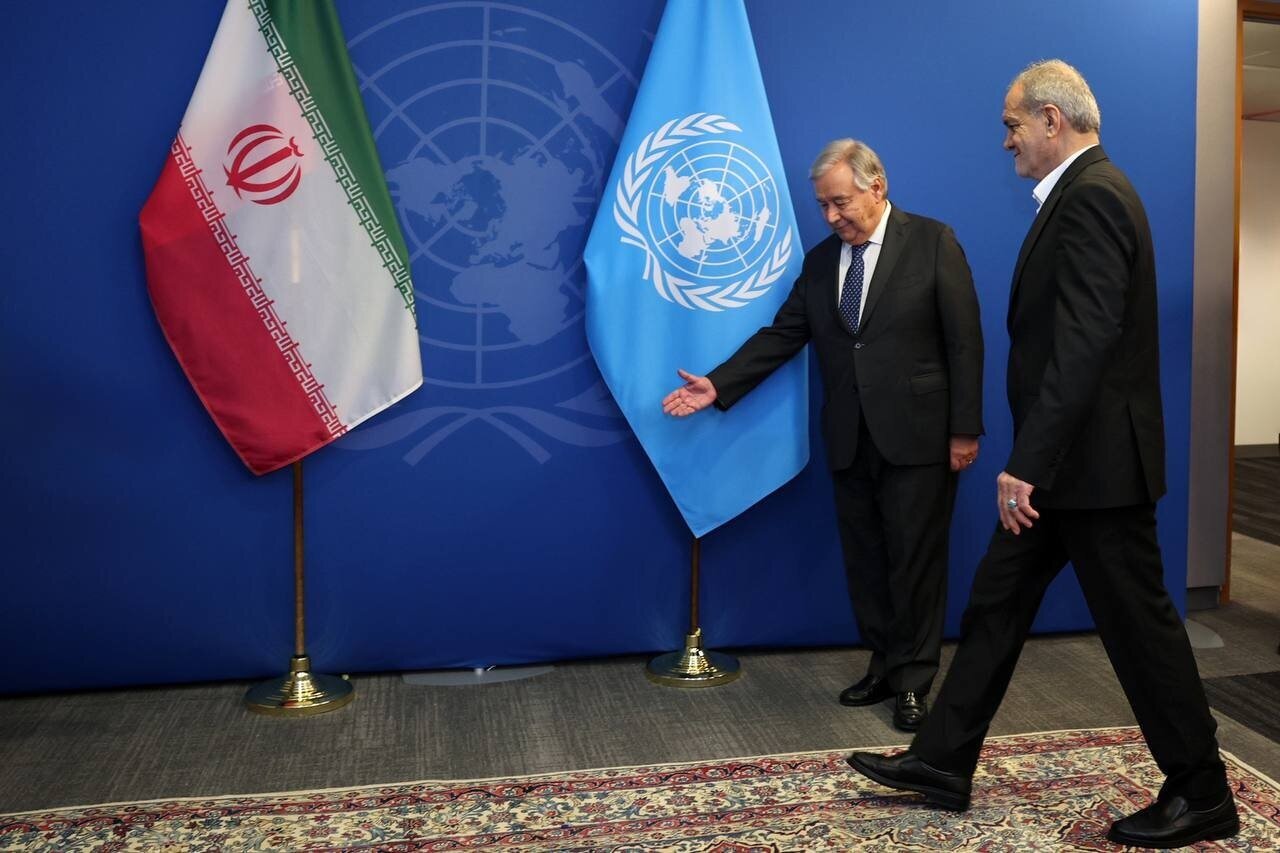
Pezeschkian’s visit to the United Nations can be seen as the most important political and diplomatic event of the year, and can be said to be closely watched by the media and global observers.
This is while Tehran acknowledges that it cannot solve Western challenges with simple recommendations, particularly after indirect consultations with Washington this year, which collapsed amid Israeli-US military strikes. Authorities argue that the West is seeking hegemony and unilateral control of regions that contradict the principles of the Islamic Revolution.
At the same time, Iran aims to use all diplomatic opportunities to improve the political situation and promote the lifting of sanctions. Iranian policymakers are skeptical of what is called “hypocritical gestures” by Western officials in public about peace and justice, but they emphasize the need to expand their relationship with members of the SCO, BRICS and Global South. They also highlight the possibility of cooperation with Islamic and Arab countries, including Pakistan, Egypt, Turkey, Iraq and others.
Iran owns key cards to leverage its dialogue with the West. These include the resilience and indigenous nature of its nuclear industry, the social cohesion that emerged during the 12-day conflict with Israel, the country’s high defensive capabilities, the strategic relationships with eastern powers, the expertise of Iranian elites, the economic resilience under sanctions, and the ancient depths of Iran’s cultural and civilized depths. These factors play an important role in neutralizing the snapback mechanism and advancing Iran’s diplomatic agenda.
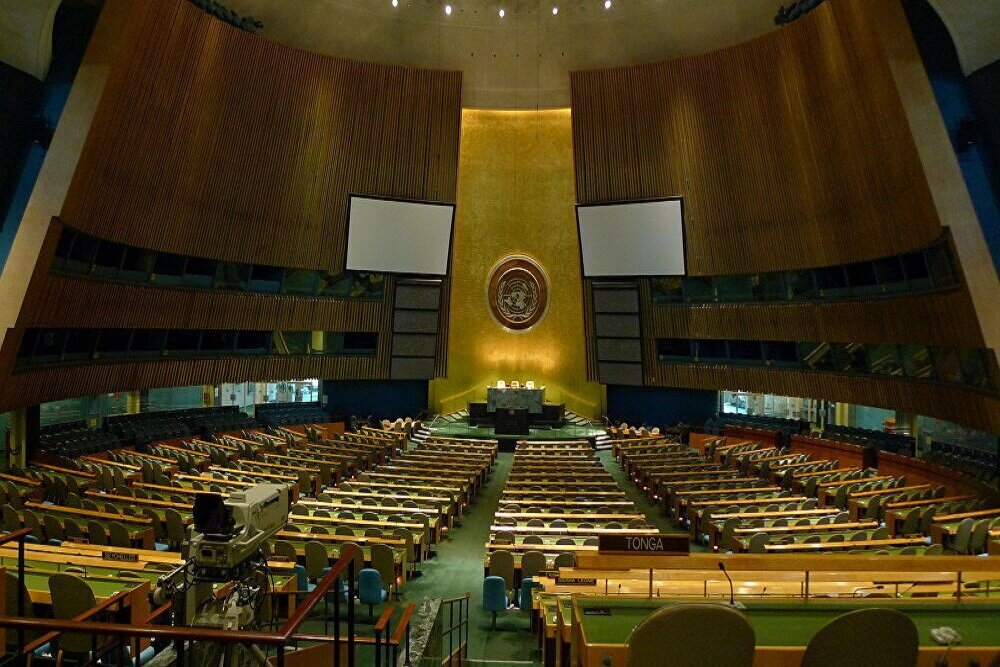
The United Nations, in particular the General Assembly, was one of the most important areas for conflict, dialogue and diplomacy between nations. For Iran, the international body is not only a place to present its official status, but also a stage that introduces its soft power and diplomatic capabilities. Through active participation in negotiations, speeches and multilateral consultations, Iranian representatives aim to influence global public opinion, present a true image of the country’s foreign policy, and at the same time send strategic messages to the centres of great powers and global impact.
At the same time, Iran’s presence in New York provides Tehran with the opportunity to engage with a variety of countries and organizations on the sidelines of conferences. Such interactions help to reduce pressure, open new channels of cooperation, and highlight Iran’s regional and global roles. In this sense, the United Nations serves not only as an international organization, but also as a platform for projecting Iran’s diplomatic strength, strategic intelligence and ability to shape international calculations.
MNA/