
The World Tourism Organization (UN Tourism) is a specialized agency of the United Nations focused on responsible, sustainable and accessible tourism.
United Nations Tourism Organization, in collaboration with its 160 Member States, six Associate Members and more than 500 Associate Members, aims to position tourism as a key driver of economic growth, inclusive development and environmental sustainability.
One of its initiatives, the Best Tourism Villages program, recognizes regional tourism destinations that have certified cultural and natural assets, uphold community-based values, and demonstrate a clear commitment to innovation and sustainability across economic, social and environmental dimensions.
Recently, 52 villages across all regions received this award, including Africa, the Americas, Asia, Europe, and the Middle East. The villages were selected from more than 270 applications submitted by 65 United Nations Tourism Member States.
In an exciting announcement from Beijing, the United Nations World Tourism Organization (UNT) has officially recognized three Iranian villages (Kanderous, Shafiabad and Soheili) as part of the world’s best tourism villages in 2025.
This prestigious award celebrates places that offer extraordinary experiences while preserving their natural beauty, cultural heritage and local community spirit.
Travel across Iran to discover these three hidden gems.
Kanderous: a green paradise in northern Iran
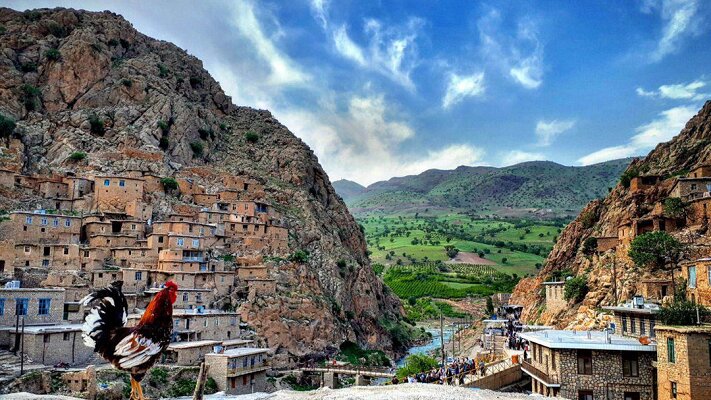
Nestled on the slopes of the Alborz Mountains and surrounded by ancient Hyrcanian forests, the village of Candelos in northern Mazandaran province is a lush, hidden gem.
Imagine stepping into a living painting of vibrant culture, traditional music, and unique architecture that has been cherished for centuries.
What makes Candelas so special is its beautiful harmony with nature. You’ll see terraced fields climbing the hillsides, a fascinating anthropological museum showcasing local life, and houses built using local natural materials.
This village is a perfect model of how people can live in a sustainable and beautiful relationship with the environment. Its worldwide recognition is a testament to the vibrant and living culture of northern Iran.
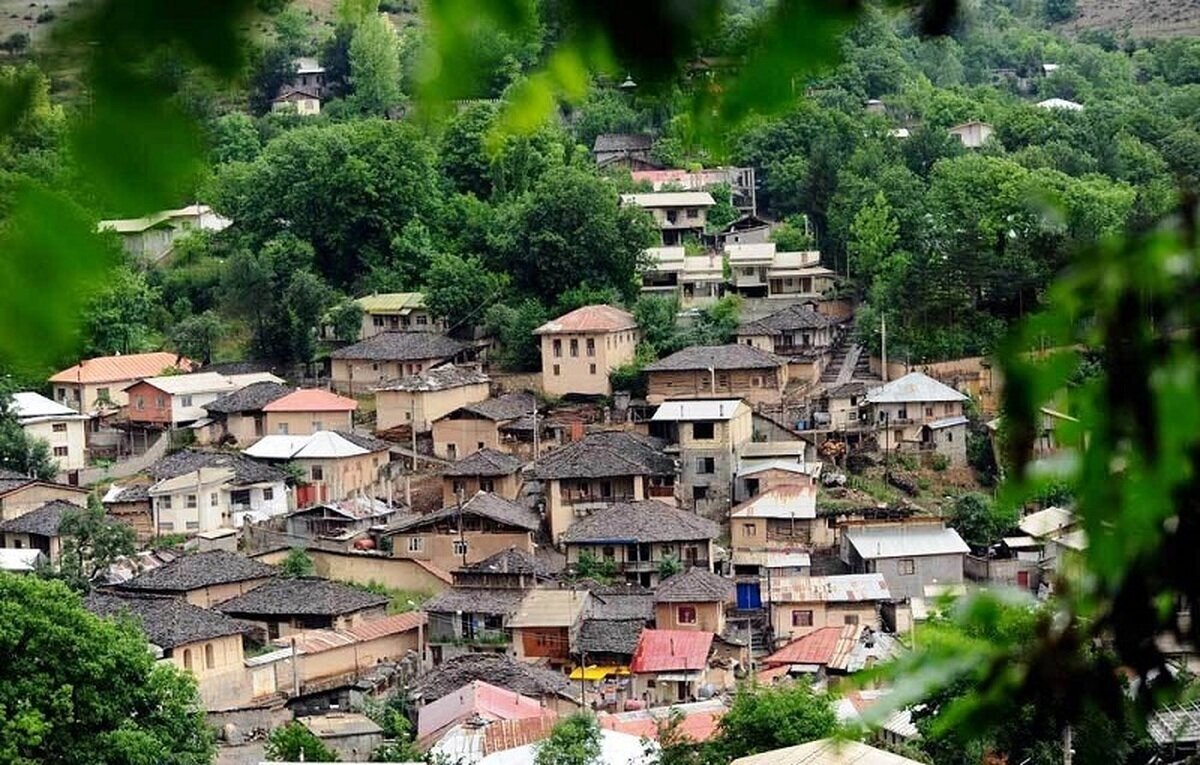
Nicknamed “Paradise Lost,” Candelas is famous for its well-preserved country architecture, characterized by timber-framed windows, stone alleys, and gabled roofs.
The village has a museum specializing in antiques and medicinal plants, and grows more than 250 species of rare herbs.
The Khandelos Museum of Anthropology, founded by Aliasgar Jahangiri, is a highlight, with over 8,000 artifacts on display, including pottery, manuscripts, and agricultural tools.
The museum records rural traditions and has contributed to the preservation of the region’s traditional medicinal plant knowledge.
Soheili: A shining star in the Persian Gulf
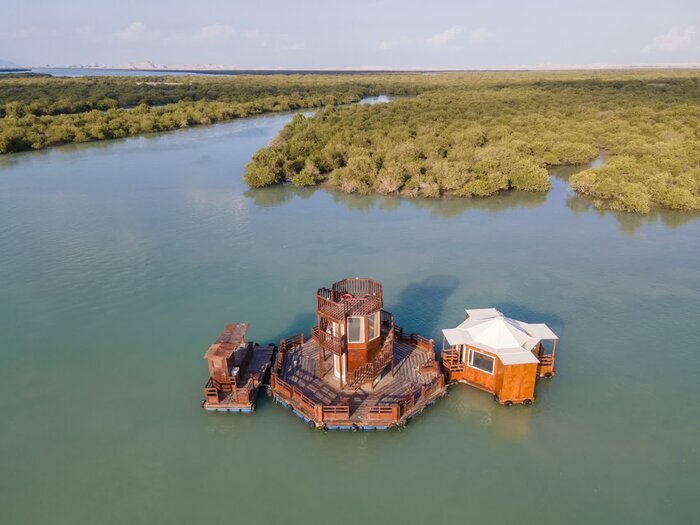
Situated along the Persian Gulf, Soheili is more than just a coastal village, it is a living showcase of sustainable rural tourism where nature, culture and community-driven development come together in rare harmony.
Soheili village is located on Qeshm Island, the southernmost tip of Iran. This is a world defined by the ocean. Soheili is the gateway to tranquil mangrove forests, peaceful wetlands, and a community whose rhythm of life is determined by the ebb and flow of the tides.

Here, local people, especially women and youth, are pioneers in environmental protection. They use quiet, eco-friendly boats, build eco-friendly wooden houses, and run beautiful handicraft workshops inspired by the sea.
A visit to Soheili is more than just witnessing the wonders of the Persian Gulf. It’s a moving lesson about responsible living and the warm maritime culture of southern Iran.
Shafiabad: the desert jewel of Iran’s heart

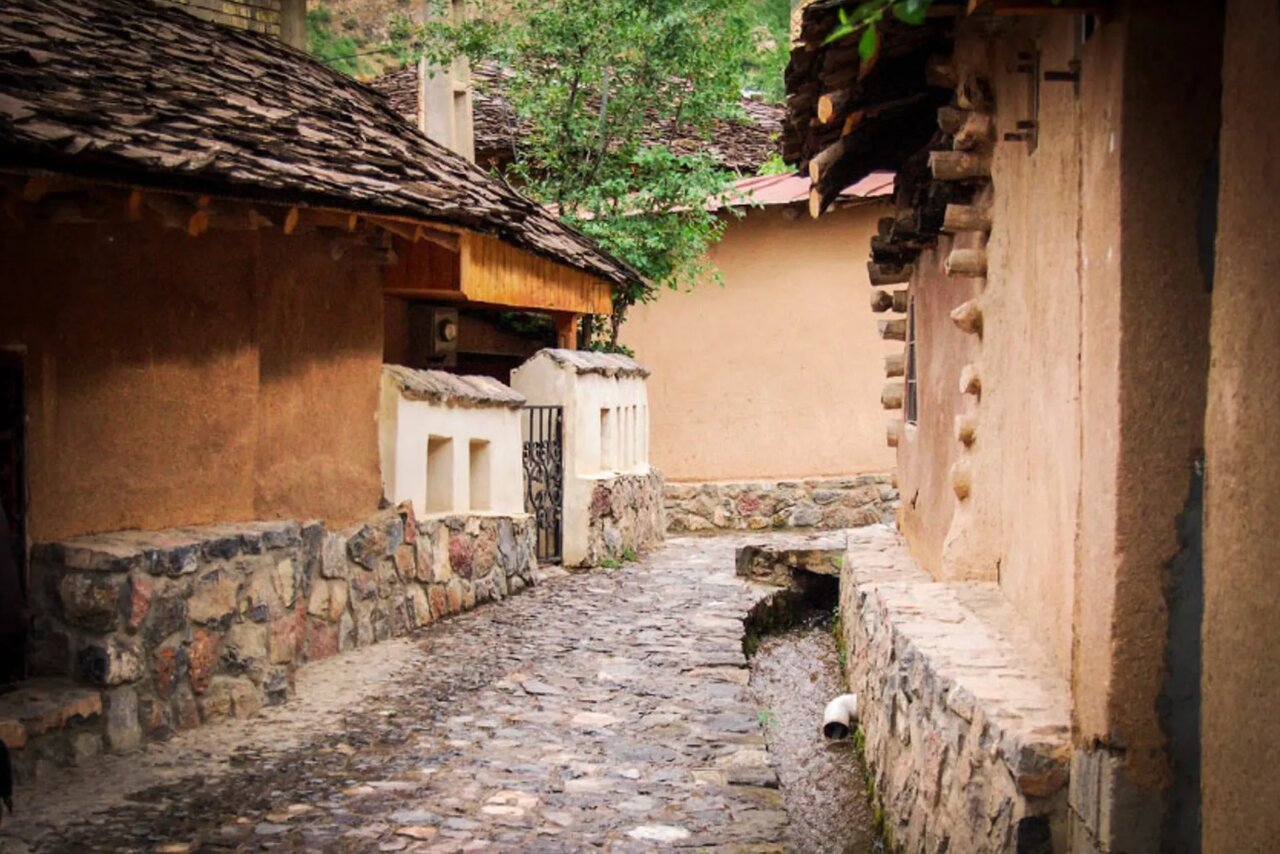
On the edge of the vast Lut desert near Kerman, the village of Shafiabad emerges like a golden treasure. With adobe houses and ancient underground waterways (known as qanat), this village is a remarkable example of human ingenuity that thrives in a harsh climate.
Shafiabad shows the world how to build a civilization in harmony with the desert. Local women have played an important role in reviving traditional crafts and local products and creating a stable economy for their communities.

For travelers, it offers the magic of desert trekking under the vast skies. Its worldwide reputation symbolizes the amazing ability of its people to create a prosperous life in perfect harmony with nature in the heart of arid land.
The inclusion of these three distinct villages highlights Iran’s incredible diversity, from misty northern forests and coastal mangrove gems to awe-inspiring desert landscapes, proving that unforgettable and sustainable travel experiences can be found in every corner of the country.
The United Nations Tourism Organization’s assessment of Khanderous, Soheili and Shafiabad highlights Iran’s diverse appeal as a meaningful travel destination.
These villages showcase the tapestry of Iran’s ecological and cultural heritage, from the Hyrcanian Forest to the Persian Gulf and the Rut Desert.
Their successes demonstrate how community-led initiatives like anthropological conservation in Khandelous, women-led ecotourism in Soheili, and desert ingenuity in Shafiabad are building resilient local economies in harmony with the environment.
This recognition puts Iran on the itineraries of conscious travelers and proves that authentic, sustainable experiences are thriving in rural communities. The world is invited to discover a country where tourism promotes conservation, inclusivity and cross-cultural connections, village by village.
Report by Tohid Mahmoodpour