
TEHRAN – On the second anniversary of Operation Al-Aqsa Storm on October 7, Hamas issued a verdict-like statement denounced what was called “embarrassing international silence and accomplice, an unprecedented abandonment of Arabs.”
These words are more than just rhetoric within Gaza. They are political diagnoses provided by a society that has been bombarded, starved, and repeatedly displaced.
The statement is about to do more than remember the martial artist. It denies the regional rulers and global powers trading Palestinian dignity for stability and trade while Gaza burns.
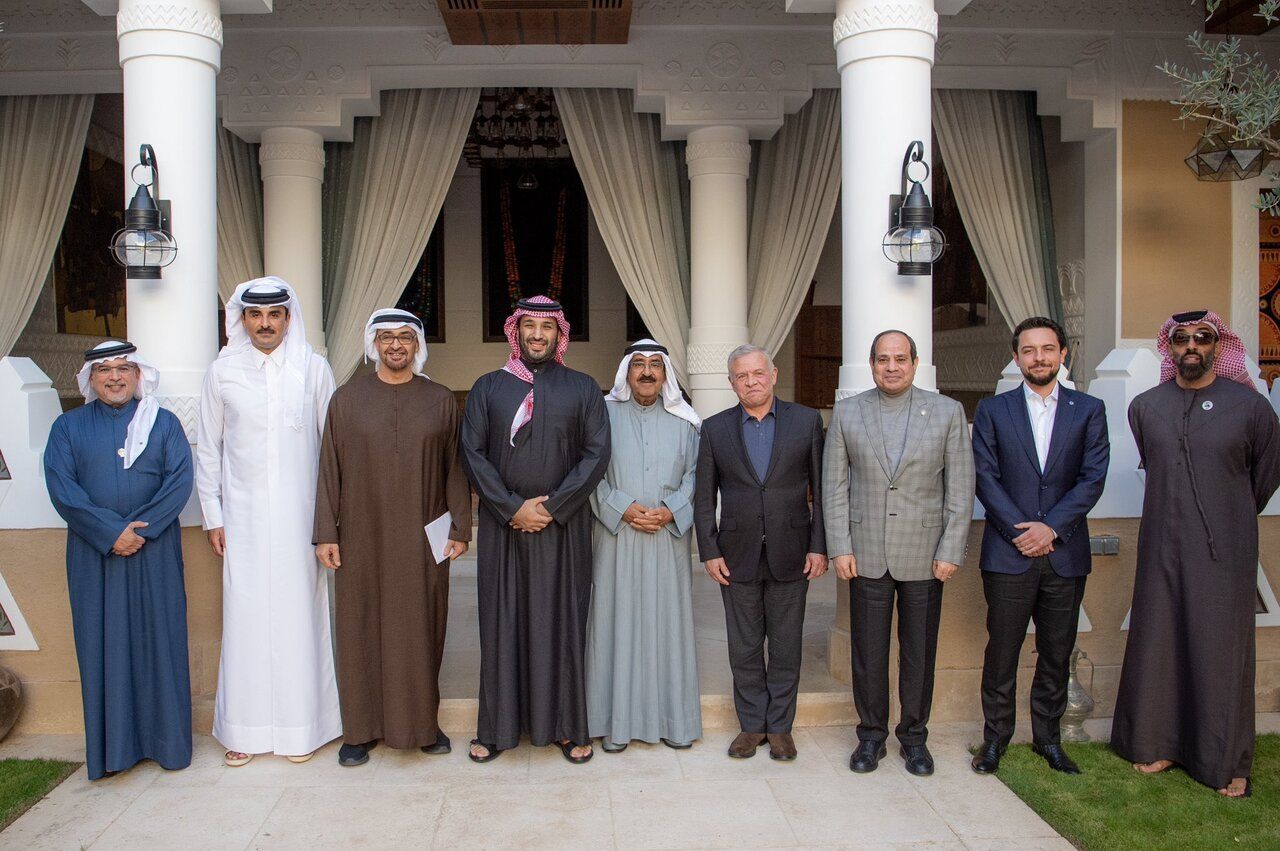
“Arab abandonment” points to the burst of expectations, as Hamas constitutes it. For generations, Palestinians had hoped that the Arab capital would translate public solidarity into political leverage.
Instead, normalized transactions, large trade partnerships, and security alignments rewired the incentives.
The economic ties between Israel and its Arab partners have grown into the core of practical cooperation, costing punitive diplomacy for these states.
Arab barometer polling indicates that normalization support has collapsed in most parts of the region. Even if the government doesn’t, popular anger still exists.
Policy selection shows abandonment. In July 2025, the Arab League will be removed from Gaza governance, prompting a postwar horizon where Hamas will disarm. In Gaza, this declaration was criticized for watching someone who will change their fate.
At home, several Arab governments have criminalized or cracked down on protests and solidarity actions that once helped to build diplomatic pressure. Activists and civic groups report detention and restrictions in Congress.
Meanwhile, the famous global Samud fleet, made up of European activists who bravely confronted the sea to provide assistance and register solidarity, was intercepted and blocked, but its symbolic rebellion created more global pressure than the sky statements issued by the Arab states.
The contrast is harsh. Foreign activists put Israeli drone strikes and prison cell phones in danger, but the Arab government suppressed its population and prevented them from marching, protesting or sending humanitarian convoys.
When you look at the Ansarlah in Yemen, the contrast is even more surprising. The Arab government shared intelligence news with the US and Israel to promote a strike in Yemen, but Ansarra opened a new front in solidarity with Gaza, targeting Israel-linked transport despite enormous risks and launched missile and drone strikes in Israel.
Even as Israel spread its attacks on Yemen, killing civilians and officials, and spreading waste into infrastructure, the US bombing under both Biden and Trump failed to neutralize the group’s capabilities.
Here is the paradox: Besieged under constant airstrikes, the Yemeni movement shows greater preparations to act for Gaza than wealthy Arab countries.
Such an alignment coincides with the steady support of Washington, a key alliance in the Arab world, and continues to provide Israel with weapons, intelligence and diplomatic cover.
Furthermore, episodes of the so-called Trump Peace Project crystallized the political bystanders Hamas describes.
Hamas Senior Appearance said it had not been discussed before the White House announced its 20-point proposal. Reports showed that Israeli leaders shaped a key compilation and Hamas was effectively presented with a sealed deal to accept or reject under pressure.
Optics were harsh for Palestinians who had not given up even after almost a century of resisting colonialism and confiscation. Plans that will bring great consequences for the future of Gaza governance and resistance have been forged around them, not them.
This is why an anniversary reservation for “fudo” is important. As peaceful channels, regional leverage, and political inclusion shrink, resistance – political and social – fills the vacuum.
For Palestinians, this is not just a choice, but a need born out of exclusion. The October 7th message, repeated two years later, is that the struggle continues not because it is easy, but because all the other doors are closed.
And here is the challenge to the Arab world and the international community. The cost of silence and abandonment is already written in the ruins of Gaza, a graveyard for more than 67,000 souls.
Whether local leaders regain the cause or continue to trade it, the Palestinians have made it clear that they will endure – rooted in their lands, carrying their martyrs, continuing to lock their eyes to Al Aksa.
Two years later, that discontinued resolution is a true response to betrayal, and the deepest warning that the Palestinian story is not over yet.