
Tehran – Since launching the war with Gaza in October 2023, Israel has sought a systematic campaign that silences the media and obscures the reality of what many observers call the genocide of the besieged enclave.
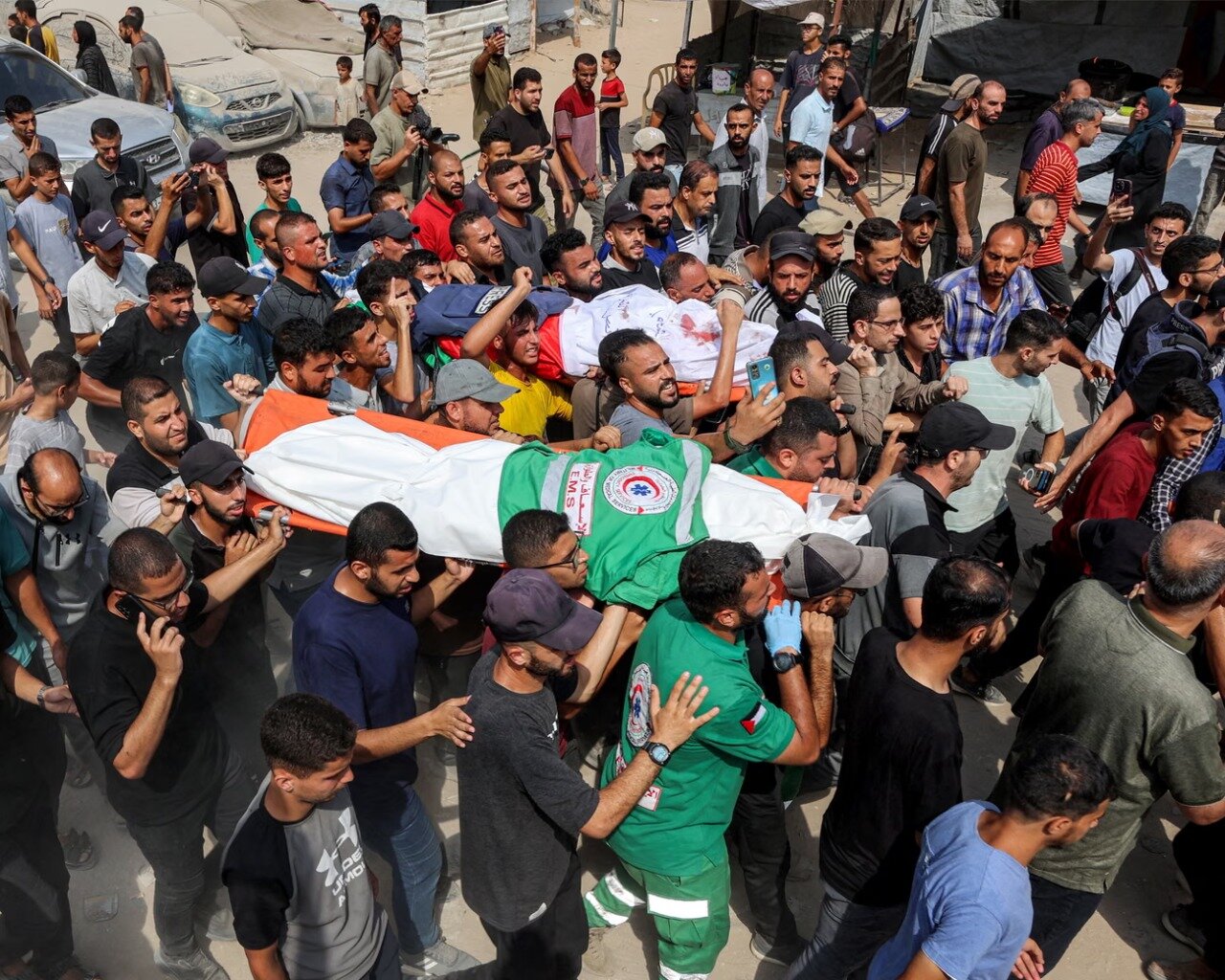
The latest escalation took place late Sunday when an Israeli strike targeted journalist tents outside Al-Sifa Hospital in Gaza, killing five members of Qatar-based Al-Jazeira Media Network.
Gaza authorities have reported that nearly 270 journalists and media workers have been killed since October 2023, making this the most fatal conflict ever recorded for media workers. Journalists in the northern part of the country, particularly in the world, documenting hunger, mass displacement, and civilian destruction, serving as the eyes and ears.
The killing comes amid preparations to expand Israeli military operations, seize Gaza city and drive away nearly a million Palestinians. By targeting reporters, Israel is trying to erase evidence of its actions and prevent fresh reporting of atrocities, according to many journalists.
Global outrage from the press community
Journalists around the world have accused Israel of killing five journalists in Gaza in an interview with the Tehran Times. From Bulgaria, Dr. Tania Grovcheva, international director of the Duma newspaper, accused the murders of being “shameful” and accused Israel of claiming that journalists are “disguised terrorists” to justify their deaths. “Free speech is becoming a myth,” she said.

Lucia Hubinska, a lecturer, activist, commentator and publicist at Slovak University, described Gaza as “a war zone with almost entirely international media without the media” due to the systematic exclusion of Israel. “By 2025, the average belongs to 13 journalists killed each month, which has become the most fatal conflict ever recorded for media workers,” she said. “It’s genocide. It’s the intentional elimination of people, their history, and even those who take every risk they witness.”
Mozika Pais Mika, from Slovenian, called the killing “a blatant attack on freedom of the press and a desperate effort to silence the truth about (Israel) genocide campaign.”
From Indonesia, Mario Pascal emphasized that “the murder of five journalists in Gaza is a serious violation of international law… such actions weaken freedom of the press and prevent the public from obtaining accurate information.”
Malaysian editor Joseph Cole warned that even one journalist called “a too much already” and called such an act “equal to committing a war crime.”
Oblesser Palladino, Brazilian reporter Guillerma, called the murder “another clear example of the current Israeli government’s genocimmerian thinking,” urging global solidarity with the Palestinians.
“Gaza is not a ‘humanitarian crisis’,” Argentine journalist Silvina Pachelo said. It’s genocide…silence and indifference are accomplices. ”
Russian journalist Maxim Natchinov said such attacks could not be justified by military logic, but Kazakhstan’s Ilyas Mashanro warned that death was a “tragedy for the freedom of speech not only for family but also around the world.”
From Pakistan, Haseeb ur Rehman called the “severe and tragic illustration” of Israel’s violation of international humanitarian law, urging the international community to “hold Israel accountable” and make the protection of journalists a “absolute priority.”
Jordanian journalist Maen Salam Albelbese described the killing as evidence of “the message of criminal terrorism to the whole world” and “the collapse of the international values and the system of law.”

Daughter Sham and sons Sarah and Anas al Sharif
Tunisian journalist Karim Wannes has linked the attack to a broader strategy. “Like the criminal colonial regime, the Zionist enemy cannot tolerate the ongoing, intensive media coverage of its crime. In the context of this horrifying war of genocide, the assassination of martyr journalists is expected and logical.”
Bangladeshi reporter MD Sheiral Islam called the murder an “attack on the truth itself,” while Mongol journalist Is Tubusin reflected the irony of “a country where (Holocaust trauma) causes mass destruction in Gaza.”
TTT Limited journalists Danielle John and Trinidad Tobago stressed that “reporter freedom and protection of journalists are essential to democracy and human rights.” St. Lucian’s journalist Casey Jason has accused the attack of human rights violations and “suppressing the Palestinian suffering narrative.”
Jamaican senior journalist Dwayne Anderson summed up the sadness of the profession. “In this way, journalists are more necessary than ever to convey the truth of the atrocities to the world. Instead, they are cut off. That’s painful.”
The murder of a journalist in Gaza is not a war accident. It is part of a calculated effort to eliminate witnesses and control the story. For many journalists around the world, an attack on a colleague is not just an attack on the media, but an attack on the truth itself.