
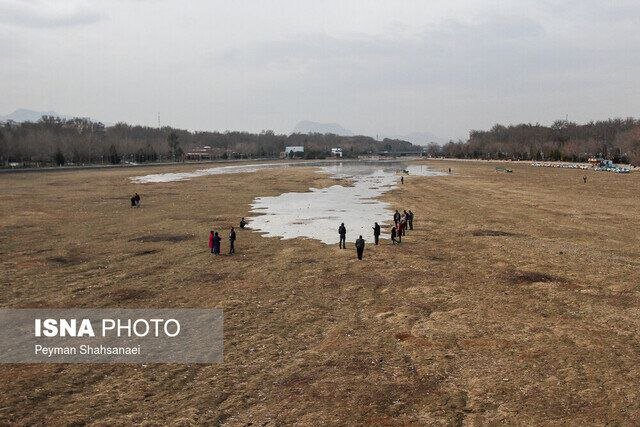
Tehran – Previous Water Year (September 22, 2024 – September 22, 2025) showed a 39.4% decline compared to the long-term figure of 234.9 mm.
Within the last week of summer, rainfall increased, and the country received 2 mm of rain. However, precipitation was less than normal throughout the year, making it unable to compensate for the rainfall deficit, Isna reported.
During the last month of summer, 4.1 mm of rainfall was registered nationwide, a 2.5% decrease compared to the long-term figure of 4.2 mm.
Throughout the summer, recorded rainfall reached 8 mm, a 27.9% decrease compared to the long-term figure of 11.1 mm.
Rainfall in all states is less than normal. Sistan-Baluchestan and Hormozgan states record the lowest rainfall receiving 72.5% and 70.2% less rain than usual, respectively.
Tehran is one of the provinces where precipitation has significantly reduced. The long-term average rainfall in Tehran is 280.4 mm, but the previous water only received an average of 144.2 mm, indicating a 48.6% reduction.
Official statistics show that groundwater levels and dam storage have declined significantly, with more water stress in densely populated areas being more experienced than ever, threatening water safety, increasing the likelihood of land subsidence, and increasing drought.
Iran is facing an unprecedented water crisis that threatens not only the agricultural sector but also regional stability and global food markets. Over the past decade, rivers have been shrinking, dams are under stress, and groundwater reserves are depleted faster than they can naturally recover. This rarity affects daily life, industrial activities and the geopolitical position of the country.
Scale of the problem
Iran’s water resources are under severe tension. Major rivers such as Zayandeh Rud and Karun are putting dramatic reductions in flow, ecosystems and local agriculture at risk.
With almost 90% of freshwater allocated to agriculture, lower water availability has resulted in increased crop failure, reduced arable land and reliance on imported foods.
Cities including Tehran, Isfahan and Shiraz face intermittent water rationing, affecting households, industries and critical services. Iran shares several river basins with its neighboring countries, and water shortages are a concern for the region.
Though tensions are rising over shared resources, Iran’s increasing dependence on food imports puts pressure on international markets and affects prices and supply chains beyond the Middle East.
Government response and public concerns
Authorities are implementing measures such as dam projects, water relocation initiatives and incentives for water-efficient irrigation. However, these efforts are often uneven or inadequate. Public protests, particularly in southern states, highlight the urgency and social impact of the crisis.
Sustainable Solution Opportunities
Experts argue that Iran must adopt integrated water resource management, invest in modern irrigation, and plan agriculture based on water availability and climate forecasts. Cooperation with neighboring countries could prevent cross-border tensions and create a framework for sustainable resource sharing.
The Iranian water crisis is more than a domestic challenge: it is a test of governance, resilience and diplomacy. Effective management today can stabilize the economy, secure food supply and strengthen Iran’s role as a regional leader.
In contrast, failure risks increased mobility, economic disruption, and increased local tensions. The next few years will determine whether Iran will turn this crisis into an opportunity for innovation and cooperation, or whether it can escalate into a multifaceted disaster.
mt/mg