
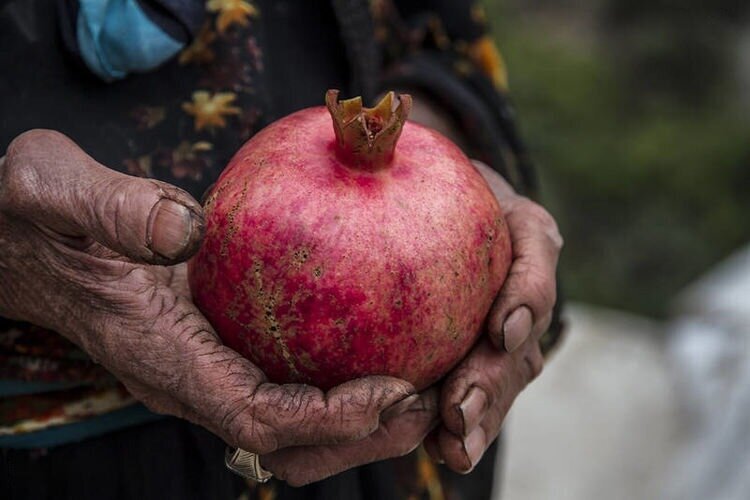
If you visit Iran in autumn, you’ll notice that every greengrocer’s store is ablaze with red and gold. This is the season for a special fruit among other fruits, the pomegranate, or as it is affectionately called in Persian, ‘Anar’.
As the air cools, pomegranate harvest festivals are held across the country, especially in regions such as Sabeh, Yazd, Shiraz, Kashan, Qazvin, Ahvaz, and Jolfa, which are well known for their distinctive varieties of this fruit. In fact, pomegranates are more than just a fruit to Iranians; they are a story, a symbol, and a celebration. Now is the time to pay homage to this ruby treasure through fairs, local music, and fun gatherings.
Some say they are a feast for the eyes and soul.
For foreign tourists, strolling through traditional bazaars during this season is a sensory delight. Vendors slice pomegranates to extract the jewel-like seeds, and farmers proudly tell stories of their centuries-old cultivation. Every time we open a store, we feel connected to the people of Iran, the land, and this timeless fruit that has inspired poets, painters, chefs, and more.
Symbol of fertility, abundance and rebirth
In general, pomegranates are deeply embedded in Iranian life and identity. For generations, it has been a symbol of fertility, abundance and rebirth, appearing at weddings, festive tables and religious ceremonies. Nowhere is its importance more beautifully expressed than at Yalda Night, an ancient Persian festival celebrating the longest night of the year. This night is now a UNESCO World Heritage Site. During those long nights, the family stays up until dawn, reading poetry and eating watermelon, nuts, and, of course, reddish pomegranates.
Travelers who visit the country during this event will find Yalda Night to be a truly magical experience. Yalda Night is a living tradition where poetry, stories and food come together under candlelight and laughter.
Fruits that inspired Persian poetry and art
Few fruits have had as profound an impact on Persian culture as the pomegranate. In the poems of legendary poets like Hafez and Sadi, its reddish seeds become a symbol of love and passion, beauty and mystery. In some cases, the act of opening a pomegranate, which reveals thousands of hidden gems, is likened to the discovery of truth and the unraveling of the human heart.
Even in the world of art, pomegranates bloom for centuries. Persian miniature paintings often depict fruit in lush gardens or wedding scenes, but in ancient mosaics and modern designs alike, fruit represents vitality, fertility, and joy. Its elegant shape is often seen by tourists visiting museums and art galleries across Iran. This is a quiet reminder of how nature and imagination meet in Persian creativity.
Please try the taste!
To truly understand the place of pomegranate in the lives of Iranians, you have to taste it. From home kitchens to royal tables, ānār has added richness, color, and seasoning to Iranian cuisine for thousands of years.
The most famous of these dishes is fesenjan, a luxurious stew made from ground walnuts and pomegranate molasses. Slow-cooked to perfection, it develops a deep harmony of tangy sweetness and nuttiness, and is traditionally served with chicken or duck.
In this country, especially in cities near the Caspian Sea, you can try zeitoun parvarde, a bright appetizer made with olives, pomegranate seeds, walnuts, and herbs. A delicious blend of sour, sweet and savory, expressing the freshness of the region.
Beyond these classics, pomegranates are used in everything from rice dishes to refreshing drinks and desserts. Whether you sip on a juice at a street food stall or savor it in a home-cooked stew, each bite tells a story of Iranian tradition, hospitality and heart.
iranian handicraft pomegranate
The beauty of pomegranates isn’t just limited to the kitchen. Its round shape and ruby red color have inspired Iranian artisans for centuries. Its influence can be seen everywhere, from pottery workshops in Kashan to carpet looms in Isfahan to jewelry stores in Tabriz.
In Persian pottery, artists paint or carve delicate pomegranate motifs on plates and vases, combining elegance and symbolic meaning. Pomegranate patterns are repeated in hand-woven carpets and textiles, symbolizing fertility and good fortune. Also, in traditional jewelry, craftsmen create pendants in the shape of fruits. This is a small treasure that conveys the cultural soul of Iran.
Visitors looking for authentic souvenirs may find that these artifacts offer more than beauty. A tangible connection to the country’s artistic spirit and timeless traditions.
For travelers, following the footsteps of pomegranates across Iran, from harvest festivals in the countryside to pomegranate-inspired dishes at friends’ homes and restaurants, can be an unforgettable cultural journey.
Some believe that the story of Iran’s pomegranate is in many ways the story of Iran itself. It’s rich, layered, and filled with color.
morning