
Philanthropy has long been an integral part of Iranian society, deeply rooted in centuries-old traditions of community support and social responsibility. From religious donations to local initiatives, Iranians have historically valued helping those in need, especially through community gatherings and public events.
In modern-day Iran, this spirit of generosity is vividly expressed in events such as the Diplomat Women’s Charity Bazaar, where women from diplomatic families and local communities come together to organize, manage, and lead initiatives. By bridging cultures and opening doors to international participation, these events not only support humanitarian causes, but also highlight the essential role of women as organizers, cultural ambassadors, and civil society leaders.
Now in its 15th year, the bazaar embodies this tradition. Women take the lead in planning and executing events, coordinating with foreign embassies, and ensuring all proceeds go to meaningful charitable projects. Their research shows how women’s leadership can build an influential platform for cultural exchange, social support, and global friendships.

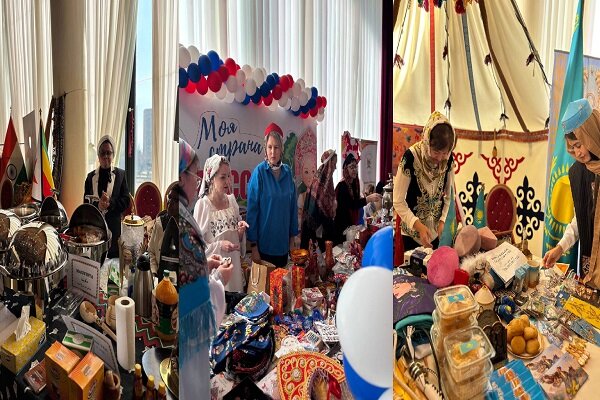
The 15th annual charity bazaar of the Iranian Ministry of Foreign Affairs’ Diplomatic Women’s Association opened on Tuesday, attracting diplomats, artisans and tourists from all over Tehran. The event, held at the Diplomatic Club of the Ministry of Foreign Affairs, was opened by the association’s president, Parry Sadat Araghchi (Ravasani), and the wife of Iran’s foreign minister, Arez Ahmadvand.
More than 10 foreign embassies and Iranian artisans and brands will be participating in this year’s bazaar, displaying handicrafts, clothing, jewelry and more.
The event, which is entirely sponsored by the association, offers discounted booths to Iranian female heads of households, with all proceeds going to charity. Past donations have supported hospitals, families in need, and non-governmental organizations across the country.

Mrs. Yaji, the association’s treasurer, spoke about the importance of the event, stressing that the bazaar not only highlights Iranian craftsmanship, but also serves as a platform for humanitarian aid. “All funds raised from booth rentals and sales will be donated to charities, including hospitals and families in need of financial assistance,” she told Mare news agency. “We also provide interest-free loans to families in urgent need, with repayments recycled to fund further philanthropy.”
Visitors to the bazaar can explore a wide variety of cultural exhibits and specialties from around the world. Participating countries include Russia, China, India, Pakistan, Kazakhstan, Burkina Faso, Thailand, Sudan, Zimbabwe and Romania. Each booth offers a glimpse into the country’s unique artistic traditions, handicrafts and local flavours, providing a rare opportunity to experience world cultures all in one place.

International participation adds a unique dimension to the event. In an interview with Mr. Mehr, Chargé d’Affaires of the Embassy of the Russian Federation in Tehran, Rafael Gevorkyan, reflected on the historical and cultural relations between the two countries, focusing on the centuries-old exchange of arts and crafts. He emphasized that the embassy sells traditional Russian items and donates the proceeds to local charities. “This event reflects the spirit of cooperation and philanthropy that our community shares,” he said.

Malaysian Ambassador to Tehran, Khairy Omar, praised the bazaar as an opportunity for cultural exchange and public participation. “This is not just for diplomatic personnel. Anyone with time can enjoy this event, explore different things and appreciate cultural specialties from multiple countries,” he said.
According to organizers, the bazaar has grown into a unique cultural and humanitarian platform that fosters international dialogue, supports artisans and highlights Iran’s rich artistic heritage. Visitors will be able to experience the intersection of craftsmanship, culture and philanthropy through a variety of exhibits, while participating embassies will demonstrate the role of cultural diplomacy in promoting mutual understanding.
The bazaar will run until November 21, offering visitors the opportunity to experience diverse cultures, support worthy causes, and witness the collaborative spirit of Tehran’s diplomatic community.

The dedicated efforts of these women organizers demonstrate how culture, philanthropy, and diplomacy can intersect to create meaningful social impact. Each sale, each donation, and each cultural exchange conveys the message that generosity and cooperation remain central to Iran’s social fabric.
As visitors wander through colorful stalls, taste cuisine from around the world and take part in cultural exhibits, they become more than just a market, they experience a celebration of humanity, friendship and the transformative power of women-led initiatives. The Bazaar is a testament to how one event can combine tradition, philanthropy, and international diplomacy into a shared space of learning, giving, and connection.
Reported by Mohadese Pakhravan