
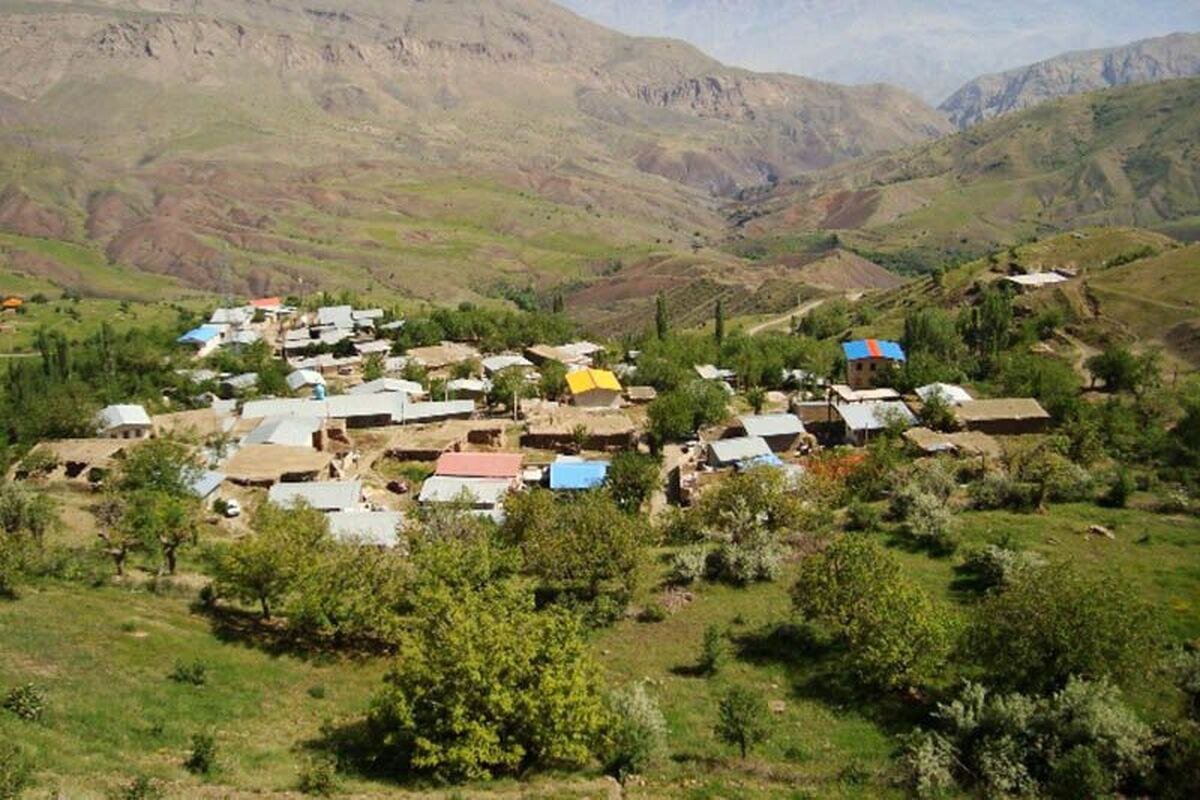
Tehran – Declared by the United Nations General Assembly as World Rural Development Day, July 6 highlights the important role of rural communities in agricultural development, food security and ecological management, calling for empowerment through access to land, decent work and inclusion in decision-making.
Reaffirms the General Assembly’s unwavering commitment to the 2030 agenda for sustainable development.
The declaration is deeply ingrained in the spirit of international solidarity, recognizing the deep-rooted challenges of rural poverty and the need to address it as a prerequisite for achieving broader goals of economic, social and environmental sustainability.
The solutions drawn from the lineage of global declarations and resolutions, from the universal declaration of human rights to Addis Ababa’s Action Agenda, are seeking to shine a lasting light on life and struggle to the soil, harvest the oceans and grow lands on the corners of the world’s countryside.
At its heart, the resolution faces poverty, hunger, and the disproportionate burden supported by rural communities, particularly women, indigenous peoples and young people.
By supporting traditional knowledge, gender equity, and integrated approaches to rural development that incorporate digital inclusion, the resolution envisions a future in which rural prosperity is no longer an elusive ideal, but a shared global outcome.
As outlined, adherence to the world’s rural development day is intended not as a mere ritual gesture, but as a catalyst for meaningful behavior. Governments, civil society, international organizations and academic institutions are invited to participate in the annual anniversary through concrete activities, policy dialogues and grassroots initiatives.
Rural Empowerment – Global Impact is a motto that emphasizes that strengthening and strengthening the power of rural communities contributes to global goals such as economic growth, sustainability, food security and eradication of poverty.
With a clear emphasis on voluntary contributions and locally-led strategies, the resolution today commissions the power to raise the voice of rural areas, promote development efforts, and renew the collective promises of the world.
Rural development is not just about geography, but about poverty, equity, food security and sustainability. Here’s why it’s important: 80% of the world’s poorest people live in rural areas, earning less than $2.15 a day.
Over a billion people face sharp, multidimensional poverty. More than half are children (UNDP 2024). Half of the rural population has no health insurance (22% in urban areas). Family Farms produce 80% of the world’s food (FAO).
Women make up 43% of agricultural workers, but face barriers to land, credit and technology. Rural areas sit at the forefront of the climate and withstand droughts, floods and extreme heat. In 2024, 83% of urban residents used the internet, while 50% in rural areas.
With less than five years left to realize the vision of the sustainable development goals, the path to the future remains uncertain and full of vulnerabilities. With this narrow window of opportunity, the World Rural Development Day is more than the calendar date. It is a global calculation, a strict pause to reflect and respond. They call on the international community to ensure that often overlooked and underserved rural communities are not only remembered, but also firmly placed at the heart of sustainable progress.
Strengthen the power of rural communities
In February, Zahra Behrouz-Azar’s vice president of women and family affairs said strengthening the power of rural communities is a prerequisite for the country’s economic and cultural development.
Referring to the differences in the concepts of villages and communities, officials said, “Economic activities in rural areas include agriculture, animal care, crafts and natural resources.
However, communities have a broader concept, including a wider group of people, not just in rural areas, but also in urban areas, nomads, and even digital communities. Communities rely on sharing social interactions, traditions, beliefs and relationships. ”
Authorities made their remarks on video conferences, dealing with the event “empowering universities, social responsibility and local communities,” Mehr News Agency reported.
In villages, the development of agricultural infrastructure, animal care, health and education are fundamental needs, and issues such as cultural maintenance, fostering social interactions, and strengthening support networks are important in local communities.
Referring to the fact that only 30% of the country’s population lives in villages, Behrouz-Azar said that the withdrawal of rural areas loses a significant proportion of cultural heritage, art, language and lifestyle.
This is because officials play an important role in leveraging knowledge and modern technology in universities and education centers to address current challenges in rural communities, increasing productivity, improving the quality of life of farmers, especially women farmers, and empowering rural communities.
Rural Development
Villagers and nomadic people play important roles in Iran’s political, economic and social development. Therefore, October 7 was declared in 2013 as the National Day of Villages and Nomads.
Despite their small population, they have made a significant contribution to the overall national development.
The oil, industry and services sectors hold a significant share of the national economy, but rural and nomadic economies are considered as the nation’s inexhaustible sources compared to the exhausting natural resources.
They live far from pollution and current urban issues and are less dependent on oil resources, and play an important role in sustainable development.
Villagers and nomads lead the way in providing food, food security and healthy food production.
They play a major role in the tourism and craft industry, and are the source of many cultures and traditions in the country that play an important role in ensuring the security of the country, especially at borders and remote locations.
Approximately 25% of the country’s population lives in villages and produces about 70% of the food in the domestic market.
Currently, over 90% of agricultural products and foods are produced in villages. Approximately 25% of the country’s meat products and 35% of the handicrafts, as well as the majority of organic dairy products, including vegetable oils, milk, curds and other ingredients, are produced by nomadic people.
In fact, rural economies are not limited to agriculture. This includes a variety of industries such as handicrafts, creative industries, clothing, processing industries, food, medicinal plants, carpentry, furniture, tourism, ecotourism, fishing, carpets, rugs, and dried fruits.
The Iranian Parliament approved a total of 31 trillion rials (approximately $34 million) for rural development in the budget bill for the Iranian calendar year (March 2023) in 1401 (March 2023).
By allocating this budget, the overall credit for the comprehensive development plan will reach 42 trillion rials (approximately $45 million), said Akbarnikzad, head of the Housing Foundation, in June 2022.
The comprehensive development plan aims to develop rural areas in line with cultural, economic and social conditions, and to improve housing provision and environmental services for rural residents.
mt/mg